FG Plans £12B High-Speed Railway from Lagos to Maiduguri
The Federal Government announces a £12 billion high-speed rail project linking Lagos to Maiduguri at 360km/h. Discover how this will reshape Nigerian travel.



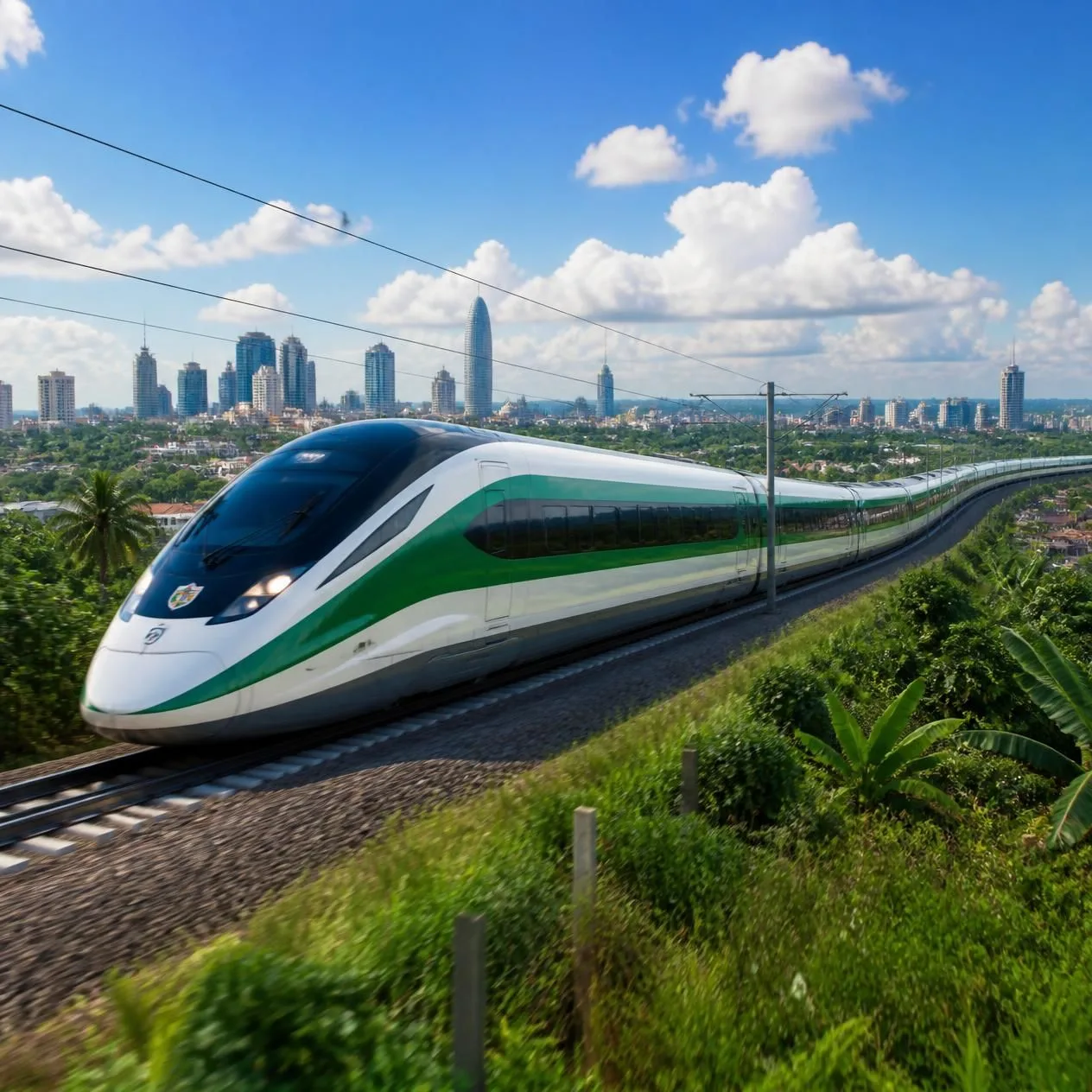
The Federal Government just laid out its most ambitious infrastructure blueprint yet. A £12 billion high-speed railway connecting Lagos to Maiduguri is officially on the drawing board, and it promises to fundamentally change how Nigerians travel across the country.
If you frequently endure grueling two-day bus rides from the South-West to the North-East, this development sounds like a dream. But the Ministry of Transportation says it is entirely serious about making it reality.
During the 19th National Council on Transportation in Abuja on Monday, Olufunso Adebiyi, the Permanent Secretary of the Ministry of Transportation, broke the news. He revealed that the proposed rail line will accommodate trains hitting speeds of up to 360 kilometres per hour. Imagine boarding a train in Lagos and arriving in Maiduguri in just a few hours.
Why Focus on High-Speed Rail Now?
Nigeria relies heavily on its road networks for both passenger travel and heavy freight. That overdependence creates severe bottlenecks, spikes maintenance costs, and leads to fatal accidents. When seasonal issues hit - like the recent Lagdo Dam water release and flood alert - entire road networks wash away, paralyzing interstate commerce.
Adebiyi explained that the objective is to give citizens the freedom to choose. You shouldn't be forced onto dangerous highways just to move from point A to point B.
Shifting heavy cargo to rail networks will also preserve our highways. The government is aggressively pushing rail freight and expanding inland dry ports specifically to get heavy-duty trucks off the roads.
Tech-Driven Transport and Security
Building tracks and buying fast trains isn't the whole strategy. The Federal Executive Council (FEC) also approved a Smart National Transport Data Bank. This platform will run on a design-build-finance-operate-and-transfer model.
What does this mean for everyday travelers? The database will centralize records for drivers, vehicles, and commercial operators. It even includes digital manifests for motor parks. When you couple physical transit improvements with advanced tech frameworks like those discussed at GITEX Nigeria 2026, the transport sector begins to look a lot more secure and organized.
Standardized pilot bus terminals are also getting a massive upgrade. The FEC approved six of these hubs across the country. Expect passenger information screens, mechanic workshops, security bays, and even police posts built directly into the terminals.
Economic Ripples and Job Creation
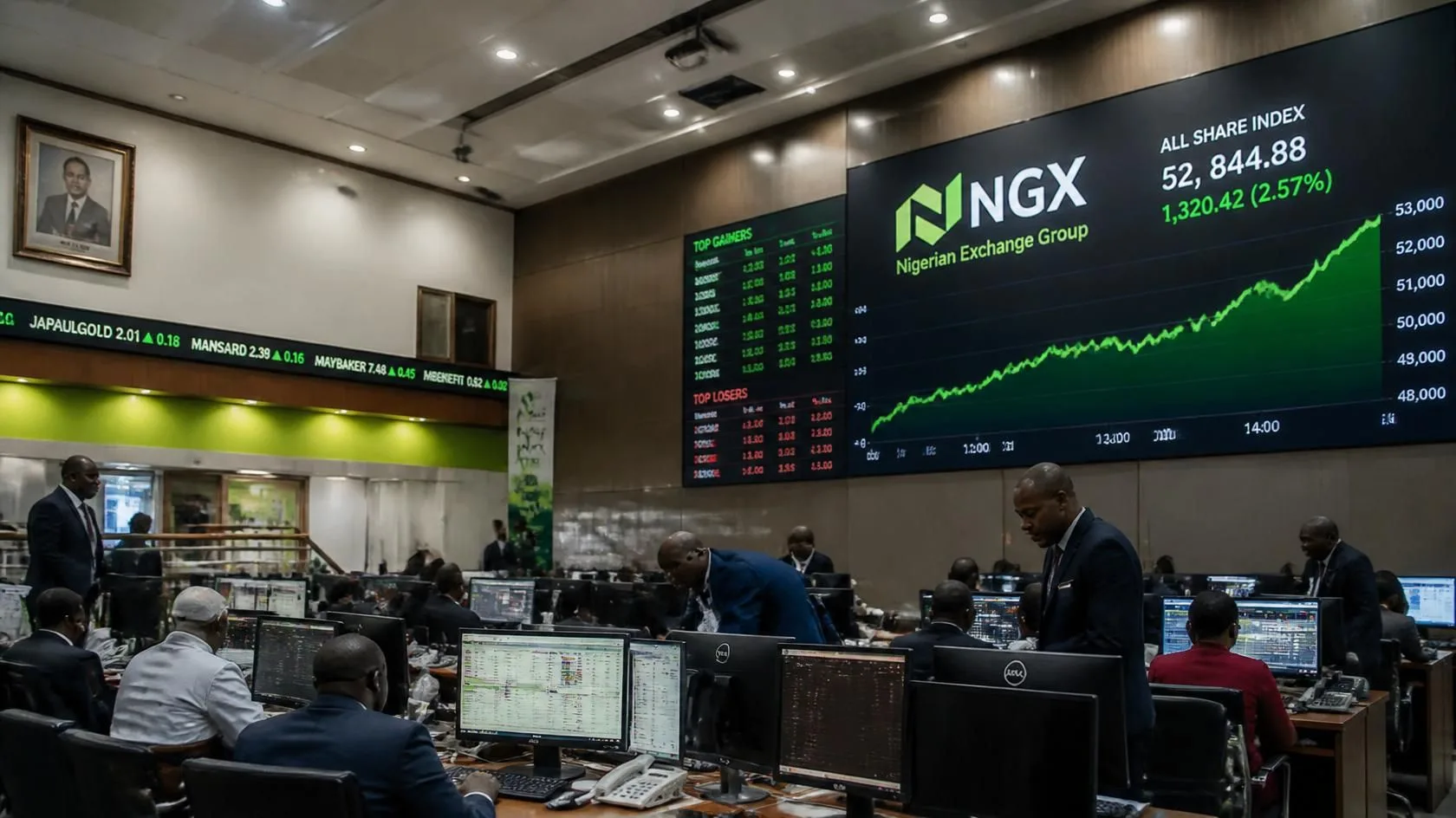
Infrastructure drives economies. We are already seeing positive movement in the financial sector, like when Nigerian stocks gained N1 trillion following a banking and oil rebound. Massive public works projects only add fuel to that kind of economic momentum.
The Permanent Secretary noted that current railway projects have already generated around 9,000 direct jobs for young Nigerians. Building a trans-national corridor from Lagos all the way to Borno State will require tens of thousands of workers, engineers, and support staff.
International observers are watching these moves closely. As global rating agencies like FTSE Russell evaluate Nigeria's market status, proving we can execute mega-projects like a £12 billion rail corridor boosts investor confidence.
Looking Ahead
We still don't have an exact commencement date for the Lagos-Maiduguri corridor. However, the government has already approved localized light rail networks for Lagos and Kano to kickstart urban mobility improvements.
While you shouldn't pack your bags for a 360km/h train ride just yet, the blueprint is finally public. For a country desperate for modern, safe, and efficient transit, this plan represents a massive step forward.
Comments (0)
Keep exploring
Related posts
 Business
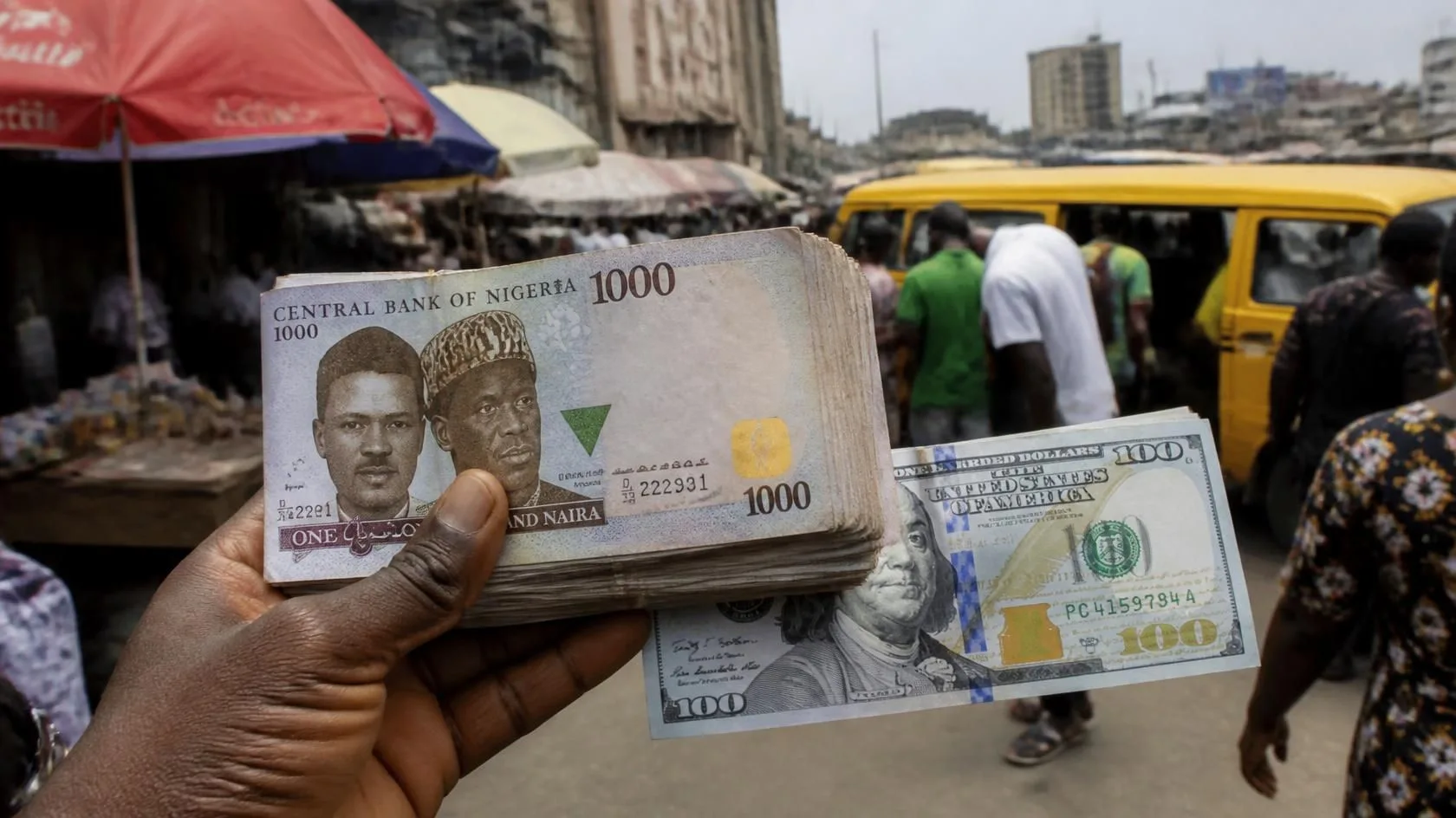
Naira Dips, Hits ₦1,382 per Dollar in Parallel Market
 Business
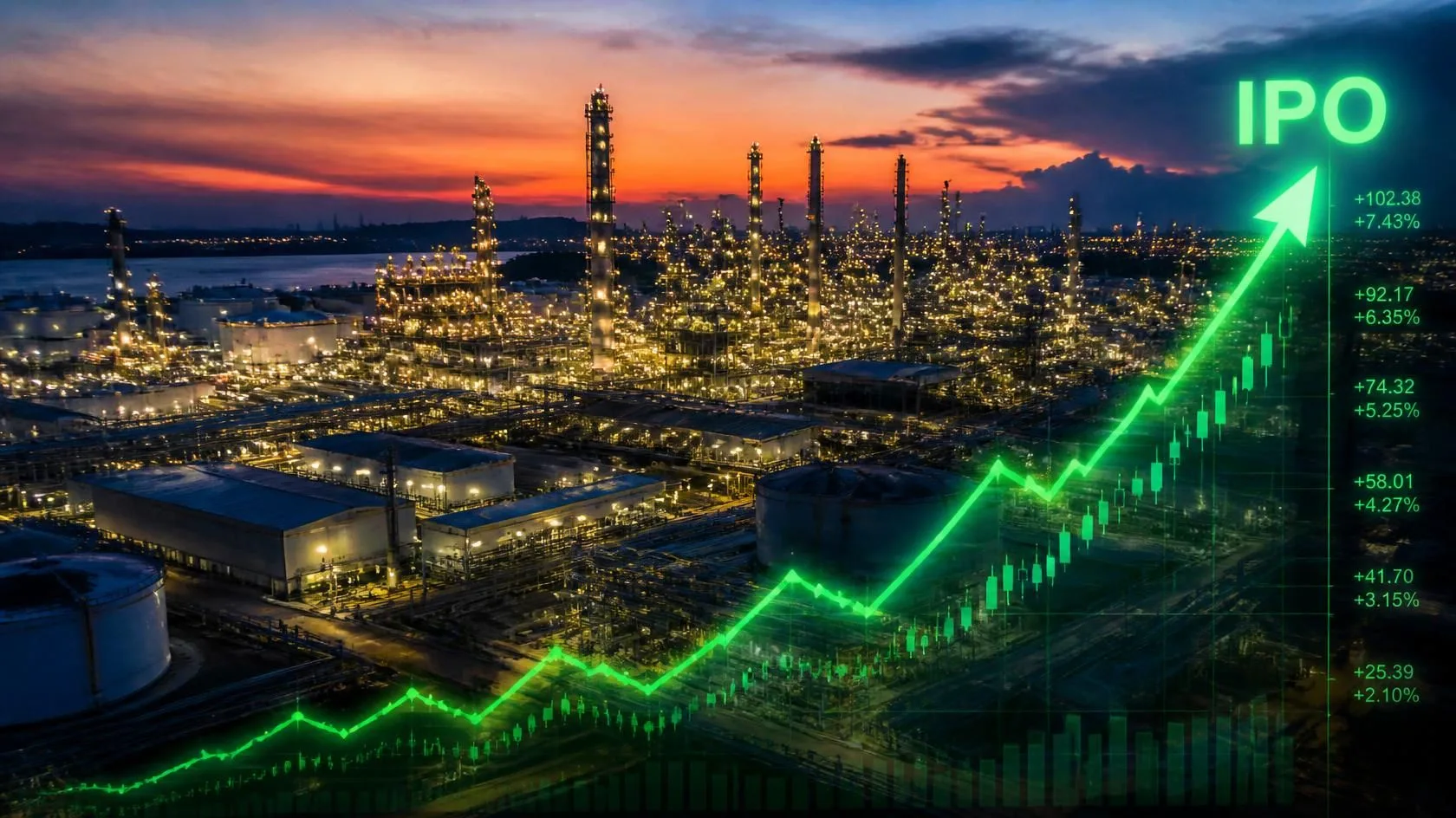
Dangote Refinery Plans $1.5 Billion IPO: What Investors Need to Know
 Business
FTSE Russell Reclassifies Nigeria to Frontier Market
 Business