
Naira Dips, Hits ₦1,382 per Dollar in Parallel Market
The naira has dipped to ₦1,382 against the US dollar in the parallel market. Discover what is driving this exchange rate shift and its economic impact.



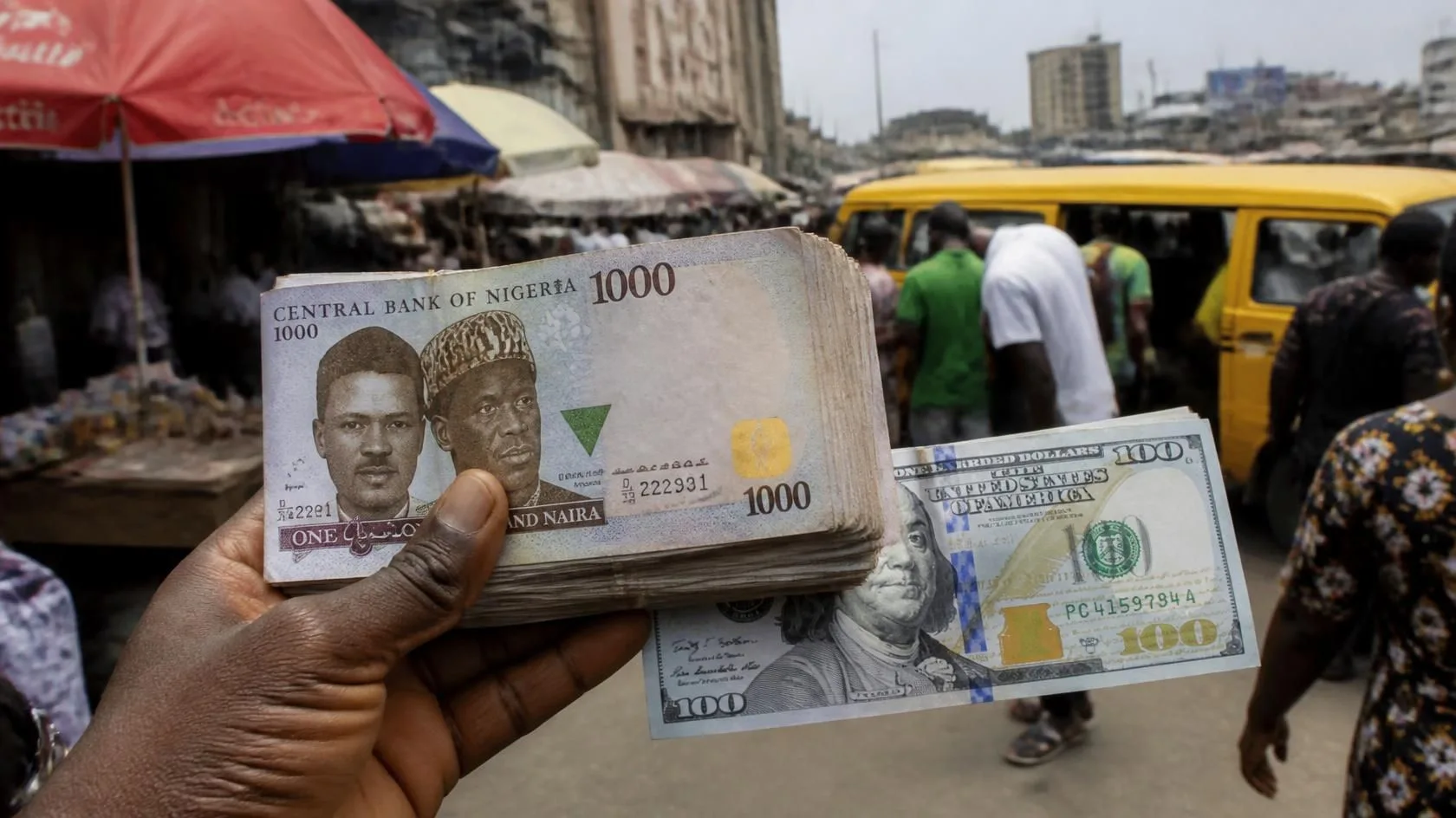
The Nigerian naira recently took another hit. It now trades at ₦1,382 against the US dollar in the parallel market. This latest dip frustrates many Nigerians who watch the exchange rates closely every day.
For weeks, currency speculators hoped for stability. The Central Bank of Nigeria (CBN) rolled out multiple policies to narrow the gap between the official and parallel markets. Despite these efforts, demand for the greenback remains incredibly high.
Why the Dollar Keeps Rising
The math is quite simple. Too many people want dollars, and there aren't enough in circulation. Importers need foreign exchange to bring in basic goods. Students studying abroad need to pay their tuition fees. Medical tourists also scramble for foreign currency.
When official banking channels cannot meet this high demand, people quickly turn to the black market. According to recent exchange rate data tracked by NgnRates.com, the naira dipped to ₦1,382 following a steady surge in demand. Traders in Lagos and Abuja report that buyers are aggressively snapping up whatever dollars they can find.
The CBN actually cleared several forex backlogs recently. They also increased dollar sales to licensed Bureau De Change operators. These moves temporarily strengthened the currency earlier this year. But those gains seem to be slipping away. The parallel market remains the only fast option for businesses that cannot wait weeks for official bank approvals.
This constant pressure keeps the exchange rate volatile. Every time the official supply shrinks, the parallel market price shoots straight up. The role of currency speculators also worsens the problem. Some rogue traders hoard dollars to create artificial scarcity. They wait for the naira to drop further before selling their stash at a massive premium.
The Everyday Economic Impact
You don't need to be a corporate importer to feel the heat. A weak naira affects everyone on the street. Prices of basic food items and electronics jump almost immediately when the dollar rises against our local currency.
For instance, many tech lovers eagerly anticipate new gadget releases. But with the current exchange rate, buying imported electronics feels like a massive luxury. Just look at the projected costs for upcoming devices. The anticipated iPhone 18 series specs and features look amazing, but the naira equivalent of its price will definitely shock many buyers.
Transportation and delivery costs also suffer heavily. While local gig workers try to make a living, high operational costs eat into their profits. Even though we hear positive stories, like the Chowdeck CEO noting that bicycle riders earn ₦100k weekly, inflation quickly reduces the real purchasing power of that money.
Is There Any Relief in Sight?
Financial experts constantly point to domestic refining as a potential game-changer. Nigeria currently spends billions of dollars importing refined petroleum products. If we start refining entirely locally, we could save massive amounts of foreign exchange.
This is exactly why many investors are closely watching the oil sector. With the Dangote Refinery IPO opening tomorrow in Nigeria, there is fresh hope on the horizon. A fully functional local refining ecosystem might significantly reduce the national demand for dollars. That development could eventually ease the brutal pressure on the naira.
Until these structural changes take deep root, the parallel market will continue to dictate everyday reality. The CBN must intensify its efforts to boost market liquidity. If the official dollar supply doesn't improve soon, the naira might face even more pressure in the coming weeks.
Comments (0)
Keep exploring
Related posts
 Business
Nigeria Shares Record ₦3.007 Trillion in July Federation Revenue
 Business
NGX Urges Major Fintechs to List on Nigerian Stock Market
 Business
Naira Strengthens as Dollar Liquidity Improves Today
 Business