Nigeria Shares Record ₦3.007 Trillion in July Federation Revenue
The Federal Government, states, and local councils shared a record ₦3.007 trillion in July 2026. Discover the key drivers behind this massive revenue increase.



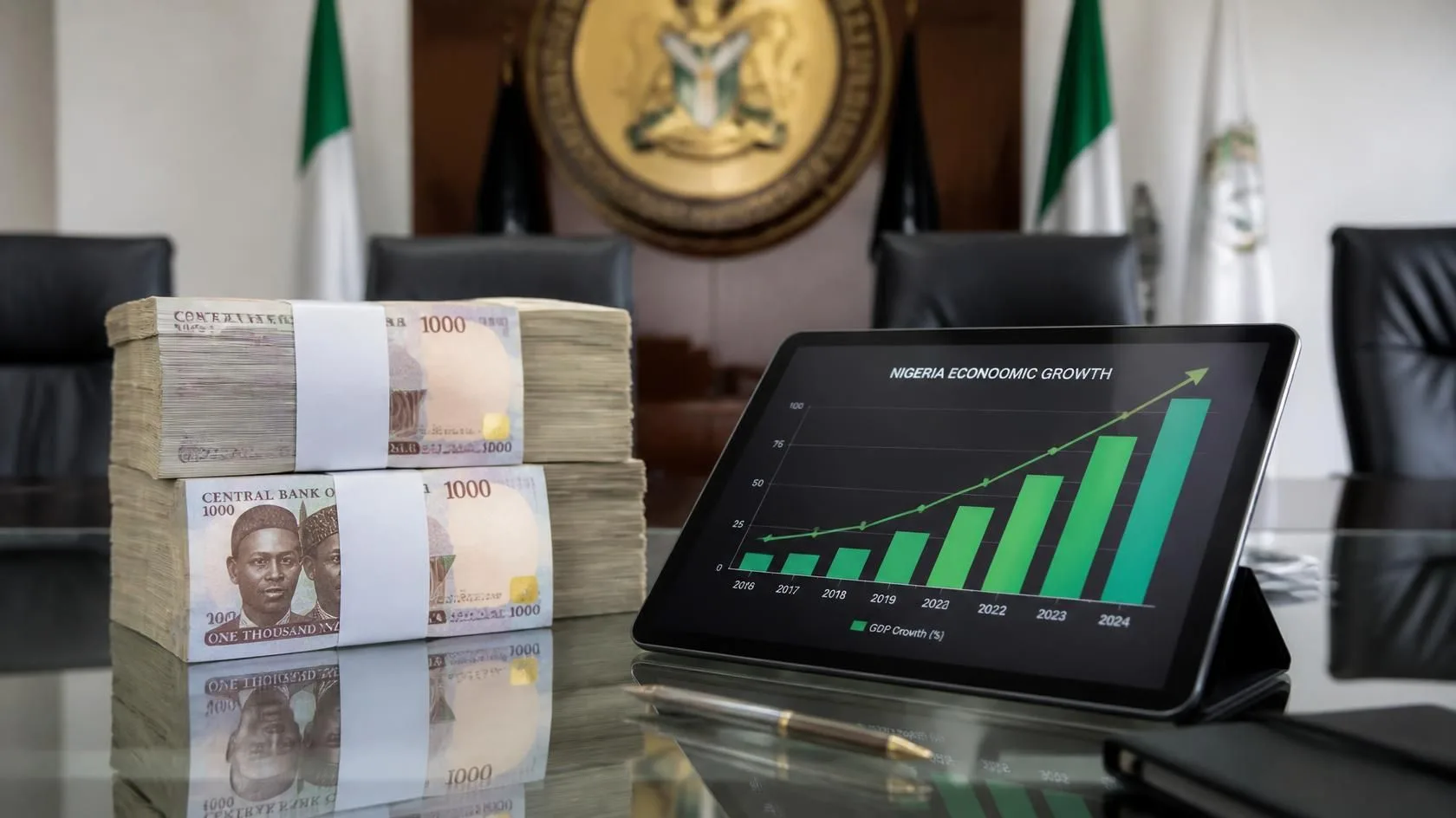
Nigeria has just recorded a massive financial milestone. The country recently shared an unprecedented amount of money. The Federal Government, states, and local councils shared ₦3.007 trillion. This revenue was distributed for the month of July 2026. Therefore, it marks the highest monthly allocation ever recorded. The Federation Account Allocation Committee (FAAC) approved this disbursement. The meeting took place in Owerri, Imo State.
The overall revenue collections increased significantly. They grew by a massive ₦658.09 billion. This increase reflects stronger economic activities nationwide. Moreover, the growth was supported by both petroleum and non-oil revenues. This financial boost comes at a crucial time. The country is currently implementing deep fiscal reforms. We will explore the details of this historic revenue sharing.
A Historic Financial Milestone for Nigeria
Sharing over three trillion Naira is truly historic. It breaks all previous records for monthly FAAC allocations. In previous months, allocations hovered around two trillion Naira. However, July brought a massive upward shift. This shows that government revenue generation is actively improving. Gross statutory revenue rose to ₦4.359 trillion in July. This is a huge leap from ₦3.700 trillion in June.
This 17.8 percent increase is highly commendable. It signals a much stronger underlying revenue base. The government is finally reaping the rewards of recent policies. For instance, the removal of petrol subsidies is playing a part. Moreover, foreign exchange reforms are also contributing heavily. When the Naira strengthens as dollar liquidity improves, national revenues stabilize. Therefore, this milestone gives hope for better economic days ahead.
Breakdown of the Statutory Revenue Increases
Where did this massive influx of money come from? Several key sectors performed exceptionally well in July. The petroleum sector naturally led the charge. Petroleum Profit Tax and Hydrocarbon Tax saw massive increases. Furthermore, Companies Income Tax also recorded huge gains. Capital Gains Tax and Stamp Duty revenues went up.
Mineral royalties and excise duties also contributed heavily. Even gas-flaring penalties brought in more money this month. These combined streams pushed the statutory revenue upward. The Director of Press and Public Relations confirmed these details. Bawa Mokwa released this information from the Office of the Accountant-General. His statements confirm a very robust financial month.
Therefore, the strategy of taxing multiple streams is working. The government is successfully capturing more value from existing industries. You can learn more about official records on the National Bureau of Statistics website.
The Slight Decline in Value Added Tax
Not every revenue stream saw an increase in July. There was a very slight dip in one major area. Gross Value Added Tax (VAT) revenue declined marginally. It dropped to ₦793.968 billion in July. In June, the VAT revenue was ₦799.746 billion. Therefore, this represents a minor decrease of 0.7 percent.
However, experts are not overly worried about this small drop. A total of almost ₦794 billion is still very strong. It shows that consumer spending remains relatively resilient month-on-month. People are still buying goods and paying for daily services. Moreover, import duties and some levies also saw slight declines.
Miscellaneous oil revenues dropped slightly as well. Yet, the massive gains in other taxes easily covered these shortfalls. Therefore, the overall federation account remained highly positive. This balance is crucial for steady national economic management.
Table: July 2026 Federation Revenue Summary
Revenue Category | June 2026 Amount | July 2026 Amount | Status |
Gross Statutory Revenue | ₦3.700 Trillion | ₦4.359 Trillion | Increased |
Total Distributed | ₦2.55 Trillion | ₦3.007 Trillion | Increased |
Value Added Tax (VAT) | ₦799.746 Billion | ₦793.968 Billion | Decreased |
Overall Increase | - | ₦658.087 Billion | Increased by 17.8% |
The Role of FAAC and NACOFED in Owerri
The August 2026 FAAC meeting was highly significant. It did not take place in Abuja as usual. Instead, the committee convened in Owerri, Imo State. This meeting happened alongside another very important event. The National Council of Federation and Economic Development (NACOFED) was ongoing.
Holding these two meetings together was a strategic choice. Finance commissioners and accountants-general gathered in one place. They discussed the broader fiscal health of the entire federation. Moreover, they brainstormed how to convert this revenue into lasting strength. Sharing money is good, but investing it wisely is better.
The committee wants to build durable fiscal resilience. Therefore, coordinating federal and state policies is absolutely necessary. FAAC emphasized this vital coordination during their Owerri session. They want to ensure everyone works towards common economic goals.
How This Impacts the Broader Economy
Injecting ₦3.007 trillion into the system has massive implications. This money goes directly to federal, state, and local governments. They use these funds to pay workers and build infrastructure. Therefore, this allocation directly impacts the daily lives of citizens. When civil servants get paid on time, local markets thrive.
More money in the system means more economic activity. State governments can finally resume stalled road and hospital projects. Local councils can improve basic sanitation and rural healthcare. Moreover, this financial injection helps stabilize the national economy.
It complements other massive industrial movements happening right now. For example, the Dangote Refinery secures $1bn underwriting for mega IPO. Huge private investments and strong public revenues create a healthy economy. Therefore, July's allocation is a very positive economic indicator.
The Importance of Remittance Discipline
Generating revenue is only one half of the battle. The other half is ensuring the money reaches the government account. This is known as remittance discipline. The FAAC committee is taking this issue very seriously. They plan to work closely with all revenue-generating agencies.
They want to close any existing collection gaps immediately. Every single Naira owed to the federation must be collected. Bawa Mokwa reaffirmed FAAC's strict commitment to transparency. All collectable revenues must be remitted fully and on time.
Furthermore, a massive accounts reconciliation exercise is being planned. This will help expose any hidden funds or accounting errors. Therefore, ministries, departments, and agencies must improve their financial discipline. Strict accountability is the only way to sustain this revenue growth.
Diversifying the Revenue Base Beyond Crude Oil
Oil has always been Nigeria's main source of income. However, the world is rapidly changing its energy habits. Therefore, Nigeria must urgently diversify its primary revenue base. FAAC strongly stressed this need during their recent Owerri meeting.
We cannot rely solely on petroleum profits forever. The ongoing tax administration reforms are a step in the right direction. We must expand non-oil revenue mobilization efforts immediately. Solid minerals offer a massive, untapped potential for federation revenue.
Mining can easily become the next big money-maker for Nigeria. Moreover, improving agriculture and manufacturing will boost export taxes. To grasp the scale of the economy, consider what 551 million a month can actually buy in Nigeria. A diversified economy will generate trillions comfortably every single month.
What This Means for States and Local Governments
State and local governments are the biggest winners here. They rely heavily on monthly FAAC allocations to survive. Many states generate very little internal revenue on their own. Therefore, this record-breaking ₦3.007 trillion is a huge lifeline.
They now have more funds to tackle pressing local issues. They can pay pensions, upgrade schools, and support local farmers. However, citizens must also demand better accountability from their governors. More money should naturally translate to better living standards.
Citizens must track how these massive funds are being spent. Local government autonomy is also a growing topic of debate. With direct access to bigger funds, local councils must deliver results. Therefore, this revenue boom comes with increased public expectations.
Looking Ahead to Economic Stability and Growth
The July revenue figures provide a solid reason for optimism. Hitting the three trillion Naira mark is a major achievement. It proves that the recent painful economic reforms are working. However, the government must maintain this upward momentum.
Discipline, transparency, and diversification are the keys to the future. We must continue to expand the national tax base fairly. Moreover, we must make it easier for businesses to thrive. When local businesses grow, they naturally pay more taxes.
The coming months will be highly critical for the economy. If revenues stay above three trillion, inflation might finally slow down. The government will need to borrow less money to fund budgets. Therefore, Nigeria is slowly moving towards lasting fiscal stability.
Conclusion
Nigeria sharing ₦3.007 trillion in July is a monumental event. It is the highest FAAC allocation in the nation's history. The ₦658.09 billion increase in statutory collections is highly encouraging. Petroleum and non-oil sectors both performed wonderfully well.
However, the slight drop in VAT shows room for improvement. The FAAC meeting in Owerri set a strong tone for accountability. The government must now focus on strict remittance discipline. Moreover, diversifying away from crude oil remains an urgent national priority.
States and local councils must use these funds to develop communities. Citizens deserve to feel the impact of this massive revenue. Therefore, transparent spending is absolutely non-negotiable moving forward. We hope this positive financial trend continues into the coming months.
Comments (0)
Keep exploring
Related posts
 Business
Naira Dips, Hits ₦1,382 per Dollar in Parallel Market
 Business
Dangote Refinery Plans $1.5 Billion IPO: What Investors Need to Know
 Business
Aliko Dangote's $16 Billion Lamu Refinery: Complete Details
 Business