
Naira Strengthens as Dollar Liquidity Improves Today
The Nigerian Naira recently strengthened to ₦1,344.45 against the US dollar. Discover how improved dollar liquidity is boosting the local economy today.



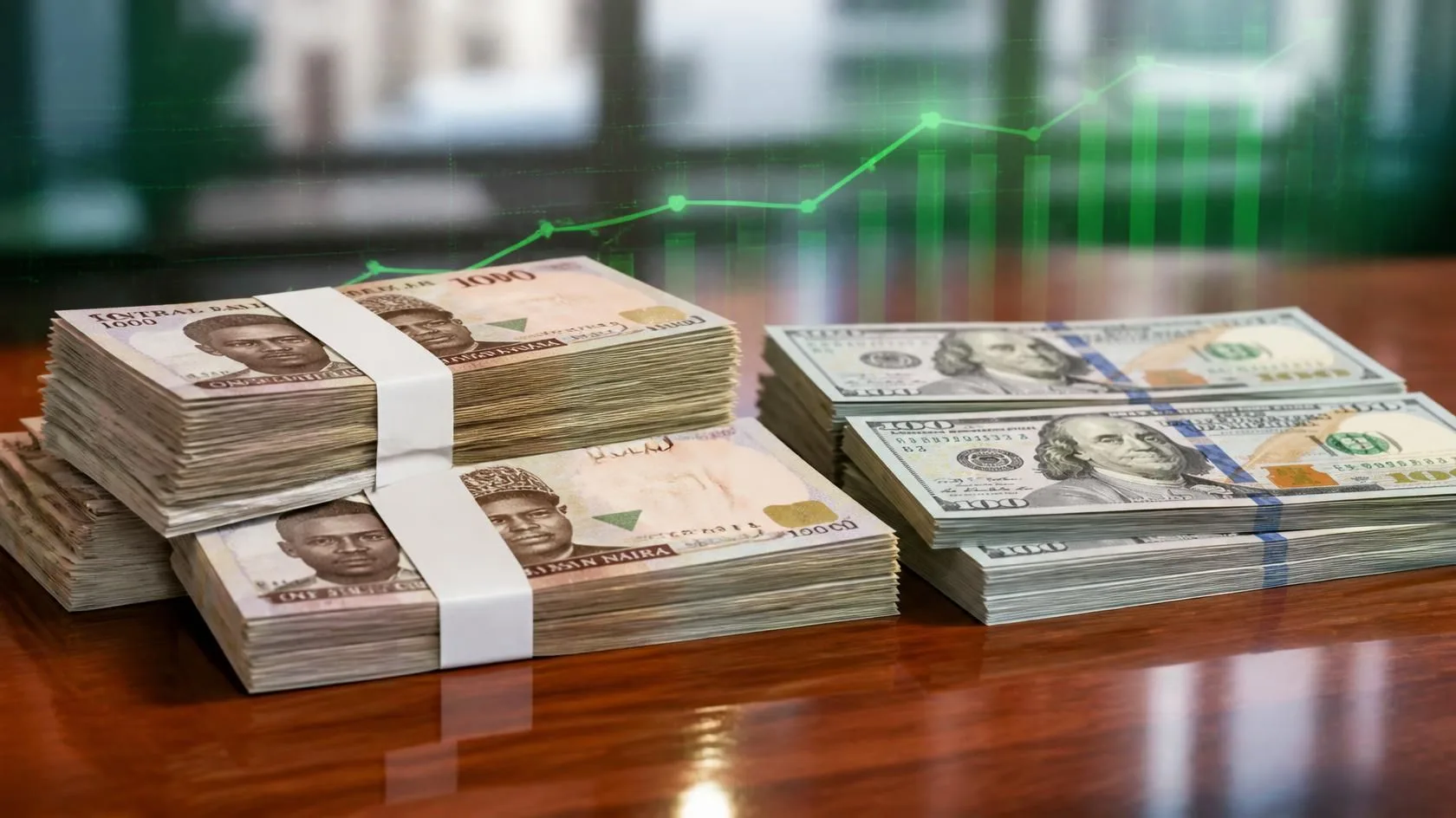
The Nigerian Naira is finally showing signs of strength. It recently gained ground against the US dollar. On August 20, the currency recorded a positive shift. The Nigerian Foreign Exchange Market (NFEM) reported a new rate. It stood at around ₦1,344.45 per dollar. This is a welcome development for the economy. Many experts point to one major factor. Improved dollar liquidity is firmly supporting the local currency. This shift brings hope to businesses and citizens alike. The daily struggles of the exchange rate are well known. Everyone feels the immediate impact of a weak currency. Therefore, this upward trend is making major headlines. We will explore exactly how this happened. Moreover, we will examine what it really means for you.
Understanding Dollar Liquidity
To understand this change, we must define dollar liquidity. It simply means the availability of US dollars. Dollars must flow freely in the financial system. When dollars are scarce, the Naira loses value rapidly. People bid higher to get the few available dollars. This creates a destructive cycle of currency depreciation. However, when dollars are plentiful, the Naira stabilizes. Recently, more dollars entered the Nigerian market. This influx reduced the intense pressure on the Naira. Therefore, the exchange rate improved significantly. The supply finally started to meet the heavy demand. The Central Bank of Nigeria plays a huge role here. They implement strict policies to attract foreign exchange. Their recent actions are clearly bearing fruit.
The Role of the Central Bank
The Central Bank of Nigeria (CBN) actively manages the currency. You can read their official updates on the Central Bank of Nigeria website. Recently, they introduced several bold measures. These steps aimed to clear foreign exchange backlogs. They also encouraged foreign investors to return. Consequently, these investors brought vital dollars into the country. Furthermore, the CBN adjusted baseline interest rates. This made local investments much more attractive globally. When foreigners invest, they exchange their dollars for Naira. This process instantly increases local dollar liquidity. Therefore, the Naira naturally strengthens against foreign currencies. The CBN's proactive approach has calmed the volatile markets.
Impact on Local Businesses
Nigerian businesses heavily depend on the US dollar. They need it to import raw materials and goods. A weak Naira makes imports incredibly expensive for everyone. This high cost is always passed down to the consumer. However, a stronger Naira completely changes the game. Businesses can now buy dollars at a much better rate. Therefore, their production and import costs will drop. This stabilization is crucial for large-scale operations. Massive projects need stable forex to thrive and expand. This ties directly into recent massive industrial movements. You can see this with how the Dangote Refinery secures $1bn underwriting for mega IPO. Such mega-projects benefit immensely from a stable domestic currency.
How it Affects Purchasing Power
The exchange rate directly impacts your personal wallet. It dictates the prices of goods in the local market. Nigeria imports a vast amount of its daily goods. When the dollar falls, imported goods become relatively cheaper. Therefore, a stronger Naira slows down rapid inflation. Your hard-earned money retains much more of its overall value. Have you ever wondered about extreme wealth in this economy? It is fascinating to explore what 551 million a month can actually buy in Nigeria. A stable currency makes a huge difference in purchasing power. It protects the middle and lower classes from extreme hardship. It ensures that basic necessities remain broadly affordable.
The Export Advantage
We often focus on imports, but exports matter too. A stable currency environment helps local exporters plan better. They can accurately price their goods for the international market. Moreover, foreign buyers prefer trading in stable economic environments. Increased exports bring even more dollars into Nigeria. This creates a highly positive cycle of economic growth. The government is actively promoting non-oil export initiatives. Agricultural products and manufactured goods are taking center stage. Therefore, maintaining this liquidity is a top national priority. A strong export base is the ultimate currency defense.
Market Confidence is Returning
Confidence is the absolute backbone of any financial system. When people trust a currency, they hold onto it. Previously, many Nigerians hoarded dollars to protect their wealth. This hoarding severely worsened the scarcity and crashed the Naira. However, the recent gains are restoring public financial trust. People are beginning to sell off their hoarded dollars. This panic selling further increases dollar liquidity in banks. The NFEM rate of ₦1,344.45 perfectly reflects this renewed optimism. Therefore, sustained confidence will lead to further currency appreciation. It stops the psychological panic that drives artificial devaluation.
Table: Current Market Indicators
Indicator | Status/Rate |
Currency Pair | USD/NGN |
Reported NFEM Rate | ₦1,344.45 |
Market Trend | Naira Strengthening |
Primary Driver | Improved Dollar Liquidity |
Oil Production and Forex Revenues
Nigeria generates most of its foreign exchange from oil. Therefore, oil production levels dictate immediate dollar inflows. Recently, the country has actively ramped up its daily output. Security forces have cracked down on oil theft in the Niger Delta. Consequently, more crude oil is legally exported and sold. This translates directly into more dollars for the federal government. The government then supplies these dollars to the official market. This improved supply directly supports the Naira's newfound strength. Moreover, global oil prices have remained relatively favorable recently. This powerful combination provides a strong cushion for the local currency.
The Impact of Diaspora Remittances
Nigerians living abroad send billions of dollars home yearly. These funds are widely known as diaspora remittances. They are a massive, consistent source of dollar liquidity. Recently, the government made it easier to receive these funds. They introduced better official channels for international money transfers. Therefore, more dollars are entering the country entirely legally. Instead of bypassing the system, the money flows through commercial banks. This official flow greatly boosts the reserves of the Central Bank. Consequently, the Naira gains much more structural support. Recognizing the diaspora's financial power is a smart economic move.
Potential Risks and Challenges
The recent gains are highly commendable and celebrated. However, the economic journey is not entirely smooth. Several lingering risks could potentially reverse this positive trend. Global economic shocks remain a constant external threat. If oil prices crash suddenly, dollar inflows will drop instantly. Furthermore, domestic inflation remains a stubbornly high obstacle. The government must tackle general inflation very aggressively. If inflation outpaces currency gains, the economic benefits vanish. Moreover, policy consistency is absolutely vital right now. The CBN must maintain its transparent foreign exchange rules strictly. Any sudden policy changes could easily spook foreign investors again.
The Role of Commercial Banks
Commercial banks also play a highly crucial role. They are the essential middlemen in the foreign exchange market. The CBN heavily relies on them to distribute dollars fairly. Recently, banks have faced much stricter regulatory oversight. They must transparently report all of their foreign exchange allocations. This effectively prevents currency hoarding by large financial institutions. Therefore, legitimate businesses get much faster access to vital funds. Moreover, retail customers can now secure travel allowances easier. This smooth distribution network massively enhances overall market liquidity. It permanently prevents the artificial scarcity that harms the Naira's overall value.
Looking Ahead
What does the near future hold for the Naira? Financial experts remain cautiously optimistic about the coming months. If current fiscal policies persist, the Naira could strengthen further. The ultimate target is to close the gap with the black market. True currency stability occurs when all market rates merge. Therefore, continuous dollar liquidity is the only viable long-term solution. The government must rapidly diversify the economy to ensure this. Relying solely on volatile crude oil is no longer a viable strategy. We must manufacture locally and export more finished goods globally. This is the only way to build lasting economic resilience.
Conclusion
The recent strengthening of the Naira is a huge positive indicator. Closing the market at ₦1,344.45 is a significant psychological milestone. It clearly proves that recent monetary policies are actually working. Improved dollar liquidity is the undisputed hero of this story. However, sustained, deliberate effort is required to maintain this momentum. Businesses can finally plan their futures with a degree of certainty. Everyday citizens can genuinely hope for a halt in rising prices. We must all continue to support our local industries actively. Buying Nigerian products directly reduces our overall dependence on the dollar. This is the surest path to permanent economic stability and growth.
Comments (0)
Keep exploring
Related posts
 Business
Naira Dips, Hits ₦1,382 per Dollar in Parallel Market
 Business
Dangote Refinery Plans $1.5 Billion IPO: What Investors Need to Know
 Business
Aliko Dangote's $16 Billion Lamu Refinery: Complete Details
 Business