
Falling Student Numbers Threaten UK £925 University Levy
UK universities warn that falling international student enrollments could derail the £925 levy planned for 2028 to fund grants for British students.



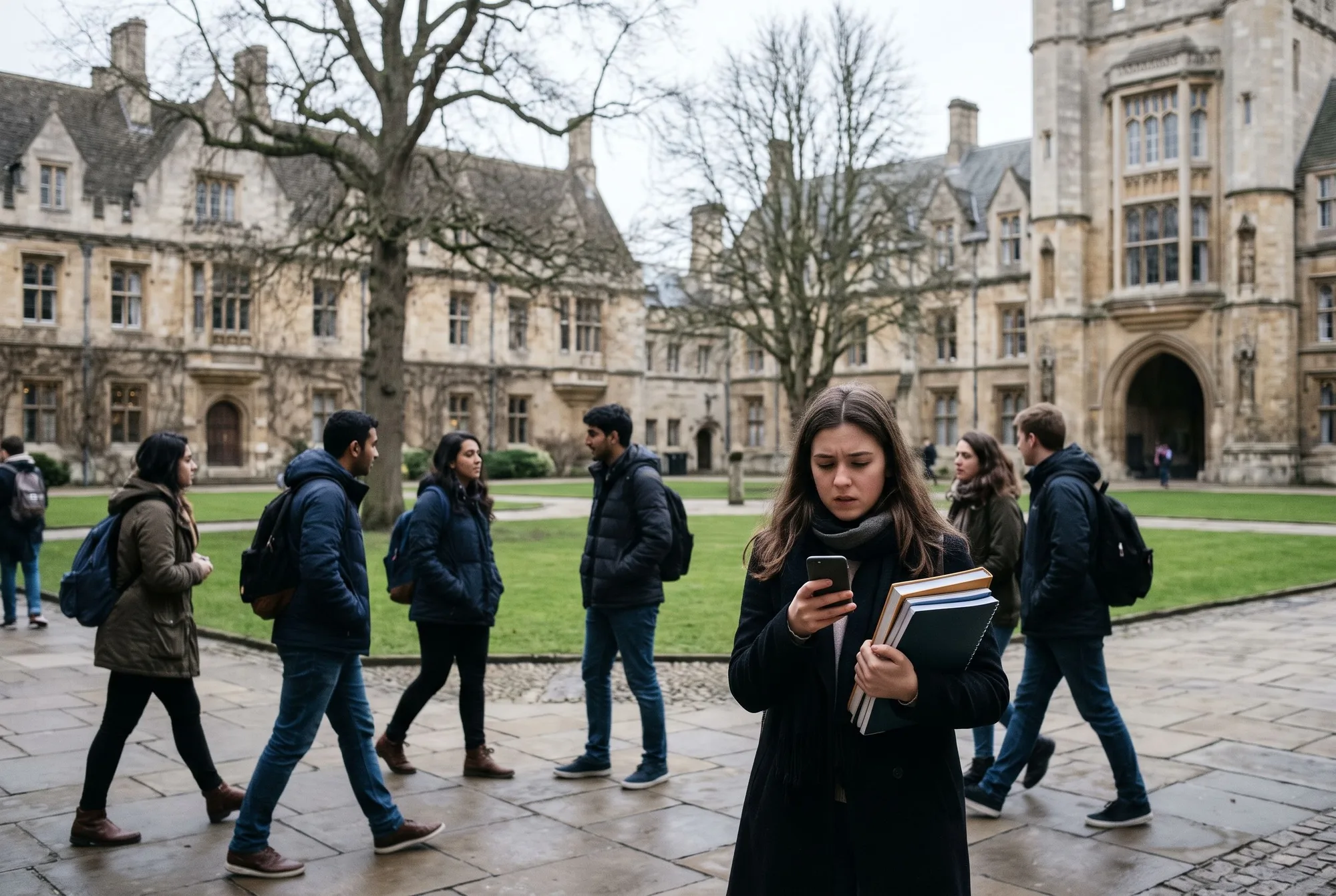
UK universities are raising a massive alarm over a controversial new government funding strategy. Starting in August 2028, English institutions face a flat £925 annual levy for every international student they enroll. The government designed this specific charge to fund maintenance grants for disadvantaged British students. But university leaders warn the underlying math is severely flawed.
International student numbers are dropping rapidly. The National Union of Students and the Russell Group publicly warned that this declining enrollment could completely derail the government's revenue plans. They called the government's income projections completely unrealistic.
How the £925 Levy Works
The Department for Education recently confirmed the final design of the policy. It targets institutions recruiting heavily from countries like Nigeria, India, China, and Pakistan. However, there is a minor buffer for smaller campuses. Universities will not pay the charge on their first 220 international students.
Here are the confirmed details of the new system:
Policy Feature | Official Confirmed Detail |
Billed Entity | The university pays, not the student directly. |
Collecting Body | The Office for Students will collect the funds. |
Levy Amount | A flat fee of £925 per international student annually. |
Covered Region | It applies strictly to universities in England. |
Purpose of Funds | It will fund maintenance grants for disadvantaged UK students. |
Start Date | August 1, 2028, assuming Parliament passes the legislation. |
Institutions in Scotland, Wales, and Northern Ireland are completely exempt from this specific levy.
The Core Problem with the Plan
The entire funding model relies on a steady, growing stream of foreign students. That stream is currently drying up. Recent strict crackdowns on student visas and dependent rules have severely damaged international recruitment.
Prospective students also face mounting financial barriers back home. For instance, Nigerian students are battling extreme foreign exchange shortages. As the Naira dips in the parallel market, paying standard UK tuition is becoming impossible for many families. Adding indirect costs makes the UK higher education sector far less attractive globally.
Will International Students Pay More?
The government insists the levy falls entirely on the universities. But critics see the financial reality differently. Universities are already dealing with massive funding deficits. They will likely increase international tuition fees to recover the £925 cost. This shifts the financial burden right back onto the international students.
Current applicants don't need to panic yet. The actual billing doesn't start until 2028. Before then, the Office for Students will run two trial calculations to test their systems. They will use student data from the 2026/2027 and 2027/2028 academic years for these practice runs. These early trials will not generate any actual financial charges.
However, education leaders are begging the government to rethink the strategy. They argue you simply cannot fund domestic education by taxing a rapidly shrinking international market.
Comments (0)
Keep exploring
Related posts
 Business
Naira Dips, Hits ₦1,382 per Dollar in Parallel Market
 Business
Dangote Refinery Plans $1.5 Billion IPO: What Investors Need to Know
 Business
FTSE Russell Reclassifies Nigeria to Frontier Market
 Business