FTSE Russell Reclassifies Nigeria to Frontier Market
FTSE Russell is restoring Nigeria to Frontier Market status this September. Learn how this massive upgrade impacts the NGX and foreign funds.



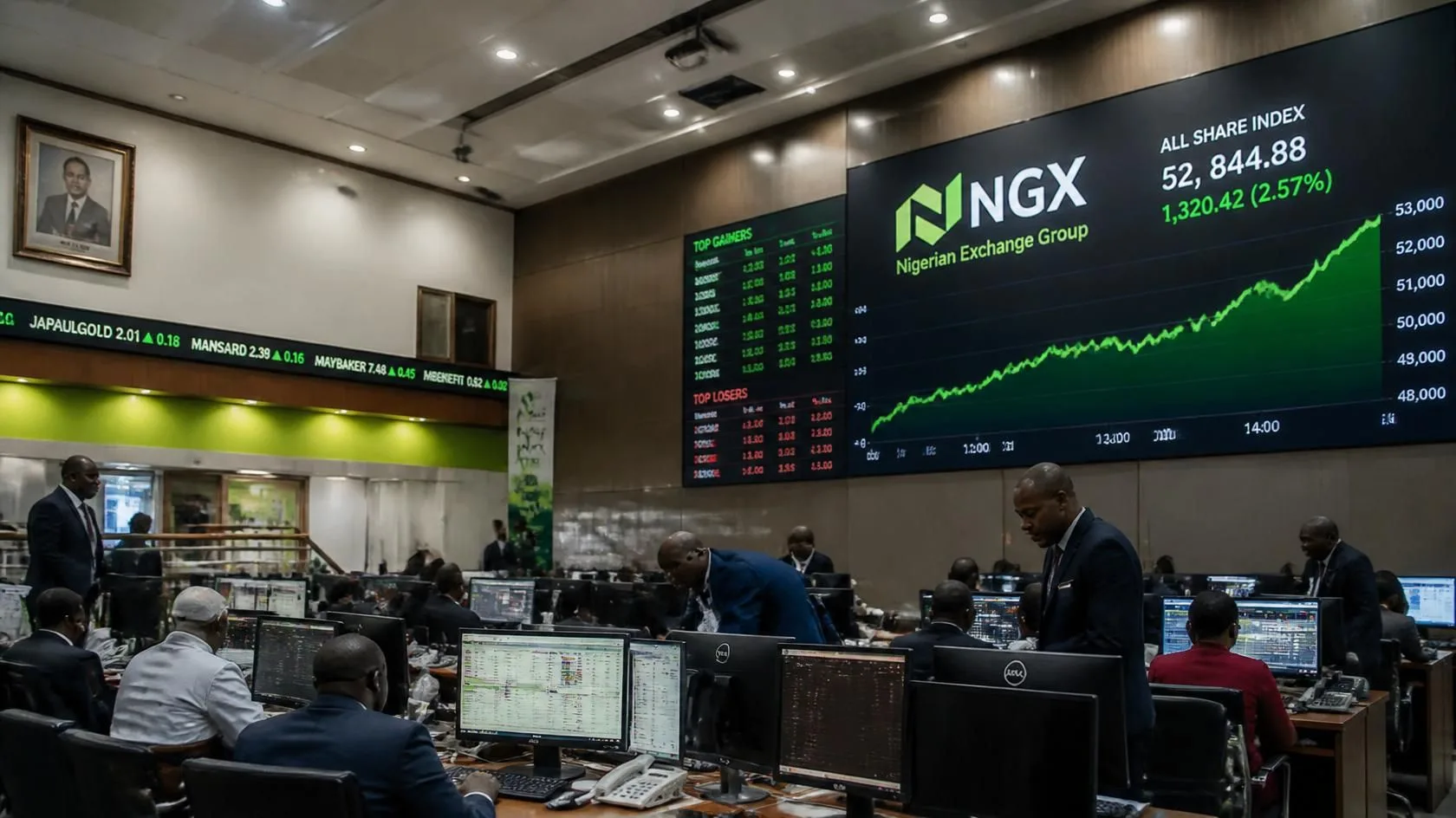
Nigeria is officially back on the global investment map. After a grueling three-year exile, FTSE Russell confirmed it will reinstate Nigeria to Frontier Market status. This major reclassification takes effect on Monday, September 21, 2026.
This decision closes a dark chapter for the Nigerian capital market. Back in September 2023, FTSE Russell downgraded the country to "Unclassified" status. The reason was undeniable. Foreign investors simply could not get their money out. Severe dollar shortages had trapped billions in capital within the country.
Now, the tide has finally turned. The London-based index provider has given Nigeria a clean bill of health. This upgrade restores confidence in the Nigerian Exchange (NGX). It sends a loud, unmistakable signal to global fund managers. Nigeria is open for business again.
The Pain of the 2023 Downgrade
To grasp the weight of this news, we must look back at the crisis. The 2023 downgrade hit the financial sector incredibly hard. Nigeria had proudly held Frontier Market status for years. But a crippling foreign exchange crisis ruined that reputation.
The central bank had pegged the naira at artificial rates for too long. Official dollar supplies vanished entirely. The black market exploded, creating massive arbitrage gaps that paralyzed normal business. Foreign institutional investors found themselves trapped in a burning building. They sold their Nigerian shares but could not convert their naira into dollars to take home.
FTSE Russell uses strict criteria for its indices. A market must allow seamless capital repatriation. Nigeria failed this fundamental test. The index provider acted swiftly. They dropped Nigeria from the Frontier index. They wiped the value of Nigerian index constituents to near zero.
Other global providers reacted similarly removed Nigeria from its own Frontier Markets Index in 2024. The Nigerian equity market became toxic for international portfolios. Domestic pension funds and retail investors had to carry the entire market weight. The total lack of foreign capital stifled market depth and liquidity for years.
Easing the FX Bottleneck
The turnaround began with a drastic change in political leadership. President Bola Tinubu took office and launched aggressive financial reforms. The government floated the naira, effectively ending the artificial peg. They moved to unify the fragmented exchange rate windows.
These adjustments brought immense pain to the local economy. Inflation soared to record highs. But for international investors, the moves were absolutely necessary. The central bank made clearing the backlog of trapped foreign funds its primary mission. Slowly, dollar liquidity returned to the official market.
By late 2025, FTSE Russell noticed these vital improvements. They placed Nigeria on a Watch List for potential reclassification. The painful reforms were working. You can read more about how the naira strengthens and dollar liquidity improves to see the daily impact. This structural shift laid the direct groundwork for the 2026 upgrade.
The T+1 Settlement Drama
The road back to Frontier status wasn't perfectly smooth. In April 2026, FTSE Russell initially announced the planned September upgrade. But just two months later, the entire process hit a wall.
The sticking point was a new NGX market rule. On June 1, 2026, Nigeria shifted its equity settlement cycle from T+2 to T+1. This meant trades would now settle in one business day instead of two. The NGX made this progressive change to align with major global markets. The US, Canada, and India already use T+1 systems.
FTSE Russell flagged a massive concern, though. Given the different time zones, would foreign investors need to pre-fund their trades? Pre-funding violates FTSE's Delivery versus Payment (DvP) standards. They immediately paused the reclassification to investigate further.
The NGX Group scrambled to fix the narrative. In July 2026, an NGX delegation flew to London. They sat down directly with global custodians and institutional investors. They explained the exact mechanics of the new T+1 system. They demonstrated that international investors wouldn't face funding bottlenecks. The face-to-face engagement worked perfectly.
The Final Validation
On August 27, 2026, FTSE Russell delivered the final verdict. Their Index Governance Board reviewed the committee findings. They officially confirmed there were no material settlement or funding issues in the Nigerian market. The September 21 return date was locked in permanently.
This stands as a massive victory for Nigerian market operators. Dr. Fiona Ahimie, President of the Chartered Institute of Stockbrokers, praised the final decision. She noted it officially restores Nigeria's global visibility and eligibility for foreign portfolios.
The NGX leadership played a vital background role. Just weeks before the final approval, the NGX Group Board met with President Tinubu. They discussed ongoing capital market reforms. This close alignment between market operators and the federal government proved highly effective.
What This Means for the NGX
Rejoining the Frontier Market index radically changes the landscape for the NGX. Many global investment funds passively track FTSE indices. When Nigeria officially returns on September 21, these funds are mandated to buy Nigerian stocks. This automatic capital inflow will drastically deepen market liquidity.
It also creates a fertile environment for new corporate listings. The NGX actively wants to attract major tech companies. We should expect increased momentum in the NGX fintech listing pipeline very soon. African tech startups desperately want access to international capital. A globally recognized, FTSE-approved exchange provides exactly that platform.
The timing couldn't be better. Nigerian equities have shown incredible resilience recently, driven purely by domestic funds. Adding foreign capital into the mix will only strengthen market fundamentals. It offers an exit route for older legacy investors. It provides fresh capital for expanding local businesses.
Specific Sectors Poised to Benefit
Foreign portfolio managers don't buy the entire market blindly. They target highly liquid, large-cap stocks. When the FTSE funds return in late September, specific sectors will see the bulk of the action.
Nigerian banks are prime targets. They possess deep liquidity and strong dividend histories. Telecommunications giants will also attract heavy inflows. These companies have demonstrated massive growth despite local economic headwinds. Building materials and consumer goods companies form the rest of a typical foreign portfolio.
This concentrated buying pressure lifts the entire market index. Retail investors holding these blue-chip stocks stand to gain significantly. It creates wealth for everyday Nigerians invested in the market.
Retail investors must remain cautious, however. Foreign capital can be highly volatile. Global funds react quickly to international news. An interest rate hike in the United States can easily trigger sell-offs in emerging markets. Domestic investors should focus on long-term company fundamentals rather than short-term price spikes.
The Role of Domestic Institutional Investors
While foreign capital grabs the headlines, we cannot ignore the locals. Domestic pension fund administrators (PFAs) kept the NGX afloat during the three-year exile. They absorbed the massive sell-offs when foreign funds fled in 2023.
These domestic institutions have grown significantly in size and sophistication. They now control trillions of naira in assets. Their constant presence provides a massive buffer for the equity market.
When foreign investors return, they'll find a much more resilient local market. The dynamic between domestic PFAs and foreign funds will define the next era of the NGX. A healthy balance prevents the market from collapsing if foreign capital ever decides to exit again.
This mature market structure appeals to external rating agencies. It shows that Nigeria isn't entirely dependent on foreign whims. A strong domestic base mixed with international liquidity is the perfect recipe for a world-class stock exchange.
Broader Economic Signals
This upgrade carries weight far beyond the trading floor. It serves as an independent, third-party validation of Nigeria's recent economic policies. FTSE Russell's rigorous due diligence confirms that capital can flow freely across Nigerian borders again.
This renewed confidence easily bleeds into other critical sectors. The federal government is actively hunting for foreign direct investment. For example, recent offshore oil tax incentives aim to attract billions into the energy sector. Global energy firms want absolute certainty they can repatriate their profits. The FTSE Russell decision proves that they can do exactly that.
Other rating agencies are watching this space closely. MSCI still excludes Nigeria from its main frontier indices. S&P Dow Jones recently placed Nigeria on a Watch List for a potential 2027 upgrade. FTSE Russell moving first typically forces others to follow. Market analysts expect MSCI to formally review its harsh stance shortly.
The Road Ahead
The immediate next step happens very soon. On September 2, FTSE Russell will publish its annual indicative review files. These documents will reveal the exact Nigerian stocks returning to the index. Portfolio managers worldwide will use this specific data to plan their block trades.
Then comes the actual effective date of September 21. Market operators anticipate a sharp surge in trading volumes. Smart domestic investors might position themselves early, ahead of the foreign inflows. This dynamic could easily drive a short-term rally in major blue-chip stocks.
The real challenge lies in keeping this prestigious status. Nigeria simply cannot afford another catastrophic FX crisis. The central bank must defend a transparent, highly liquid currency market. The NGX must constantly upgrade its digital technology and regulatory frameworks.
Converting this international spotlight into sustained economic growth remains the ultimate goal. The government must stay the course on its tough economic reforms. Foreign investors despise policy uncertainty. They demand predictable rules and a stable currency environment.
Nigeria's return to the FTSE Russell Frontier Market is a hard-won victory. It took three years of brutal economic adjustments. It required intense diplomatic lobbying and technical upgrades by the NGX. The "Unclassified" label is finally gone for good. Global capital now has a clear, safe path back to Lagos.
Comments (0)
Keep exploring
Related posts
 Business
Naira Dips, Hits ₦1,382 per Dollar in Parallel Market
 Business
Dangote Refinery Plans $1.5 Billion IPO: What Investors Need to Know
 Business
Aliko Dangote's $16 Billion Lamu Refinery: Complete Details
 Business