
Tinubu's Offshore Oil Tax Incentives Spark $50B Rush
President Tinubu's new Deep Offshore Oil and Gas Project Incentives aim to unlock fifty billion dollars in investment and boost crude oil production.



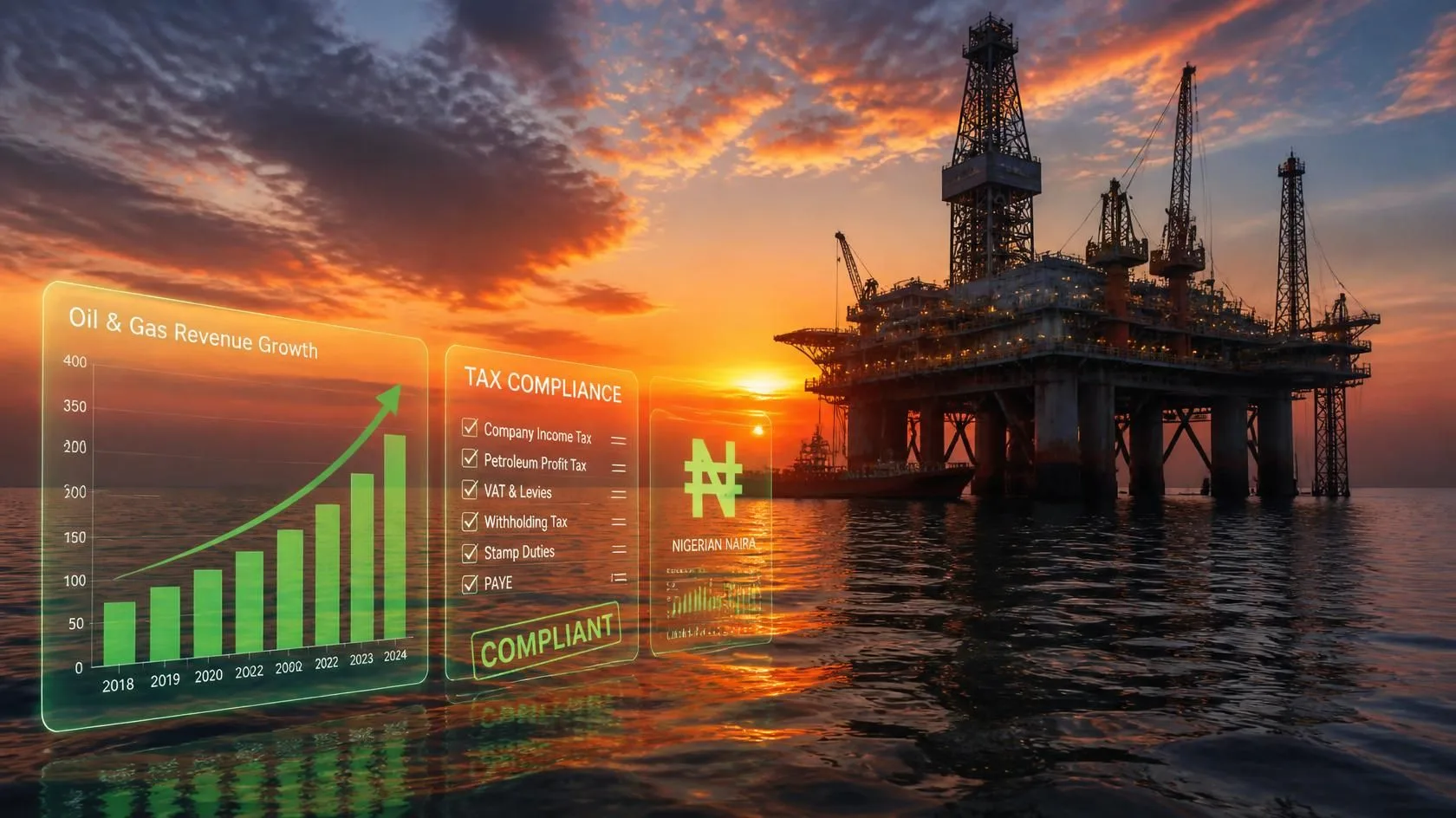
President Bola Tinubu has signed a powerful new executive order. This order targets deep offshore oil and gas projects. It offers massive tax incentives to attract major global investments. The goal is to unlock up to $50 billion in the sector. Furthermore, this move aims to boost Nigeria’s crude oil production significantly.
For many years, large offshore projects faced serious funding challenges. High costs and regulatory uncertainty delayed progress across the industry. Therefore, the government decided to change the investment landscape completely. The new Deep Offshore Oil and Gas Projects Incentives Order brings much-needed clarity. It replaces the old system of negotiating project by project. Now, there is a transparent framework for all qualifying companies.
This new order is a massive game changer for Nigeria. It perfectly aligns with recent efforts to improve the national economy. For instance, Nigeria's oil and gas growth depends on turning reforms into bankable projects. This new tax break actively makes those offshore projects highly bankable.
How the New Tax Incentives Work
The new fiscal framework offers very attractive production tax credits. Oil companies can receive up to $11.50 per barrel in credits. The standard credit starts at $3 per barrel for smaller reserves. Alternatively, they can claim 20 percent of the fiscal oil price. Gas projects also receive strong, targeted financial support. They can get up to $8 per barrel of oil equivalent.
These generous incentives will remain active until the end of 2029. Therefore, oil companies have a clear timeline to make final investment decisions. The Nigerian Upstream Petroleum Regulatory Commission (NUPRC) fully supports this bold initiative. The agency believes this will encourage international oil companies to act fast.
Moreover, this policy brings predictability to the volatile energy market. Companies want to know that rules will not change suddenly. Providing this regulatory certainty is absolutely crucial for capital-intensive deepwater projects.
Shell's Bonga South West Project
One massive project is already taking the global spotlight. Shell’s Bonga South West development is expected to lead the way. This single project requires about $10 billion in fresh investment. Shell has considered this massive development for nearly two decades. However, previous regulatory uncertainties kept the project on hold for years.
Now, the new tax incentives make the project commercially viable. If Shell reaches a final investment decision, others will surely follow. This could easily spark a massive offshore investment rush in Nigeria.
We have seen similar mega-projects boost economic confidence recently. For example, the Dangote Refinery secures $1bn underwriting for mega IPO. When massive industrial projects succeed, they naturally attract more foreign direct investment.
Boosting Local Industry and Jobs
The executive order is not just about enriching foreign companies. It heavily focuses on building local Nigerian industrial capacity. Companies benefiting from the tax breaks must utilize local services. This includes domestic engineering, fabrication, technical services, and marine logistics.
Therefore, a large portion of the investment will remain inside Nigeria. This will create thousands of highly skilled jobs for everyday citizens. Furthermore, it will deepen the local supply chain significantly over time. The government wants to position Nigeria as Africa's premier deep offshore hub.
Local capacity building is essential for long-term national wealth generation. The maritime and logistics sectors will experience massive, unprecedented growth. They will need to expand rapidly to support these massive offshore projects.
Table: Breakdown of the New Tax Credits
Incentive Category | Tax Credit Value |
Maximum Oil Credit | Up to $11.50 per barrel |
Standard Oil Credit | $3.00 per barrel |
Gas Project Credit | Up to $8.00 per BOE |
The Impact on Nigeria's Broader Economy
The economic benefits of this executive order are incredibly vast. The NUPRC estimates it could add one million barrels per day. This massive increase in daily production will generate huge national revenues. Increased oil exports directly bring in vital foreign exchange dollars.
Recently, the Naira strengthens as dollar liquidity improves in the open market. Boosting our daily oil exports will further stabilize the local currency. Moreover, increased government revenue helps fund public infrastructure and basic services. Just last month, Nigeria shares 3 trillion in July federation revenue. More oil production guarantees that these financial figures will keep rising.
Nigeria is actively competing with other African nations for capital today. Countries like Angola and Namibia are also seeking deepwater offshore investments. Therefore, Nigeria must offer the best fiscal environment possible globally. The new tax incentives give Nigeria a massive competitive advantage right now.
Global capital always flows to the most welcoming and stable markets. With these clear rules, Nigeria is loudly declaring itself open for business. The successful implementation of this order requires strong institutional support constantly. The NUPRC and other government agencies must work together smoothly. Furthermore, consistency in applying these rules is absolutely vital for success. If the government maintains this supportive stance, the economic future looks incredibly bright.
Comments (0)
Keep exploring
Related posts
 Business
Naira Dips, Hits ₦1,382 per Dollar in Parallel Market
 Business
Dangote Refinery Plans $1.5 Billion IPO: What Investors Need to Know
 Business
Aliko Dangote's $16 Billion Lamu Refinery: Complete Details
 Business