
#OccupyNASS: Why Nigerians Are Rejecting the New Electoral Bill
The #OccupyNASS protests have returned to Abuja as citizens demand mandatory electronic voting and reject the Senate's 180-day election notice window.




The gates of the National Assembly are crowded again. Citizens and civil society groups are back under the #OccupyNASS banner. They have one major demand. They want mandatory, real-time electronic transmission of election results written explicitly into the new Electoral Act Amendment Bill. Trust in the electoral process is hanging by a thread ahead of 2027.
Lawmakers recently spent hours reviewing the 155 clauses of the Electoral Act. They introduced the Bimodal Voter Accreditation System (BVAS) for accreditation. However, they left a massive loophole. The current amendment still allows manual collation of results if electronic transmission fails. Protesters argue this defeats the entire purpose of digital voting. It leaves room for the same manual interference that has marred previous elections.
This isn't just a youth-led movement. Heavyweight politicians are showing up at the complex. Former Labour Party presidential candidate Peter Obi addressed the crowd recently. He made it clear that transparent result transmission is the only way to restore public confidence. Even former Minister of Transportation Rotimi Amaechi was seen standing with the demonstrators. When figures from across the political spectrum join a protest, you know the stakes are high. It reflects the broader political tension we've seen surrounding recent government policies and reforms.
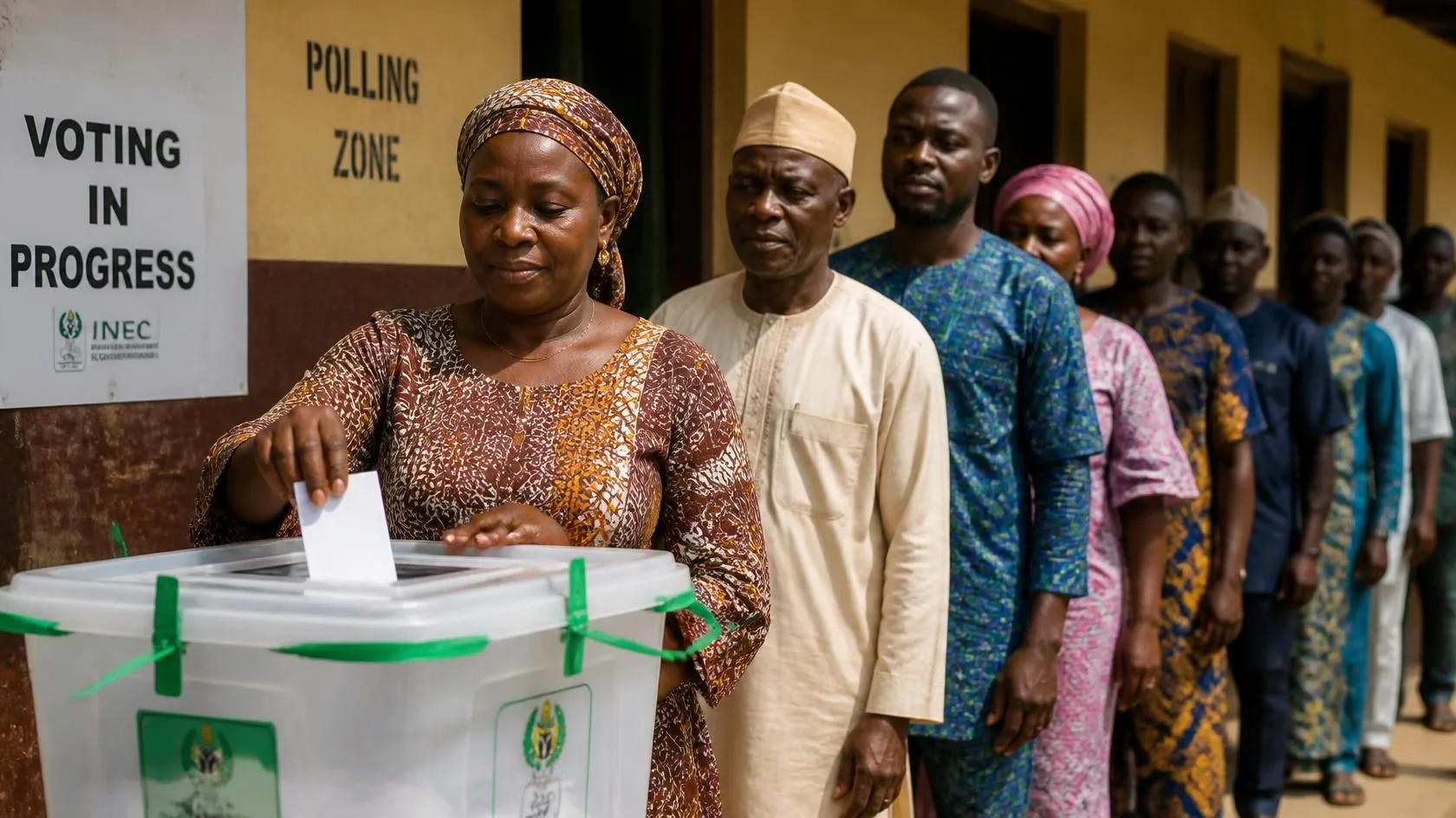
Politicians know the 2027 elections will be fiercely contested. They understand that the rules written today dictate who wins tomorrow. When citizens feel their votes won't count, voter apathy skyrockets. The 2023 elections left a bitter taste for many voters because of glitches with the INEC Result Viewing Portal. People don't want a repeat of that technical failure. They want the law to absolutely mandate electronic uploads directly from the polling units. No excuses.
Electronic voting isn't the only issue firing up the crowd. The Senate also drastically slashed the Independent National Electoral Commission statutory election notice window. Originally, INEC had to publish the notice of election 360 days before the polls. Senator Tahir Monguno proposed cutting this window down to 180 days. The Senate approved it. They claim this gives INEC more operational flexibility.
Critics see it differently. They argue that cutting the notice period by half compresses the preparation time for everyone. Opposition parties need that full year to organize primaries, resolve internal disputes, and campaign effectively. A shorter window inherently favors the ruling class who already have established structures and endless funding. If INEC struggles with logistics given a full year, giving them just six months seems like a recipe for chaos.
Here is a quick breakdown of what the Senate is trying to change:
Feature | Previous Electoral Act | Proposed 2026 Amendment |
Result Transmission | Ambiguous on manual backup | Allows manual collation if electronic fails |
INEC Election Notice | 360 days before election | 180 days before election |
Accreditation Device | Smart Card Readers | Bimodal Voter Accreditation System (BVAS) |
The government's reaction has been predictable. Security agencies heavily barricaded key access roads leading to the National Assembly. They claim they want to prevent a breakdown of law and order. Protesters see it as a deliberate attempt to stifle public engagement. Despite the heavy police and military presence, the demonstrations remain peaceful. Chants and placards dominate the scene.
The organizers swear they won't back down until the Senate removes the manual collation clause. You can feel the frustration on the ground. Youth activists are camping out despite the scorching Abuja sun. They are holding daily press briefings. They are live-streaming the protests to bypass traditional media blackouts. It is a highly coordinated effort to keep the legislative process under public scrutiny.
Time is running out for meaningful reforms. The Senate and House of Representatives still need to harmonize their versions of the bill before transmitting it to the President for assent. If the controversial clauses remain, the 2027 general elections will kick off under a cloud of deep suspicion. A transparent legal framework is the bare minimum for a functioning democracy. Right now, the #OccupyNASS movement is the only thing standing between voters and a flawed electoral bill.
Comments (0)
Keep exploring
Related posts
 Politics
Osun State Governorship Election: 2026 Full Overview
 Politics
Tinubu Appoints New Head of Civil Service
 Politics
Tinubu Appoints Yari as Campaign DG, Enitan as Civil Service Head
 Politics