
Osun State Governorship Election: 2026 Full Overview
Discover the complete details of the 2026 Osun State governorship election. Explore the final results, voter turnout, and future impacts.



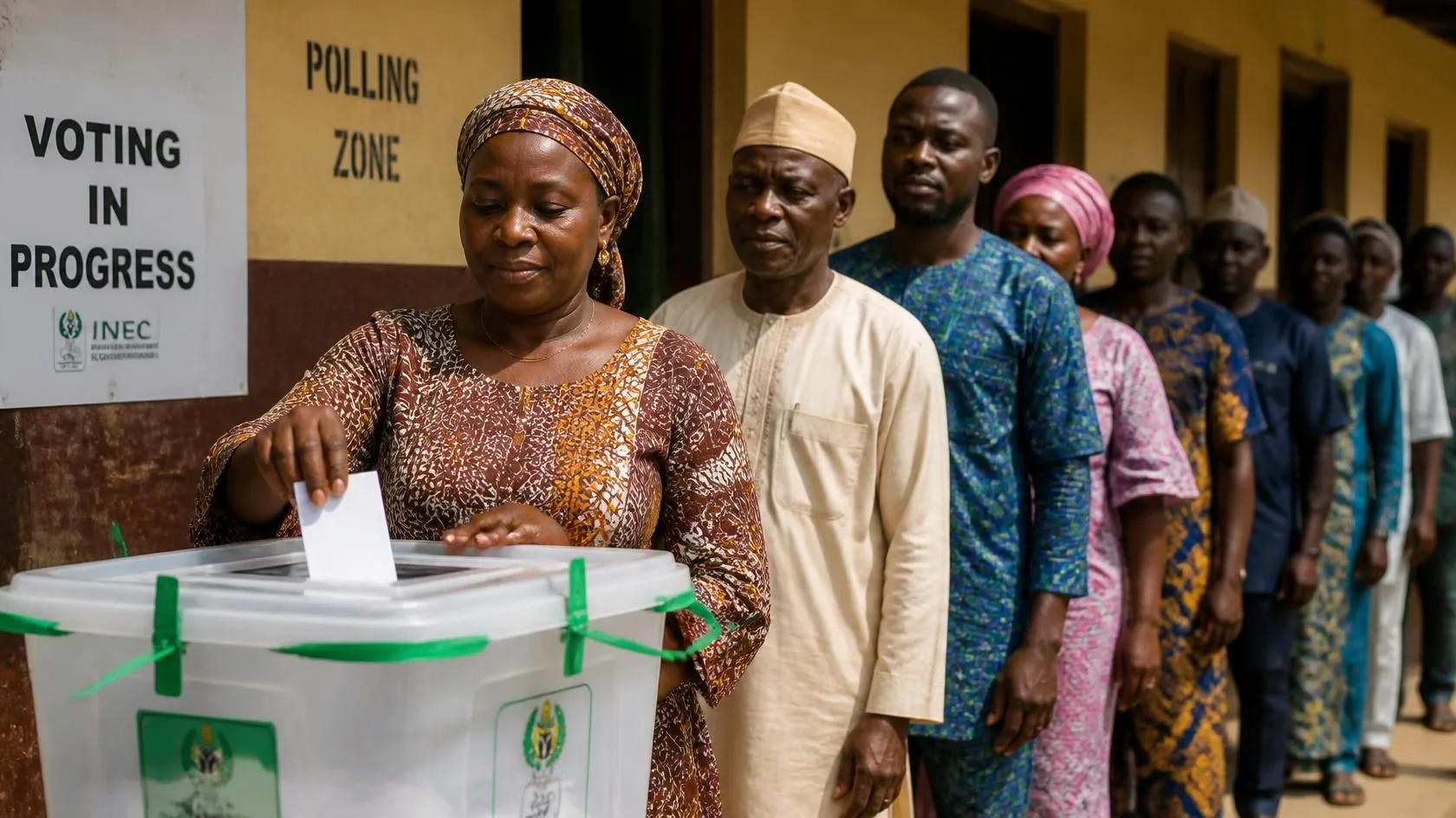
The Osun State governorship election is a major political event in Nigeria. It is an off-cycle election. This means it happens outside the general election timeline. The recent 2026 election was highly anticipated. It captured the attention of the whole nation. Governor Ademola Adeleke secured his second term in office. He won the election convincingly. In this post, we will look at the key details. We will examine the final results, voter turnout, and the historical background of the polls.
The 2026 Election Outcome
On August 15, 2026, Osun citizens went to the polls. The Independent National Electoral Commission (INEC) managed the voting process. Ademola Adeleke ran under the Accord Party. He defeated his closest rival. That rival was Bola Oyebamiji of the All Progressives Congress (APC).
Adeleke scored a total of 511,067 votes. On the other hand, Oyebamiji secured 444,815 votes. Therefore, Adeleke retained his seat as the executive governor. The African Democratic Congress (ADC) candidate came third with 17,180 votes. The margin of victory was clear and decisive. Adeleke won in 19 out of the 30 local government areas.
2026 Election Results Summary
Candidate | Political Party | Total Votes |
Ademola Adeleke | Accord Party | 511,067 |
Bola Oyebamiji | All Progressives Congress (APC) | 444,815 |
Najeem Salaam | African Democratic Congress(ADC) | 17,180 |
Voter Turnout and Registration
Voter turnout is always a vital metric for any democracy. Before the 2026 election, INEC recorded high registration numbers. The state had over 2.3 million registered voters. This was a record high for Osun State. Furthermore, about 81% of these voters collected their Permanent Voter Cards. This showed massive initial interest from the public.
However, the actual turnout on election day was much lower. Only about 1,005,800 total votes were cast. This represents roughly 43% of the eligible voters. This means fewer than four in ten registered people actually voted. Moreover, there were isolated reports of vote-buying. These systemic issues remain a big challenge for Nigerian elections.
The Historical Context
Osun State has a long history of very tight political races. For example, the 2018 election was highly controversial. It ended in a rerun. The 2022 election also saw a fierce political battle. In that year, Adeleke defeated the incumbent governor, Gboyega Oyetola. This victory set the stage for the 2026 elections.
Furthermore, election tribunals often play a huge role in Osun. Many past elections ended in lengthy court battles. Almost every election in the state has faced post-election litigation. However, the 2026 outcome seems very decisive. The winning margin of over 66,000 votes gives a clear mandate.
Economic and Social Implications
Adeleke’s victory gives him four more years in power. He will govern the state until 2030. Osun State faces serious economic challenges today. The state urgently needs better infrastructure, healthcare, and jobs. The governor must now focus on delivering his campaign promises.
In addition, the opposition parties must regroup. They need a fresh strategy for future elections. The people of Osun expect transparency and good governance. Therefore, the coming years are very crucial for the state's development.
Conclusion
The Osun State governorship election of 2026 is officially concluded. The results are now final. Governor Adeleke has a renewed political mandate. We hope this new term brings real progress to Osun state. Active citizen participation remains the key to a better democracy. Vote wisely.
Comments (0)
Keep exploring
Related posts
 Politics
Tinubu Appoints New Head of Civil Service
 Politics
Tinubu Appoints Yari as Campaign DG, Enitan as Civil Service Head
 Politics
Atiku Abubakar's Controversial Stance on Fuel Subsidy
 Politics