
INEC's AI Integration for 2027 Elections: What It Means
INEC plans to use AI for result verification and cybersecurity in the 2027 elections. We break down the new system and the risks involved.



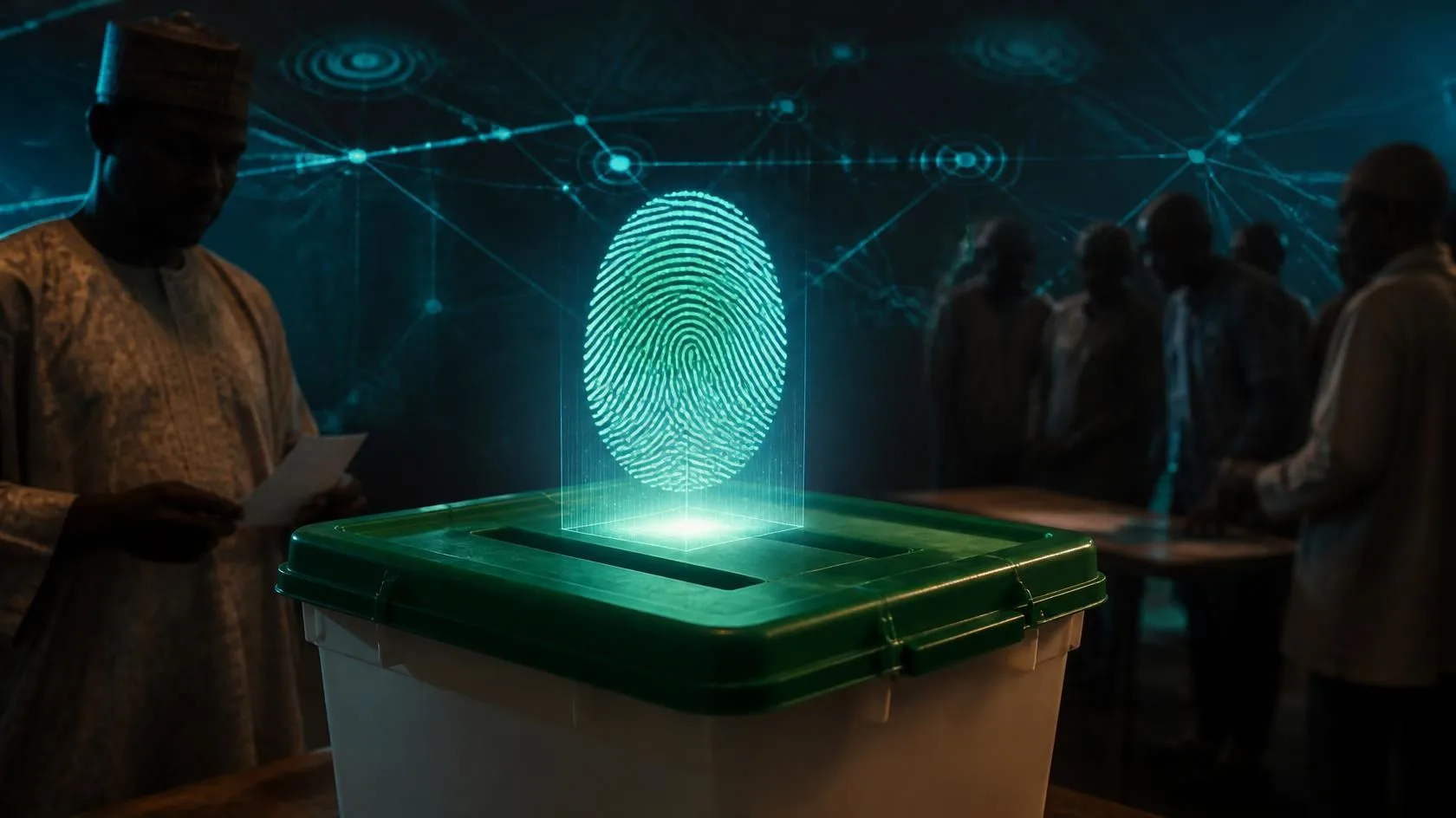
The Independent National Electoral Commission (INEC) has officially announced a massive technological shift for the 2027 general elections. They are bringing Artificial Intelligence (AI) into the result verification process.
For years, Nigerians have demanded cleaner, more transparent elections. Now, INEC Chairman Professor Joash Amupitan says the commission will deploy AI auditing tools and anomaly detection systems. This marks a serious upgrade from the current Bimodal Voter Accreditation System (BVAS) and the INEC Results Viewing Portal (IReV).
Relying on algorithms for something as sensitive as a national election raises massive questions. Will the technology actually stop rigging, or will it create entirely new ways to manipulate the vote?
How INEC Plans to Use AI
INEC isn't just throwing bots at the ballot boxes. The deployment falls under a new five-pillar AI Governance Framework. The primary goal is to spot irregularities faster than human auditors ever could.
Here is exactly where the technology will be applied:
AI Deployment Area | Core Function | Expected Impact |
Result Verification | Automated auditing of uploaded results against polling unit data. | Faster detection of manipulated tally sheets and mismatched numbers. |
Cybersecurity | Monitoring database traffic for unusual patterns or spikes. | Immediate defense against hacker intrusions and unauthorized portal access. |
Anomaly Detection | Flagging statistical impossibilities in voter turnout or result distribution. | Preventing massive result padding at the ward and local government levels. |
The Deepfake Threat
While INEC uses AI to protect the vote, malicious actors will definitely use the same technology to attack it. Professor Amupitan sounded the alarm on generative AI, voice cloning, and deepfake videos.
These tools make it dangerously cheap and easy to fabricate evidence. Imagine a fake video of an election official announcing rigged results spreading across social media on election day. The chaos would be immediate. This exact kind of technological weaponization aligns with recent concerns about unregulated tech, similar to when the OpenAI CEO warned about AI threats to humanity.
Disinformation travels faster than fact-checkers can work. If political operatives flood the internet with doctored audio clips and fake letterheads, voter trust will collapse entirely.
Mandatory Human Oversight
The commission promises they won't leave the final decisions to machines. INEC insists on mandatory human oversight for all AI operations. An algorithm might flag a suspicious result, but a human official must verify the discrepancy before canceling any votes.
To make this work, INEC must finalize its AI governance policy long before the first ballot is cast. They also need to train their staff extensively. Technology is only as effective as the people operating it. If the polling unit staff cannot securely upload the data, the most advanced AI in the world won't save the election.
Nigeria's democracy cannot afford another disputed election process. The integration of AI for 2027 is a bold move toward transparency. INEC must prove they can secure their systems against inevitable cyberattacks while managing the public panic that deepfakes will surely cause. The real test is execution.
Comments (0)
Keep exploring
Related posts
 Politics
Osun State Governorship Election: 2026 Full Overview
 Politics
Tinubu Appoints New Head of Civil Service
 Politics
Tinubu Appoints Yari as Campaign DG, Enitan as Civil Service Head
 Politics