
How City Distro Uses Tech to Transform FMCG Distribution
Discover how Nigerian startup City Distro is using technology to fix broken logistics and transform FMCG product distribution across Africa.



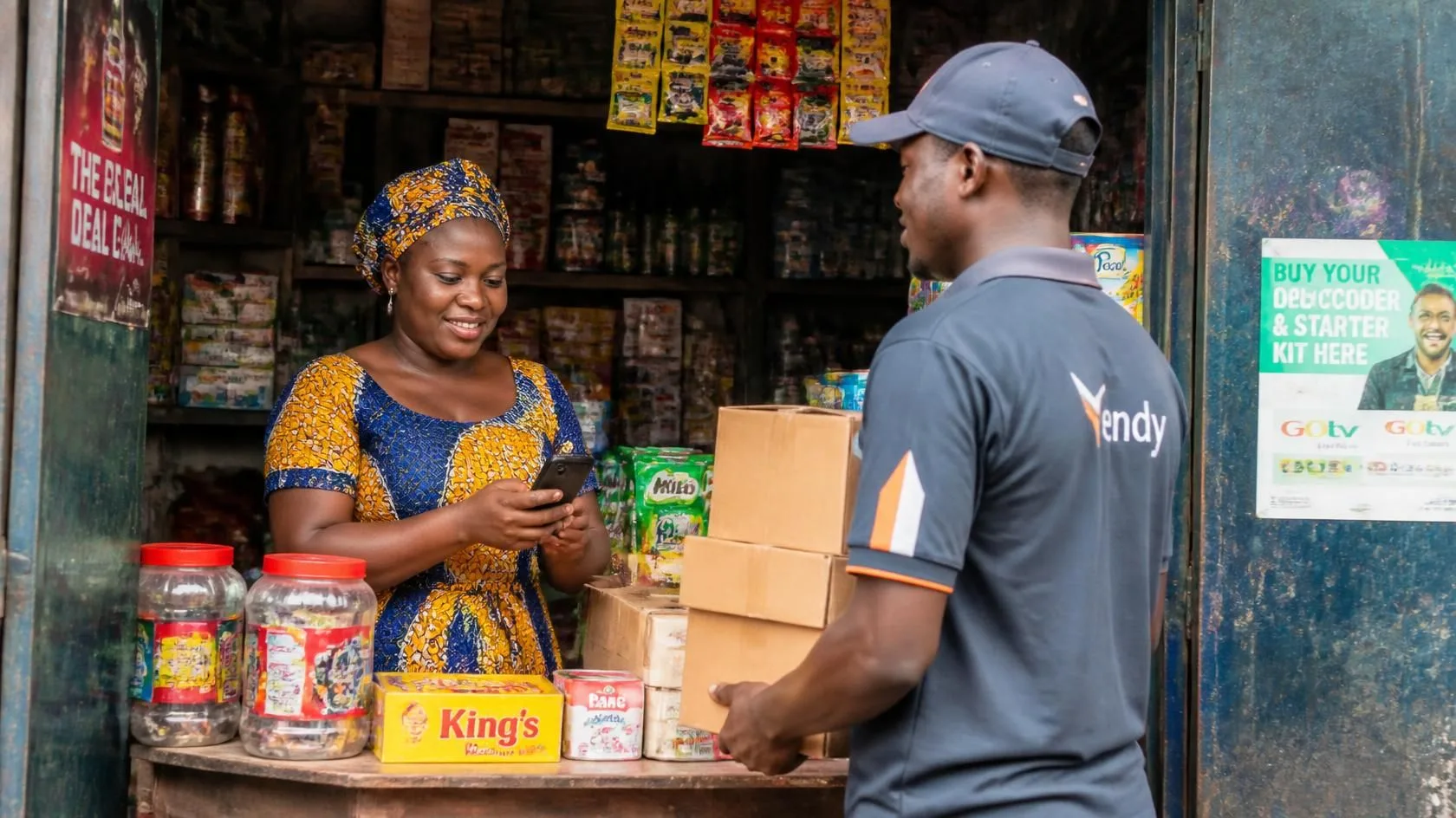
Walk into any neighborhood in Lagos, Nairobi, or Accra, and you will see the heartbeat of African retail: the informal corner shop. These small, independent kiosks sell everything from packaged water and detergent to cooking oil. Globally, massive supermarkets dominate the landscape. But across Africa, informal retail still drives up to 80% of all household purchases.
The problem is the supply chain behind the scenes. Getting everyday goods onto the shelves of a local store is a logistical nightmare. Manufacturers struggle to reach these highly fragmented shops. Shop owners waste valuable time closing their stores to go buy stock from crowded, chaotic wholesale markets.
This is exactly the massive gap City Distro Nigeria is stepping in to close. The Lagos-based company is building technology-enabled distribution infrastructure designed to completely rewire how everyday products reach consumers. By applying smart technology to a very traditional supply chain, they are writing a bold new playbook for FMCG distribution Nigeria and the wider continent.
The Chaos of Traditional Supply Chains
To understand why City Distro’s model matters, you have to look closely at how goods actually move right now.
Let's say a factory produces a batch of packaged soap in Ogun State. Before that soap reaches a consumer in a semi-urban town, it passes through an incredibly complex web of middlemen. It moves from the factory to a national distributor, then to a regional wholesaler, and down to a sub-wholesaler in a bustling market. Finally, a local shop owner buys it and carries it back to their neighborhood on a hired tricycle.
Every single handover adds a markup to the final price. It also adds significant time and risk. Stockouts are frequent. If a shop owner runs out of a popular brand of rice, they lose that sale instantly. Worse, the manufacturer has absolutely zero visibility into who is actually buying their product at the end of the line.
When you factor in the daily realities of logistics Nigeria deals with - bad roads, unpredictable fuel costs, and fragmented warehousing - the cost of moving goods skyrockets. This broken system squeezes margins for the small retailers who already operate on razor-thin profits. It also keeps shelf prices artificially high for the everyday consumer.
Rewriting the Distribution Rules
This is where modern distribution technology Africa desperately needs comes into play. City Distro acts as the direct digital bridge connecting major consumer brands directly to thousands of informal retailers.
Instead of forcing shop owners to shut down for the day to hunt for inventory, City Distro gives them a dedicated digital platform. A local shopkeeper can simply open an app on their phone, browse a catalog of essential products, and place an order. The platform aggregates these orders and uses a tech-enabled logistics fleet to deliver the goods directly to the shop’s door.
This sounds simple on the surface, but executing it requires massive operational heavy lifting. You need smart warehousing, optimized routing algorithms, and reliable last-mile delivery drivers.
Like many ambitious Nigerian startups, City Distro is doing the hard work of blending software with real-world physical infrastructure. They aren't just building an app. They are building a tangible supply chain network powered entirely by data.
The Shift from Analog to Digital Retail
Let's look at the practical difference this technology makes for a standard neighborhood retail shop.
Operational Area | Traditional Distribution Method | City Distro’s Tech-Enabled Method |
|---|---|---|
Sourcing Inventory | Closing the shop to visit crowded wholesale markets. | Ordering via mobile app while keeping the shop open. |
Pricing & Margins | Paying multiple markups through various middlemen. | Buying at transparent, standardized prices directly. |
Stock Management | Guessing what to buy, often leading to empty shelves. | Predictive analytics suggesting exactly what to restock. |
Delivery Time | Wasting an entire day navigating heavy market traffic. | Direct store delivery usually handled within 24 to 48 hours. |
By fixing these operational headaches, City Distro empowers micro-entrepreneurs. When a shop owner saves money on transport and buys goods at better prices, they keep more profit. They can reinvest in their business, expand their shelf space, and better serve their local community.
Tackling the Last-Mile Challenge
Nigeria’s geography adds another heavy layer of complexity to product delivery. Distributing goods within Lagos - a mega-city known for severe traffic congestion - requires a totally different strategy than moving goods to smaller cities like Ibadan or Kano.
Poor road networks frequently lead to vehicle breakdowns. Unexpected delays spoil perishable goods. This historical lack of reliable logistics infrastructure forced major brands to ignore rural areas completely. They focused only on the dense urban centers where distribution was easier to manage.
City Distro alters this math completely. By optimizing delivery routes with proprietary mapping software, their drivers avoid known bottlenecks. They cluster deliveries logically, ensuring a single delivery truck can restock dozens of shops in one highly efficient trip. This level of precise coordination simply wasn't possible just a few years ago.
Data is the New Currency for FMCG Brands
The benefits don’t just flow downstream to the small retailers. The major multinational brands and local manufacturers stand to gain just as much from this digitized system.
In the old analog system, a manufacturer selling cooking oil knew they shipped a million cartons out of the factory. What happened after that was a total mystery. They didn't know which specific neighborhoods bought the most, what time of the month sales peaked, or how their product compared to a rival brand on the exact same shelf.
By digitizing the transaction at the retailer level, City Distro captures incredibly valuable market data. Manufacturers can now see exactly where their products are moving in real time. They can test new product sizes or flavors in specific zip codes and instantly track the results.
This data-driven approach is a massive shift for African e-commerce. We traditionally think of e-commerce as a consumer buying shoes online. But the biggest digital commerce opportunity in Africa is actually B2B. It involves businesses selling to other businesses digitally. Platforms proving that digitizing informal trade is far more lucrative than trying to build Western-style supermarkets are winning the market.
A Broader Ecosystem of Tech Innovation
City Distro does not exist in a vacuum. It is part of a broader, aggressive wave of Nigerian tech startups fundamentally transforming how businesses operate day-to-day.
We see technology seeping into every single layer of the economy. For instance, just as City Distro uses software to fix broken supply chains, companies like FlashNarrative use AI to provide brand intelligence for corporate marketing teams. Both are clear examples of startups moving far beyond basic consumer applications to solve deep, structural business problems.
The economic environment also plays a direct role here. When the broader market shows resilience, such as when Nigerian stocks gained significantly during a banking and oil rebound, investors feel much more confident backing infrastructure-heavy plays. Fixing logistics requires serious capital. You have to buy delivery trucks, lease massive warehouses, and hire hundreds of delivery agents. A strong economic backdrop makes raising that critical capital much easier.
When you read business news on respected platforms like BusinessDay, the focus often leans heavily on consumer fintech. Yet, B2B e-commerce remains the true backbone of the real economy. By eventually integrating digital wallets and embedded finance into their distribution platform, supply chain startups can offer micro-credit to shop owners. If a retailer lacks the cash to buy inventory on a Tuesday, they can take a short-term stock loan directly through an app, sell the goods, and pay back the platform on Friday. This combination of logistics and fintech creates a highly profitable ecosystem.
The Future of Product Distribution
The ambition of companies like City Distro is massive. They are not just trying to build a profitable software company. They are actively building the underlying infrastructure for physical commerce across an entire continent.
As TechCabal recently highlighted in their coverage, the startup is aggressively changing how everyday products reach consumers. By stripping away the massive inefficiencies of the legacy supply chain, they unlock trapped value for everyone involved. The manufacturer sells more goods. The retailer makes higher margins. The end consumer gets reliable, cheaper access to the products they need to live.
We are watching the rapid modernization of African retail unfold in real time. It isn't happening through the construction of giant glass shopping malls. It is happening quietly, on mobile phones, in the backrooms of neighborhood kiosks. Technology is finally meeting the informal market exactly where it lives.
Comments (0)
Keep exploring
Related posts
 Business
Naira Dips, Hits ₦1,382 per Dollar in Parallel Market
 Business
Dangote Refinery Plans $1.5 Billion IPO: What Investors Need to Know
 Business
FTSE Russell Reclassifies Nigeria to Frontier Market
 Business