
Vanguard Corrects Misleading ₦1,900 Petrol Price Headline
Vanguard Newspaper retracted a viral report claiming petrol prices hit ₦1,900 per litre, clarifying the price actually applied to diesel.



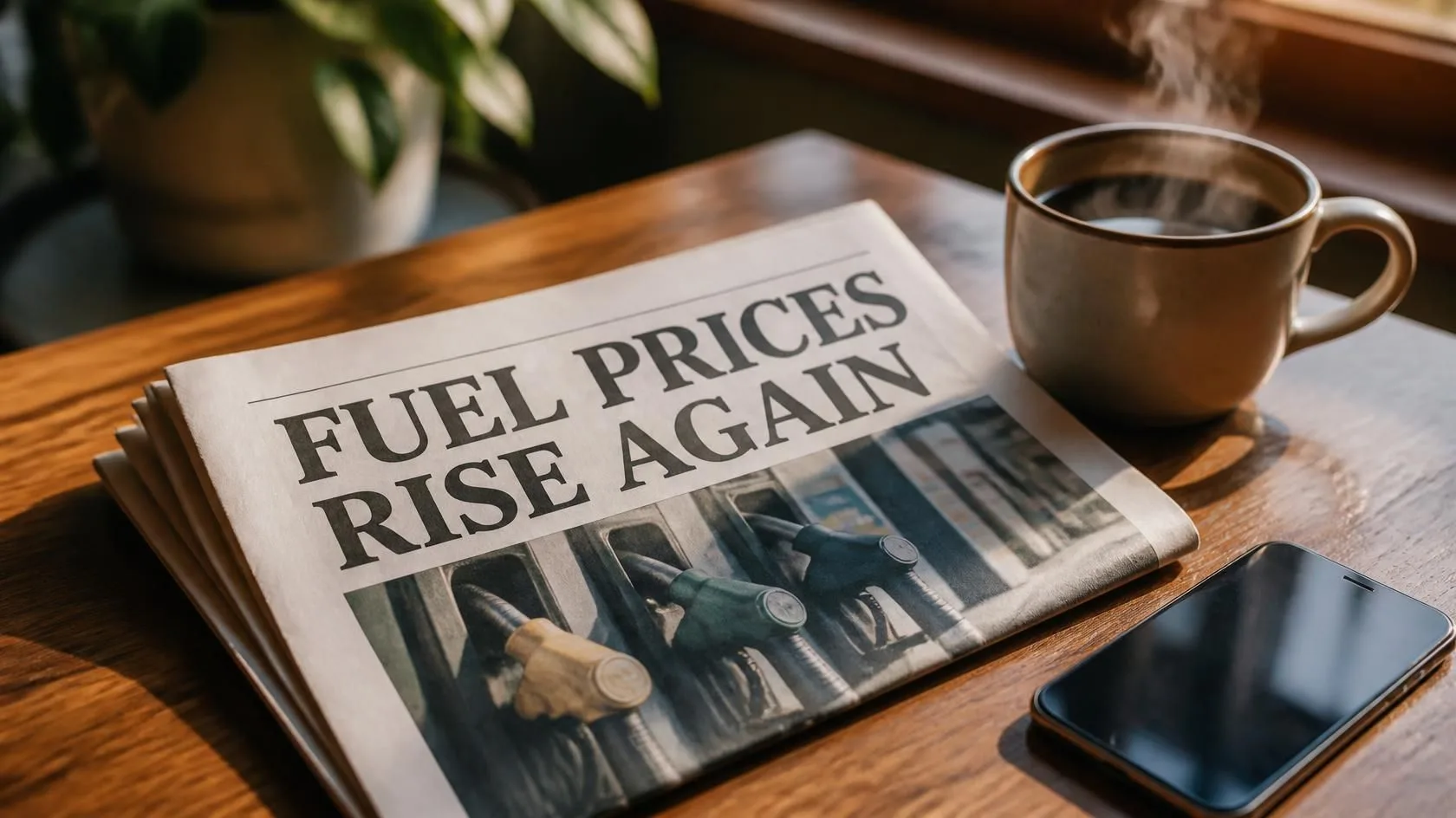
News outlets occasionally drop the ball, and Vanguard Newspaper just gave us a perfect example. Last week, they published a headline claiming petrol prices had skyrocketed to ₦1,900 per litre at private depots. Unsurprisingly, panic spread across the country instantly.
Citizens already battling inflation couldn't believe another price hike had arrived so soon. Fortunately, the terrifying number was completely wrong. Vanguard quickly issued a public retraction to set the record straight.
The Core Mistake: Petrol vs. Diesel
The editorial error boiled down to a simple mix-up between two different petroleum products. The ₦1,900 price tag actually applied to diesel, also known as Automotive Gas Oil (AGO).
Premium Motor Spirit (PMS), which we all call petrol, currently sells for significantly less. Right now, pump prices for petrol hover between ₦1,350 and ₦1,400, depending on your location and the vendor. In their official corrigendum, Vanguard explicitly apologized for swapping the two fuels and causing public anxiety.
While ₦1,400 is still incredibly high for the average Nigerian, it's far removed from the apocalyptic ₦1,900 figure they initially reported. We already saw the economic shockwaves when petrol prices surged past 1,400 naira months ago. A jump to nearly two thousand naira would have collapsed small businesses overnight.
Public Backlash and Media Trust
Nigerians did not hold back their frustration. Social media platforms exploded with criticism directed at Vanguard's editorial board. Many accused the publication of lazy journalism and failing to verify basic facts before hitting publish.
People felt the mistake was reckless. The economy remains incredibly fragile. We recently watched the naira dip to 1,382 against the dollar at the parallel market, meaning citizens are already stressed about their purchasing power. A false headline about fuel prices instantly triggers hoarding and arbitrary transport fare hikes.
Some readers pointed out that an error of this magnitude shouldn't slip past a chief editor. When a major newspaper reports a fuel price hike, independent marketers often use it as an excuse to adjust their own pump prices. Fake news in the energy sector has real-world financial consequences.
The Real Market Situation Today
So, what is the actual situation at the depots?
Diesel definitely sits at that ₦1,900 mark in several regions, especially around Warri and Port Harcourt. This heavily impacts the manufacturing and logistics sectors that rely on heavy-duty trucks and massive generators.
Petrol, meanwhile, remains slightly more stable thanks to ongoing interventions and domestic refining prospects. The federal government recently announced temporary discount initiatives to keep the price anchored. Many are also pinning their hopes on local production. The upcoming Dangote Refinery IPO signals that Nigeria might finally stop importing refined fuel entirely.
Vanguard did the right thing by quickly apologizing and correcting the record. However, this incident serves as a massive wake-up call for the media. In this current economic climate, journalists must triple-check their numbers. Panic is the last thing Nigerians need right now.
Comments (0)
Keep exploring
Related posts
 News
NYSC Releases Call-Up Numbers for Batch C: How to Check
 News
Killaboi Testifies on Girlfriend's Messages in Court
 News
Nigerians Face El Nino Heatwave with Jokes and Warnings
 News