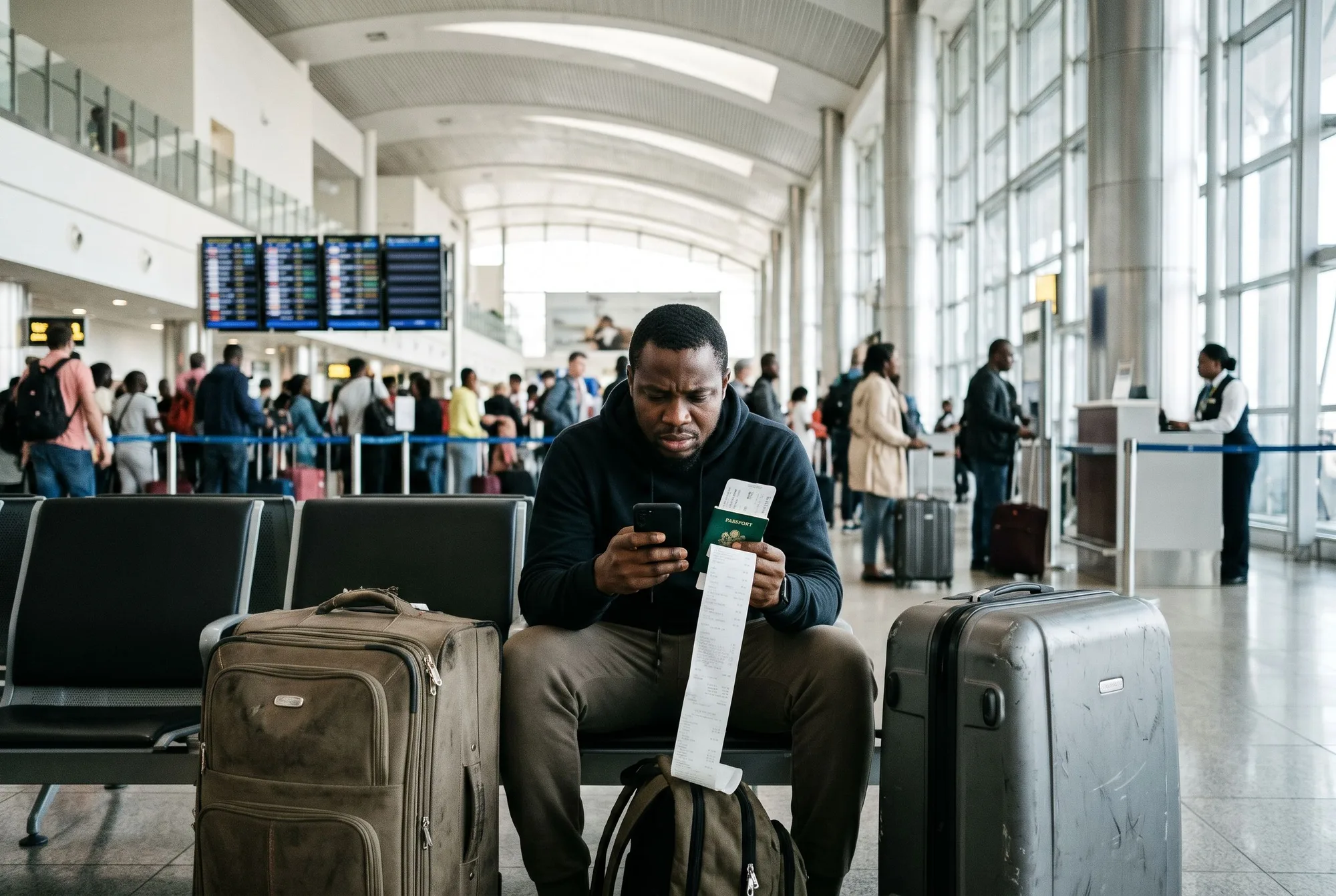
Uber Exits Nigeria: FCCPC Launches Investigation
Uber shut down its Nigerian operations without warning. Now, the FCCPC is investigating unfulfilled services and unpaid driver balances.



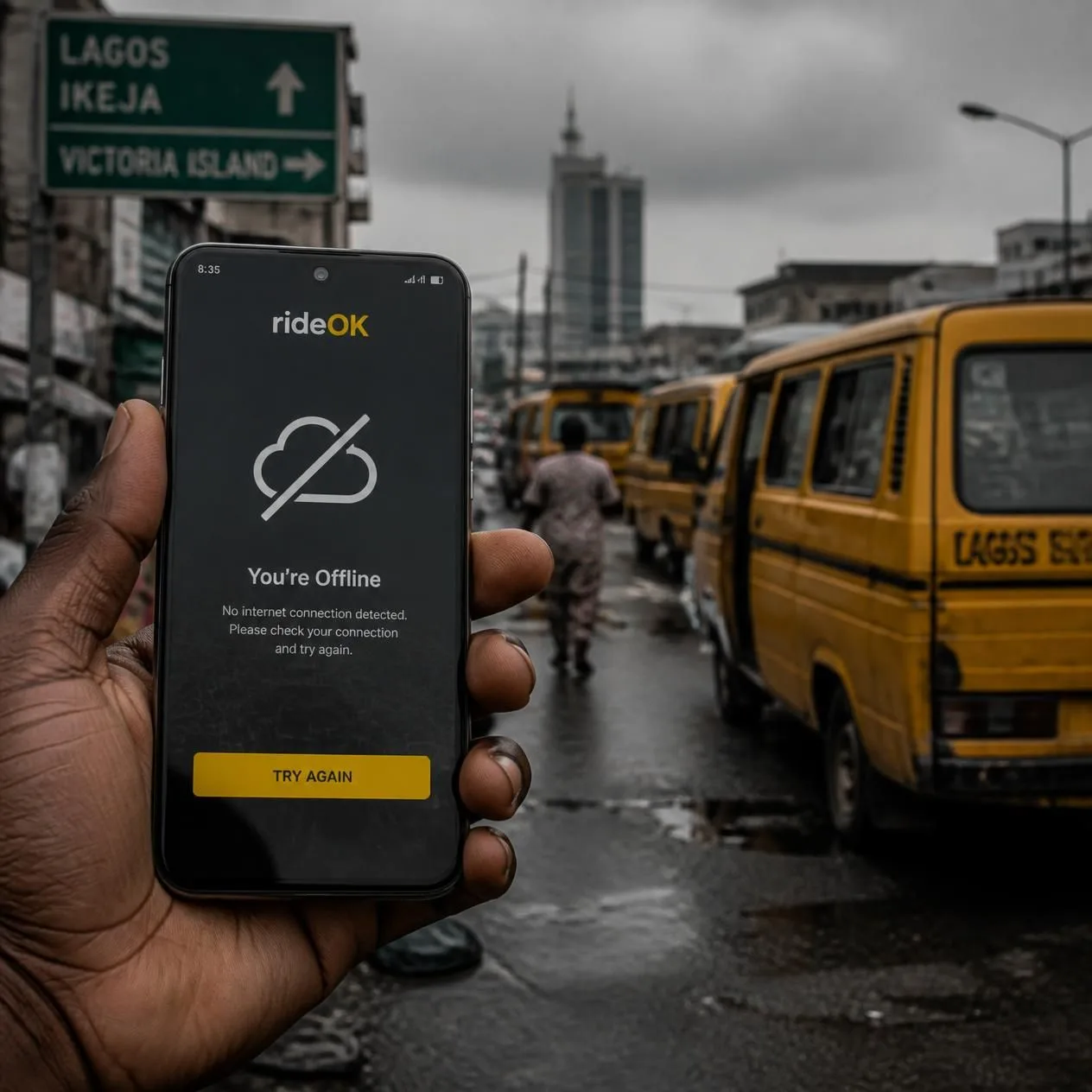
Uber's abrupt exit from Nigeria has left riders stranded and regulators asking hard questions. On September 2, 2026, the ride-hailing giant shut down its Nigerian operations without warning. This ended a 12-year run in one of Africa's biggest markets. Now, the Federal Competition and Consumer Protection Commission (FCCPC) wants answers.
The FCCPC launched an official investigation into how Uber handled its departure. Tunji Bello, the commission's CEO, told Bloomberg that regulators are focusing on unfulfilled services. They want to know what happens to customers with pending trips, stranded app credits, or unresolved disputes. You can't just flip the switch off and leave users holding the bag.
We covered the broader economic factors behind this in our deep dive on why Uber exited Nigeria. The company faced a perfect storm of rising operating costs and shrinking consumer wallets. Drivers protested repeatedly over high commission rates and low fares in recent years.
But the messy exit strategy is what triggered the government probe. The shutdown caught drivers completely off guard. Many woke up to find they could no longer accept trips. Regulators are examining unpaid driver balances alongside rider complaints.
Uber's departure didn't happen in a vacuum. A recent clash with the Federal Airports Authority of Nigeria (FAAN) highlighted the tension. FAAN wanted ride-hailing platforms to take direct legal responsibility for passenger safety at airport terminals. Uber pushed back. They insisted drivers were independent contractors. They argued passengers should rely on in-app safety features instead. FAAN held its ground, demanding strict liability clauses.
This regulatory friction, combined with intense market competition, forced Uber's hand. Competitors like Bolt and inDrive are already moving to capture the abandoned market share.
This exit mirrors broader corporate shifts. On the exact same day it left Nigeria and Uganda, Uber announced global restructuring plans. They cut over 3,000 management jobs worldwide. They are clearly trimming operations to protect their core business margins.
The FCCPC probe will test how much power Nigerian regulators have over departing multinational tech firms. If the commission uncovers major consumer rights violations, it could set a harsh precedent for other tech platforms.
Here is a quick look at the major players still operating in Nigeria's ride-hailing market:
Platform | Market Position | Key Differentiator |
Bolt | Market Leader | Deep market penetration across multiple states |
inDrive | Strong Challenger | Fare negotiation system appeals to cost-conscious riders |
Rida | Emerging Player | Zero commission for drivers during launch phases |
LagRide | Niche Local | Government-backed, structured vehicle financing |
We will keep tracking the FCCPC investigation as it unfolds. Riders and drivers owed money should file formal complaints with the consumer protection commission immediately.
Comments (0)
Keep exploring
Related posts
 News
NYSC Releases Call-Up Numbers for Batch C: How to Check
 News
Killaboi Testifies on Girlfriend's Messages in Court
 News
Nigerians Face El Nino Heatwave with Jokes and Warnings
 News