Uber Exits Nigeria: Why The Ride-Hailing Giant Left
Uber abruptly shut down operations in Nigeria after 12 years. Discover the real economic reasons behind their exit and what happens next for drivers.



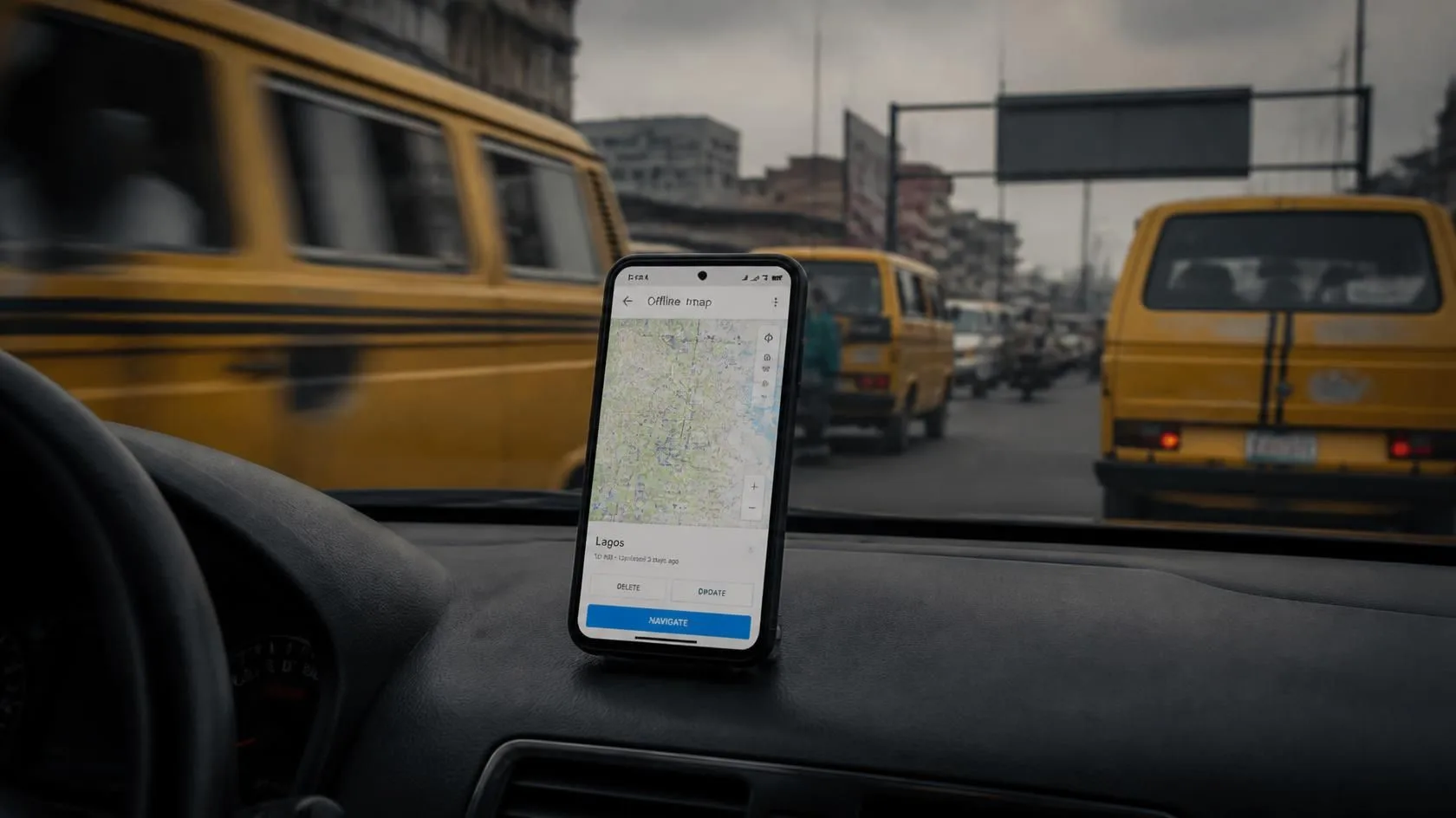
It happened without warning. Drivers and riders were literally mid-trip when the app suddenly went dark on September 2, 2026. After 12 years of pioneering the ride-hailing market in Africa's most populous nation, Uber packed its bags.
They didn't just leave Nigeria. They also abruptly exited Uganda, shrinking their African footprint down to just four countries: Egypt, Ghana, Kenya, and South Africa.
Why did a multi-billion dollar tech giant abandon a market of over 200 million people?
The official corporate line blames a global restructuring. CEO Dara Khosrowshahi is eliminating roughly 3,300 jobs worldwide - about 10% of the company's workforce. According to Bloomberg, the ride-hailing giant is pivoting hard toward higher-return investments, specifically autonomous vehicles and robotaxis.
But the reality on the ground in Lagos tells a much deeper story about operating in Nigeria right now.
The Breaking Point: Fuel and Inflation
Let's talk about the real cost of doing business. When Uber launched in Lagos back in 2014, the economic climate looked vastly different. The naira was relatively stable. Petrol was cheap.
Fast forward to 2026, and double-digit inflation has severely eroded consumer purchasing power.
The removal of the fuel subsidy in 2023 was a massive shock to the system. Pump prices skyrocketed almost overnight. Suddenly, drivers found themselves spending most of their daily earnings just to keep their tanks full. You can't run a low-cost ride-hailing service when the underlying unit economics of driving are completely broken.
This economic pressure isn't isolated to consumer apps. We've seen similar shifts across foreign investments. The broader macroeconomic climate has grown increasingly hostile to foreign capital, highlighted recently when FTSE Russell reclassified Nigeria from a frontier to an unclassified market. Foreign companies require predictable returns. Massive FX volatility makes that nearly impossible to achieve.
The Driver Revolt
Then there's the relationship with the drivers themselves. For years, Nigerian Uber drivers complained bitterly about the platform's pricing model. Fares stayed artificially low to attract riders. Meanwhile, vehicle maintenance and fuel costs soared. Through it all, Uber continued taking its standard commission cut on every ride.
Drivers protested. They went on strike multiple times. Some organized independent unions to demand better working conditions.
While Uber refused to fundamentally alter its core pricing structure, agile competitors smelled blood. Companies like Bolt, inDrive, and several local players aggressively chipped away at Uber's market share. They offered better driver incentives. Some introduced flexible commission structures or allowed riders and drivers to negotiate fares directly. It became a fierce race to the bottom. Ultimately, Uber simply chose not to run that race anymore.
A Digital Paradox
Uber's failure here presents a fascinating paradox. On paper, the country is a tech investor's dream. The population is young and heavily connected. In fact, broadband penetration continues to surge, with telecom subscribers hitting 192 million recently.
But digital access doesn't always translate into profitable physical operations. An app works perfectly over a 4G network. The car it summons, however, still needs expensive petrol and good roads to function. Uber mastered the software side but couldn't fix the hardware of the Nigerian economy.
What Happens Next?
The abrupt nature of this exit left a sour taste. Social media exploded with stories of riders abandoned mid-trip. Drivers found themselves instantly locked out of their primary source of income without the customary weeks of notice. Uber claims their help center will remain open until September 23 to settle outstanding financial issues, but the damage to their brand reputation is permanent.
Local operators and direct rivals are already swooping in to grab the discarded market share. But they face the exact same structural problems. The cost of petrol isn't dropping. Inflation is still biting hard.
Uber's exit sends a sharp, undeniable signal to the tech ecosystem. Scale alone doesn't guarantee survival. If the local macro environment doesn't support your business model, you will eventually bleed out. As Uber shifts its global resources to robotaxis in London, Nigerian riders and drivers are left to figure out their next move.
Comments (0)
Keep exploring
Related posts
 Lifestyle
New Nigerian Postal Code: Complete Guide & Codes by State
 Lifestyle
Influencer Freyy Detained Amid Feud With Odumodublack
 Lifestyle
Air Peace Leaves Passengers Stranded Overnight at Airport
 Lifestyle