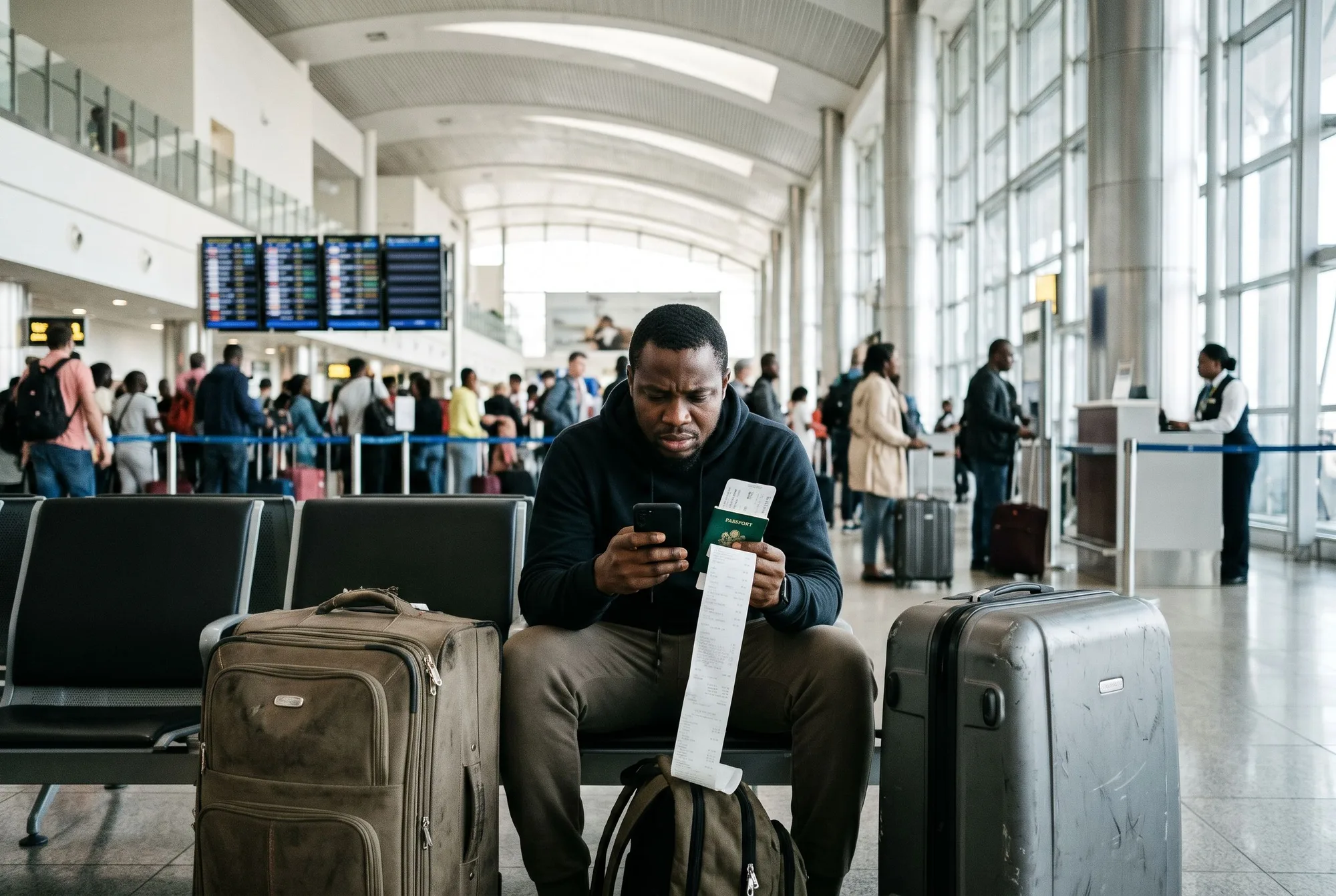
Nigeria's National Grid Crashes to 476MW in Massive Outage
Nigeria's power generation crashed from 3,840MW to just 476.70MW on Monday, plunging millions into darkness. Read the full breakdown of the latest grid failure.



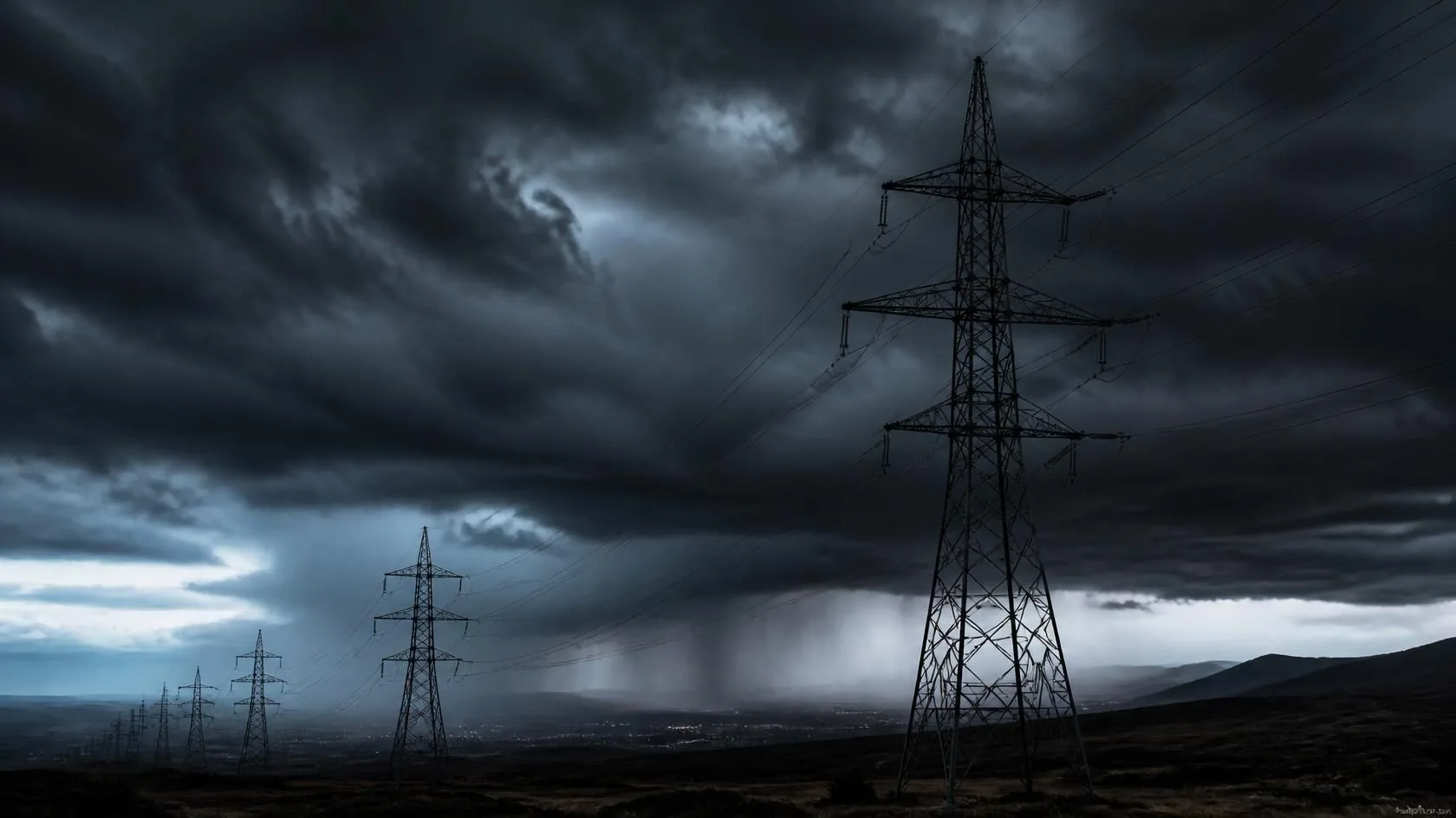
Nigeria is in the dark again. Just when businesses thought power generation was stabilizing, the national grid took another massive hit. On Monday afternoon, electricity generation crashed from a manageable 3,840 megawatts down to a dismal 476.70 megawatts. This wasn't a slow decline. The sharp drop happened almost instantly around 12:40 pm. Within minutes, millions of homes and businesses lost power.
When the grid fails, the financial burden shifts directly to citizens. People fire up their generators. This is a painful alternative right now because petrol prices recently surged past 1,400 Naira. A power outage of this magnitude paralyzes everything from small retail shops to large manufacturing hubs.
What exactly went wrong this time?
Data from the Nigerian Independent System Operator (NISO) paints a bleak picture. Several major power plants dropped to absolute zero output. This includes massive facilities like Egbin, Jebba, Shiroro, and Kainji.
However, NISO officials hesitate to call it a total collapse. They prefer to classify it as a severe system disturbance. Yet, by early afternoon, only five generating companies were still pushing electricity into the grid.
Distribution companies, often called DisCos, immediately felt the squeeze. Both Ikeja Electric and the Abuja Electricity Distribution Company (AEDC) sent out notices about severe supply constraints. They blamed reduced grid allocation and asked customers for patience while technical teams worked on the issue.
While major plants went entirely dark, a few managed to keep their turbines spinning.
Power Plant | Output Status (1:00 PM) |
Egbin | 0 MW |
Shiroro | 0 MW |
Kainji | 0 MW |
Odukpani | Active |
Omotosho | Active |
The government recently flagged off new mini-grid solar projects, but these are a drop in the ocean. You cannot power heavy industries with isolated community solar panels. The country desperately needs a decentralized, robust power infrastructure supported by the Nigerian Electricity Regulatory Commission (NERC). Without actual structural reform, the grid will keep shedding loads, and the economy will keep paying the price.
Comments (0)
Keep exploring
Related posts
 Lifestyle
New Nigerian Postal Code: Complete Guide & Codes by State
 Lifestyle
Influencer Freyy Detained Amid Feud With Odumodublack
 Lifestyle
Air Peace Leaves Passengers Stranded Overnight at Airport
 Lifestyle