
Nigeria’s Inflation Rate Drops to 14.63% in September
Nigeria’s headline inflation rate declined to 14.63% in September 2026. Find out how falling food prices are easing economic pressure.



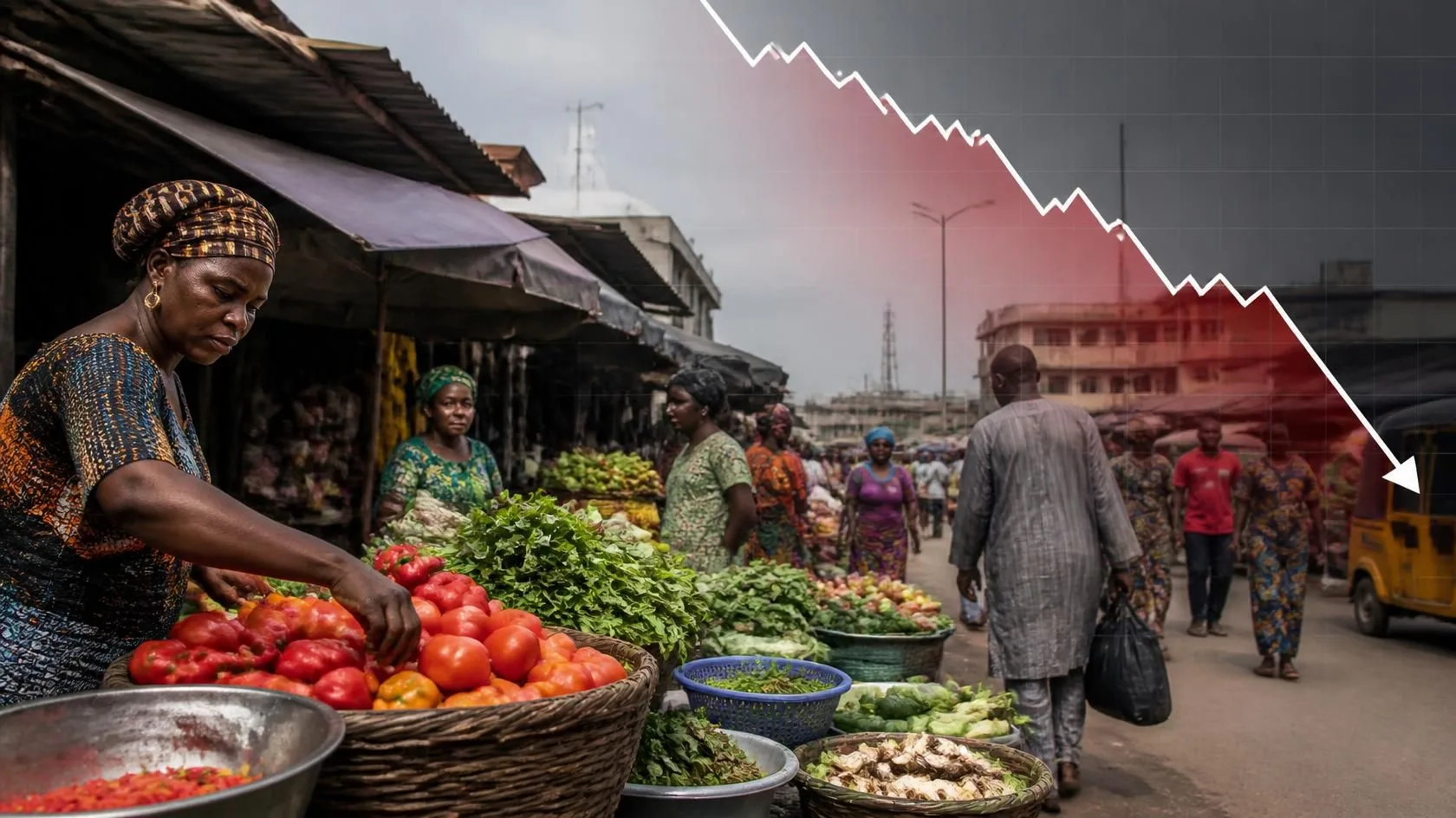
Nigeria finally caught a break on the economic front. After months of squeezing household budgets, the headline inflation rate dropped to 14.63 percent in September 2026.
This marks the third consecutive month of decline. It is a rare piece of good news for an economy that has seen significant turbulence.
The National Bureau of Statistics (NBS) confirmed the numbers in its latest Consumer Price Index report. The drop from August’s 15.39 percent offers a glimmer of hope.
Here is exactly what the data reveals.
The NBS Report at a Glance
The September figures show a massive improvement compared to last year. In September 2025, inflation stood at a punishing 20.98 percent. The current drop represents a 6.35 percent year-on-year decrease.
The month-on-month data is even more encouraging. The inflation rate in September 2026 was just 0.06 percent. That is a sharp drop from the 0.71 percent recorded in August. This means the rate of price increases has slowed down drastically.
Food Prices Finally Retreat
Food inflation has been the biggest pain point for most Nigerians. The cost of basic staples had skyrocketed over the past year. Thankfully, food inflation also declined. The rate fell to 19.59 percent in September.
This is noticeably lower than the 20.16 percent recorded during the same month last year. While nearly 20 percent food inflation is still high, the downward trend matters. A moderation in food prices directly impacts the average family's daily survival.
The Broader Economic Reality
Despite the positive NBS data, the street reality remains complicated. Easing inflation simply means prices are rising slower. It does not mean prices are falling back to old levels.
Many households are still trying to balance their budgets. Recent spikes in transport costs, particularly after petrol prices surged past 1,400 Naira, offset some of these gains. The foreign exchange market also remains volatile. The recent news of the Naira dipping to 1,382 against the dollar means imported goods will remain expensive.
Policymakers will likely view these inflation figures closely before their next meeting. For now, the latest data from the NBS shows the country is heading in the right direction.
Economic Metric | September 2025 | August 2026 | September 2026 |
Headline Inflation | 20.98% | 15.39% | 14.63% |
Month-on-Month Increase | N/A | 0.71% | 0.06% |
Food Inflation (Y-o-Y) | 20.16% | N/A | 19.59% |
Comments (0)
Keep exploring
Related posts
 Business
Naira Dips, Hits ₦1,382 per Dollar in Parallel Market
 Business
Dangote Refinery Plans $1.5 Billion IPO: What Investors Need to Know
 Business
FTSE Russell Reclassifies Nigeria to Frontier Market
 Business