
Mistaken Bank Transfers: Refusing to Refund Risks Jail
The Central Bank of Nigeria warns that refusing to return mistakenly transferred money is a crime carrying a harsh 10-year prison sentence.



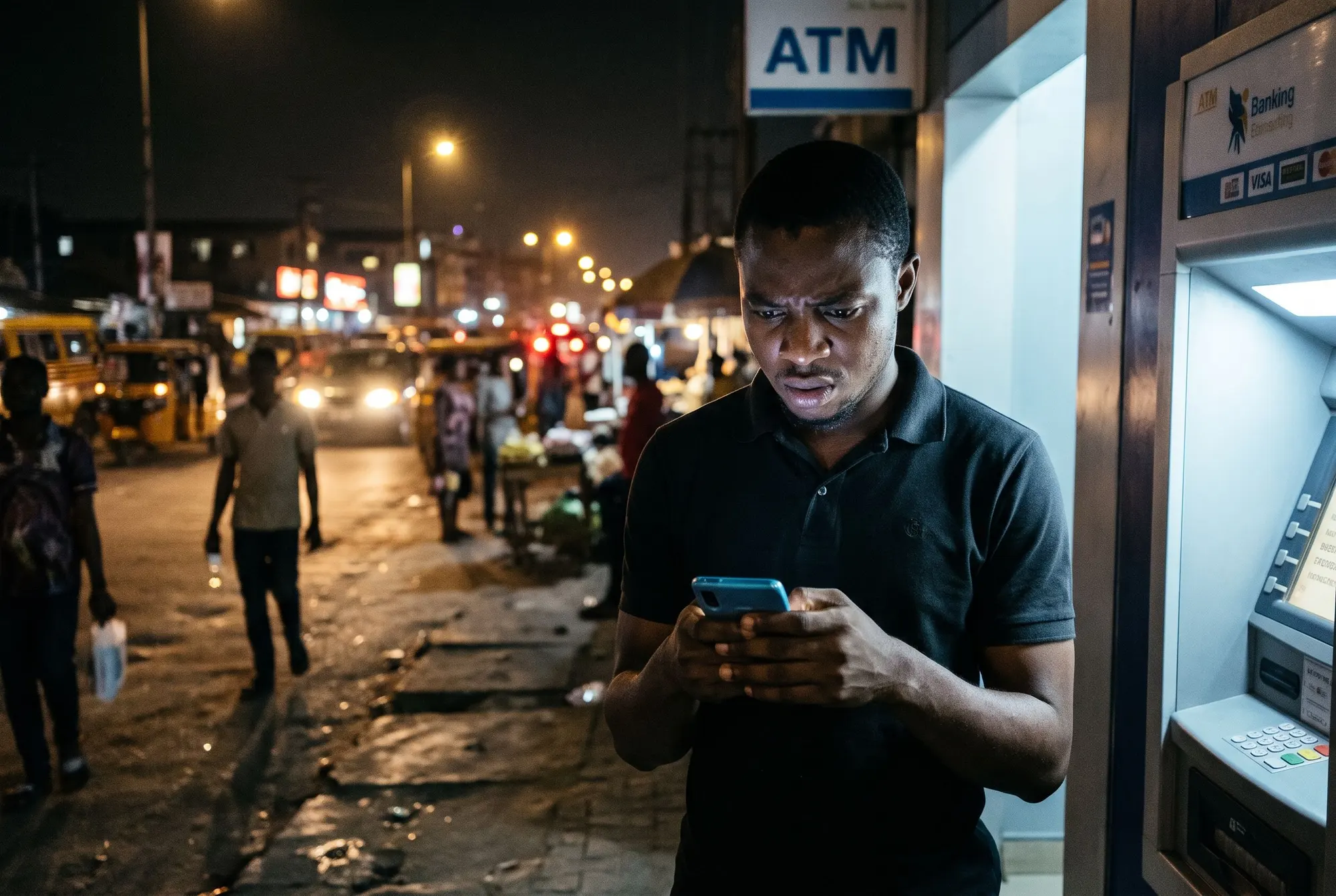
Getting an unexpected credit alert used to feel like hitting a small jackpot. A random ₦500,000 drops into your account, and you immediately think of pending bills. Think again. That free money is actually a direct ticket to a prison cell.
The Central Bank of Nigeria (CBN) just issued a severe warning to all bank customers. If someone mistakenly transfers money to your account and you refuse to return it, you face between five and ten years in prison. CBN Governor Olayemi Cardoso delivered this message through spokesperson Hakama Sidi Ali during a recent stakeholders' meeting in Ibadan. The rules are crystal clear. You cannot keep what doesn't belong to you.
Many Nigerians treat erroneous transfers as a sudden blessing. They quickly move the funds to a different account. Some even rush to the nearest ATM to withdraw the cash entirely. The law views this as outright theft. Under Nigerian financial regulations, converting mistakenly deposited funds for personal use is a severe financial crime. Financial ignorance is never a valid excuse in court. Law enforcement agencies treat these domestic theft cases with the same intensity as the two Nigerians recently sentenced for US cyber fraud.
Imagine a scenario where a struggling merchant mistakenly sends you ₦2 million meant for suppliers. As the Naira dips in the parallel market, that money represents their entire livelihood. When you spend it, you destroy their business. Banks now possess strict tracking mechanisms. They will find you, freeze your accounts, and hand you over to the authorities. We have already seen massive EFCC crackdowns on corrupt practices across the country. Ordinary citizens are certainly not exempt from this scrutiny.
Sometimes the bank itself makes an administrative error. Even in those cases, spending the money constitutes fraud. Financial institutions are actively working alongside fintech companies, mobile money operators, and state governments to track down unauthorized fund retention. The CBN also advises customers to strictly protect their account information. Scammers often use fake mistaken transfers to trick victims into sending their own money back to them.
So, what exactly should you do if an unknown sum suddenly appears in your balance? Do not touch the money.
Step | Action Required | Reason |
1 | Do Not Spend It | Spending proves your intent to steal the funds. |
2 | Notify Your Bank | Let your bank officially document the erroneous credit. |
3 | Request a Reversal | Ask customer service to initiate a formal reversal process. |
4 | Ignore Direct Callers | Fraudsters might call pretending to be the sender. Let the bank handle it. |
The CBN provides a safety net for these tricky situations. They mandate that unresolved complaints regarding mistaken funds must be properly escalated. Customers can report lingering issues directly to the CBN's Consumer Protection and Financial Inclusion Department. This department exists specifically to handle banking disputes that your local branch fails to resolve. You shouldn't try to settle a mistaken transfer privately with a frantic stranger calling your phone. Always use official banking channels to return the money.
A momentary thrill of unexpected cash simply isn't worth a decade behind bars. Financial integrity protects you from unnecessary legal battles. Next time your phone buzzes with a massive credit alert you didn't work for, contact your bank immediately. Your freedom depends on it.
Comments (0)
Keep exploring
Related posts
 News
NYSC Releases Call-Up Numbers for Batch C: How to Check
 News
Killaboi Testifies on Girlfriend's Messages in Court
 News
Nigerians Face El Nino Heatwave with Jokes and Warnings
 News