
Lagos POS Operators Face New 300 Naira Weekly Levy
Lagos POS operators are fighting back against a new 300 naira weekly tax levy imposed by local councils. Here is how this impacts everyday Nigerians.



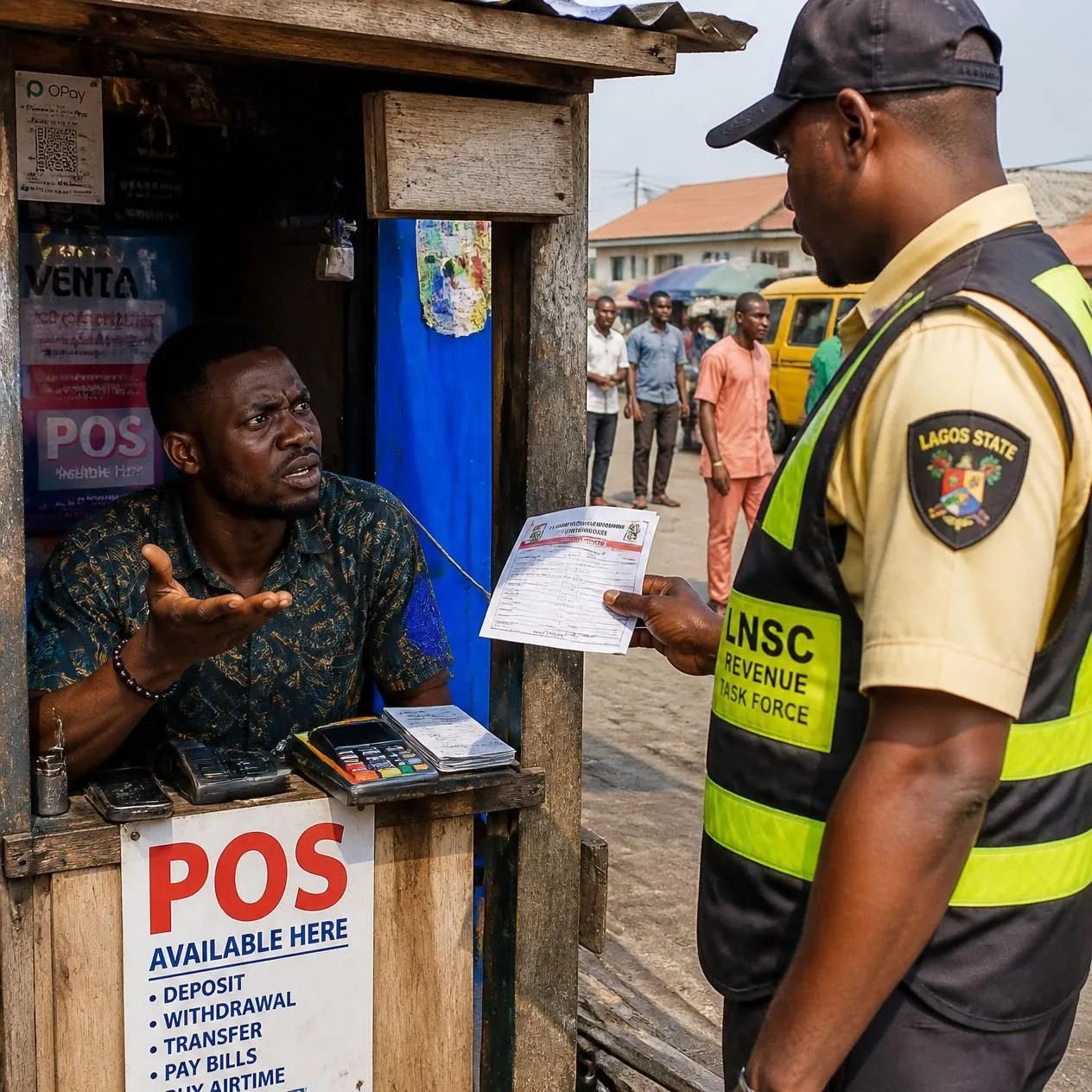
If you walk down any street in Lagos, you'll spot them under umbrellas or inside small wooden kiosks. Point of Sale (POS) operators have become the unofficial bankers for millions of Nigerians. But running this roadside business is getting harder every day.
Recently, operators across Lagos woke up to a frustrating new reality. Local council authorities started enforcing a 300 naira weekly tax levy on POS agents. That sounds like a small amount to the average politician. It isn't. You have to factor in the sheer number of other unofficial taxes these agents already pay just to keep their kiosks open.
The Heavy Burden on Small Businesses
A typical POS operator in areas like Ikeja or Agege makes a tiny profit on every single transaction. They charge customers around 100 naira to withdraw 5,000 naira. Out of that fee, the banks and switching companies take their own cut. The operator keeps a small fraction.
Now, local government enforcers want 300 naira every week.
This new levy doesn't exist in a vacuum. Operators already deal with high inflation and the rising cost of printing paper for their machines. The Association of Mobile Money and Bank Agents in Nigeria (AMMBAN) constantly fights against these arbitrary charges. In the past, some local council development areas in Lagos tried imposing daily fees. Today, this weekly tax is the latest headache.
For someone making just enough to feed their family, every single naira counts. You have to wonder what can 551 million a month actually buy in Nigeria when everyday citizens are out here fighting for survival over 300 naira.
Extortion or Legitimate Revenue?
Local councils argue they need the revenue to develop the state. They claim anybody using the government's road setback for business must pay their fair share to the system.
The operators see it completely differently. They call it blatant extortion.
Many agents don't even get official government receipts for these payments. Unofficial ticket collectors, often referred to as "agberos," simply show up at the kiosks. If an operator refuses to pay, these enforcers will seize the POS machine or violently shut down the stand.
The Lagos State House of Assembly recently pushed a Harmonised Taxes and Levies Bill to stop this madness. The goal is to end multiple taxation and illegal roadblocks by unauthorized people. But on the streets, the new 300 naira weekly levy proves that local enforcers are still running the show. According to reports by The Guardian Nigeria, roadside traders and small business owners still face daily harassment from officials demanding unregulated weekend money.
Customers Will Pay the Price
When a business faces higher operating costs, they pass those costs down to the consumer. POS operators are no different.
If this weekly tax remains, agents will simply increase their transaction fees. We saw this happen during the cash scarcity crisis. Operators jacked up their prices because getting cash from the bank became a nightmare. Even though the naira strengthens and dollar liquidity improves on a macroeconomic level, the reality on the street remains very harsh. Ordinary Nigerians will bear the brunt of this new tax every time they need quick cash to buy groceries or pay for transport.
What Happens Next?
AMMBAN leaders are urging their members to resist illegal taxes. They insist that the only valid payment is a standard shop and trade permit. Anything outside of that is completely unacceptable.
Resisting a group of aggressive enforcers is dangerous. Most operators just pay the 300 naira to buy peace of mind.
Lagos state authorities need to step in and take real action. If the government truly wants to promote financial inclusion, they can't let local councils treat mobile money agents like endless cash cows. These operators provide a vital service in areas where traditional banks refuse to open branches. Taxing them out of business helps absolutely no one.
Comments (0)
Keep exploring
Related posts
 News
NYSC Releases Call-Up Numbers for Batch C: How to Check
 News
Killaboi Testifies on Girlfriend's Messages in Court
 News
Former Delta Governor Emmanuel Uduaghan Dies at 71
 News