
Understanding Religious Violence Against Hindus in India
Explore the history and recent news regarding targeted attacks on Hindus in India. Learn about the challenges of tracking communal violence data effectively.



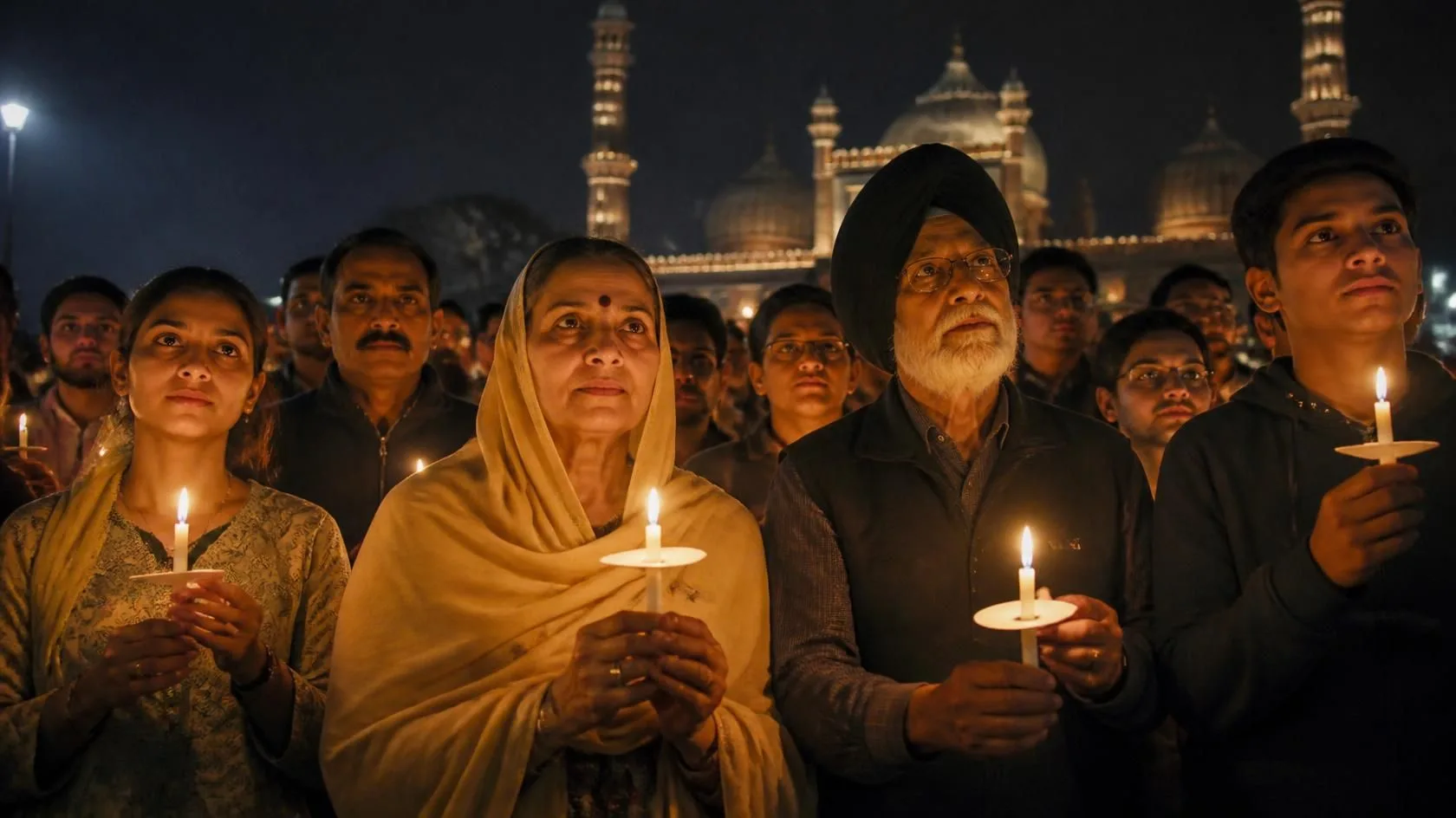
India is a land of diverse cultures and religions. However, this diversity sometimes leads to tragic conflicts. Religious violence is a deeply sensitive issue in the country. Over the years, many communities have faced brutal attacks. This includes tragic incidents where Hindus were targeted and killed. Understanding these events requires looking at both history and recent news. Therefore, we must examine the facts carefully and objectively.
The Historical Roots of Violence
The roots of communal violence in India run deep. The 1947 Partition was a particularly bloody period. Before the new borders were drawn, extreme violence erupted across the region. For example, the Great Calcutta Killings of 1946 left thousands dead. Hindus and Muslims both suffered massive casualties during this dark time.
Furthermore, millions were uprooted from their ancestral homes. The violence of the Partition era left permanent scars on the nation. Consequently, these historical events still influence modern communal dynamics.
Targeted Attacks in Jammu and Kashmir
Unfortunately, violence against Hindus still occurs in certain regions today. Jammu and Kashmir has seen a disturbing rise in targeted attacks. Armed groups often target non-local migrant workers and religious minorities.
Recently, two labourers from Chhattisgarh were tragically killed in Kulgam. Terrorists attacked these workers in a deliberate act of violence. Security forces quickly launched massive search operations to find the attackers.
Moreover, international organisations have strongly condemned these brutal acts. Amnesty International frequently urges authorities to protect minority groups from such targeted killings. They state that attacks on civilians can never be justified.
Shocking Isolated Incidents
Sometimes, targeted violence happens outside of conflict zones. In 2022, a shocking incident occurred in Rajasthan. Two men brutally murdered a Hindu tailor in Udaipur. The attackers filmed the crime and posted it online. This horrific act sparked massive outrage across the entire country.
However, prominent Indian Muslim organisations quickly condemned the killing. Leaders clearly stated that no one can take the law into their own hands. Consequently, police arrested the suspects rapidly, and the government restored order. This shows that civil society strongly rejects such extremism.
Data and Reporting Challenges
Tracking communal violence accurately is a major challenge. The National Crime Records Bureau (NCRB) is responsible for publishing this crime data. However, experts point out flaws in how incidents are recorded.
Some independent reports suggest a complex picture of communal riots. The Centre for Study of Society and Secularism closely monitors these troubling trends. Sometimes, the religious motive behind the violence is absent from official records. Therefore, understanding the true scale of the problem remains difficult. Accurate data is crucial for preventing future tragedies.
The Path Forward
Every life lost to communal violence is a profound tragedy. Human rights must be protected for all citizens, regardless of religion. Law enforcement agencies face a tough challenge in maintaining peace. Furthermore, political leaders and everyday citizens must work together. Communities need to build trust and actively reject extremism. Ultimately, India's true strength lies in its peaceful coexistence.
Comments (0)
Keep exploring
Related posts
 News
NYSC Releases Call-Up Numbers for Batch C: How to Check
 News
Killaboi Testifies on Girlfriend's Messages in Court
 News
Nigerians Face El Nino Heatwave with Jokes and Warnings
 News