NIMet Flood Alert: 13 Nigerian States Face High Risks
Discover the latest NIMet flood alert for Nigeria. Learn which 13 states are at high risk, potential impacts, and vital safety tips to protect your family.



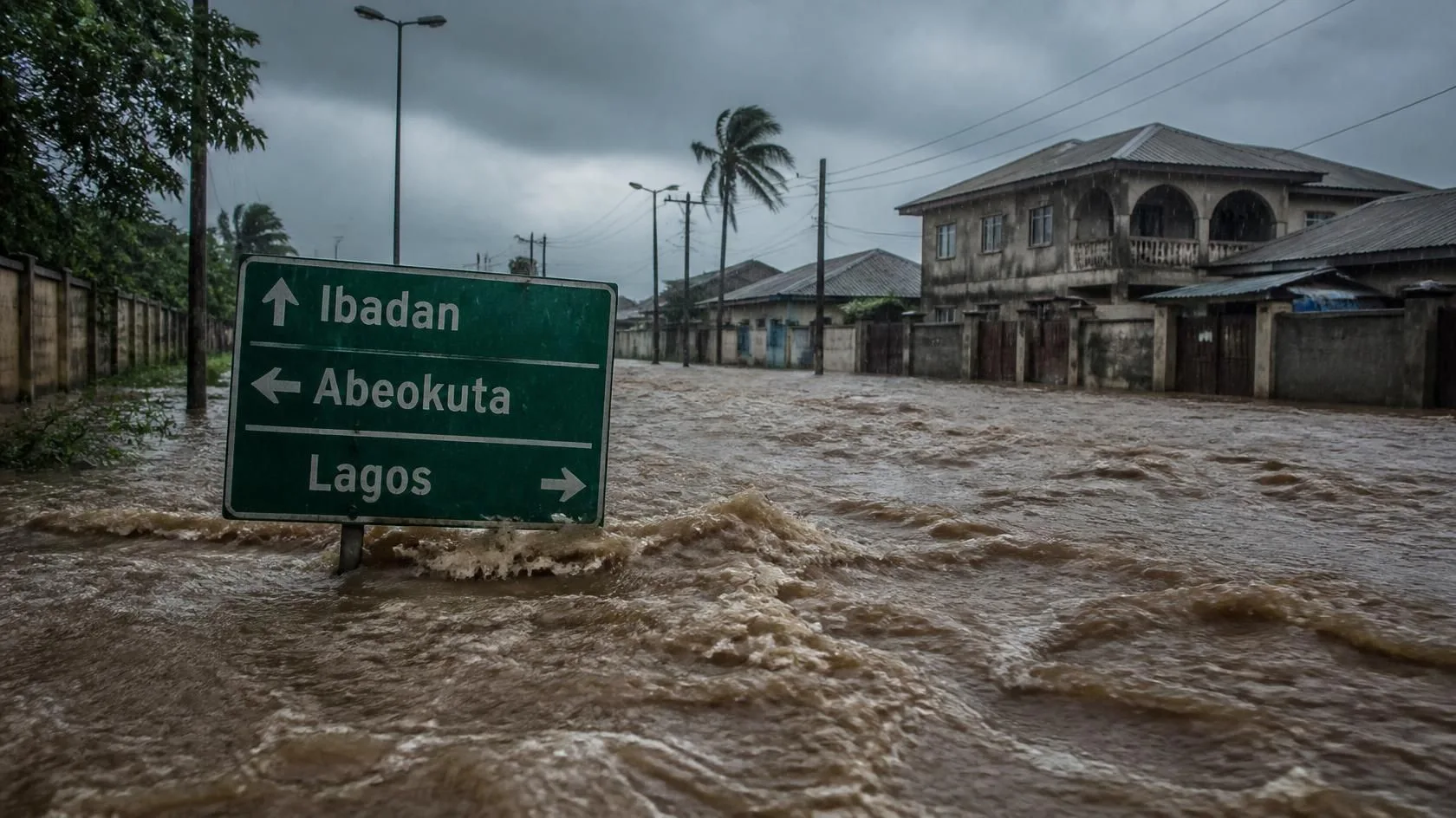
The rainy season in Nigeria often brings much-needed relief to farmers. However, it also brings severe weather challenges. Recently, the Nigerian Meteorological Agency (NiMet) issued a critical flood alert. This warning covers multiple states across the federation. Therefore, residents must prepare immediately.
Flash floods are incredibly dangerous. They happen fast and leave massive destruction behind. Moreover, ignoring these warnings often leads to tragic property loss. Understanding this alert can literally save your life.
Why Is NiMet Sounding The Alarm?
You might wonder why this specific alert is so urgent. The agency constantly monitors rainfall intensity and soil moisture. Currently, the soil in many regions is already heavily saturated. Consequently, the ground cannot absorb any more water.
When intense early rains occur, surface runoff increases dramatically. This excess water quickly floods low-lying areas. It also easily overwhelms poor urban drainage systems. Furthermore, NiMet considers drainage capacity and local terrain when making these accurate predictions.
The 13 States at High Risk
NiMet recently identified 13 specific states facing an elevated risk of flash floods. This latest advisory forecast targets the period between August 11 and 20, 2026. Residents in these areas must remain highly vigilant.
Below is a breakdown of the high-risk zones.
Region | States Affected | Risk Level |
North West | Sokoto, Zamfara, Kebbi, Kaduna | High |
North Central | Niger, Nasarawa, Plateau, Benue, Kogi | High |
North East | Adamawa, Taraba | High |
South South | Cross River, Akwa Ibom | High |
Leaders are also demanding better infrastructure. For instance, northern senators recently called for a permanent solution to recurring floods in Niger State. Relying solely on emergency relief is no longer enough.
Potential Impacts on Daily Life
The predicted floods will likely disrupt normal daily activities. Firstly, floodwaters frequently block major roads. This quickly cuts off entire communities from essential supplies.
Furthermore, extreme weather damages vital infrastructure. NiMet clearly warns of potential disruptions to electricity. Telecommunication networks might also fail temporarily during heavy storms. Additionally, heavy rain drastically reduces visibility. Therefore, aviation and road transport operations face serious, immediate risks.
Essential Safety Tips
Preparation is your best defense against extreme weather. You should never wait for water to enter your home. Act early instead. Here are simple steps to protect your family.
First, clear all gutters and drainage channels around your house. Blocked drains trap water and worsen local flooding. Secondly, pack a basic emergency kit. Include important documents, medications, and clean drinking water.
Also, stay updated. You can check official forecasts directly on the Nigerian Meteorological Agency website. Finally, avoid driving or walking through flooded roads. Just a few inches of fast-moving water can sweep you away.
Conclusion
Climate change makes extreme weather events more common today. However, accurate early warnings help us adapt quickly. NiMet has done its job by issuing this crucial flood alert. Now, the responsibility falls on citizens and local governments. We must take proactive steps today. Stay alert, stay dry, and always prioritize your safety.
Comments (0)
Keep exploring
Related posts
 News
NYSC Releases Call-Up Numbers for Batch C: How to Check
 News
Killaboi Testifies on Girlfriend's Messages in Court
 News
Former Delta Governor Emmanuel Uduaghan Dies at 71
 News