A Life Dedicated to the Cure Cut Short by Cancer
Exploring the tragic irony and immense dedication of cancer researchers who ultimately face the very disease they fought to cure.



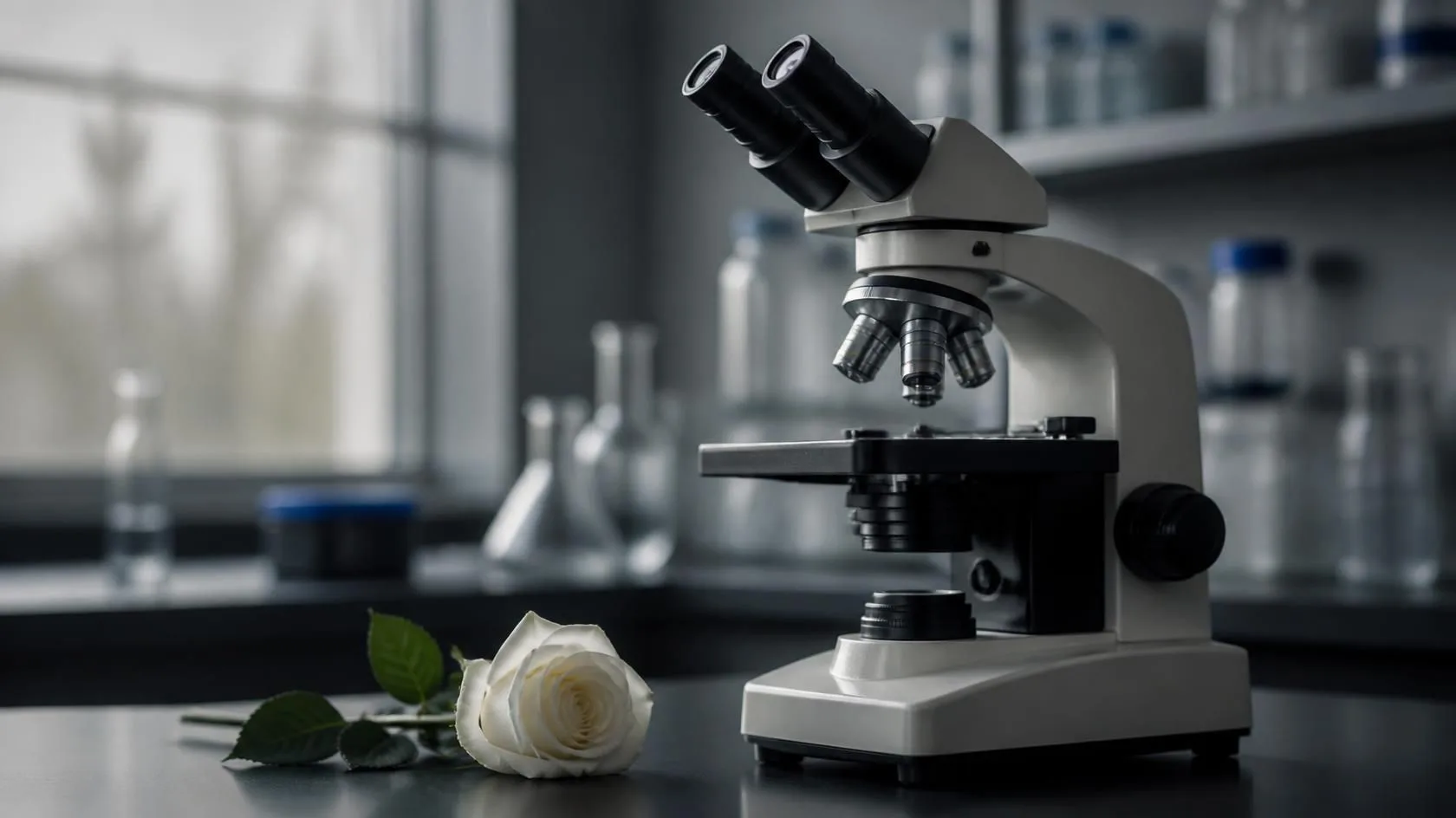
The cruelest twists of fate often happen in the medical field. A cardiologist suffers a fatal heart attack. A neurologist develops early-onset Alzheimer's. Yet, few things feel as profoundly unjust as a dedicated cancer researcher dying from the exact disease she spent decades trying to eradicate.
It feels like a betrayal by the very cells she studied.
For years, her life revolved around pipettes, centrifuges, and endless data sets. She spent her weekends in sterile labs, staring through microscopes at aggressive tumor strains. She understood the enemy better than anyone. She knew how it mutated, how it evaded the immune system, and how it eventually overcame the body’s defenses.
Then, the unthinkable happened. The symptoms started. The tests were run. She found herself sitting on the other side of the doctor’s desk, hearing the very diagnosis she had delivered to countless lab models and clinical trial files.
When a specialist becomes a patient, the psychological toll is immense. She didn't have the luxury of false hope. According to the National Cancer Institute, understanding the precise biological mechanisms of a rare cancer means understanding its dismal survival rates. She knew exactly what her pathology report meant. She knew the side effects of the chemotherapy regimens because she likely helped test the compounds.
Despite the grim prognosis, researchers in this position rarely walk away from their work. They often double down. They use their own bodies as case studies. They provide tissue samples to their colleagues, turning their own tragedy into one final, desperate data point to help future generations.
The medical community loses more than just a brilliant mind when this happens. They lose a driven advocate. The fight against cancer relies heavily on this deep, human dedication. We are reaching a point where technology handles the heavy lifting of data analysis. Much like how experts debate the ways AI threatens and reshapes humanity, machine learning is now predicting protein structures in days rather than decades. But an algorithm cannot replicate the burning drive of a scientist trying to save lives.
Her passing is a harsh reminder that cancer remains a relentless adversary. It does not care about your resume, your published papers in The Lancet, or your noble intentions. It is a biological error that spares no one.
Her lab coat may hang empty, but her legacy is written into the protocols she established and the younger scientists she mentored. Every future breakthrough in that lab will carry a piece of her life's work. She did not find the cure in time to save herself. But because of her, someone else eventually will.
Comments (0)
Keep exploring
Related posts
 News
NYSC Releases Call-Up Numbers for Batch C: How to Check
 News
Killaboi Testifies on Girlfriend's Messages in Court
 News
Nigerians Face El Nino Heatwave with Jokes and Warnings
 News