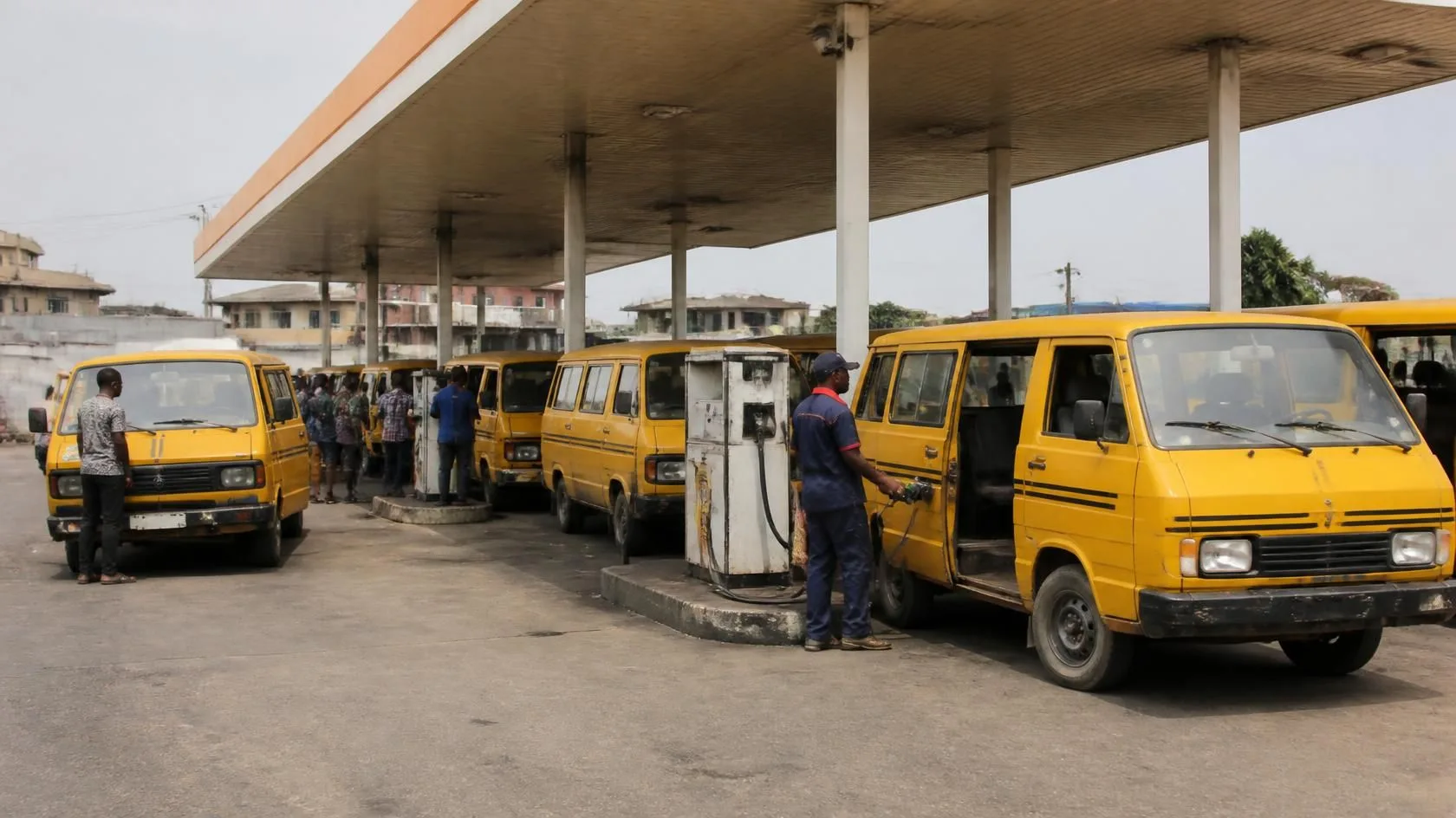
Petrol Depot Prices Hit ₦1,900 Despite NNPC Discount
Private depots pushed petrol prices to ₦1,900 per litre in parts of Nigeria, neutralizing the NNPC's 30-day fuel discount initiative.



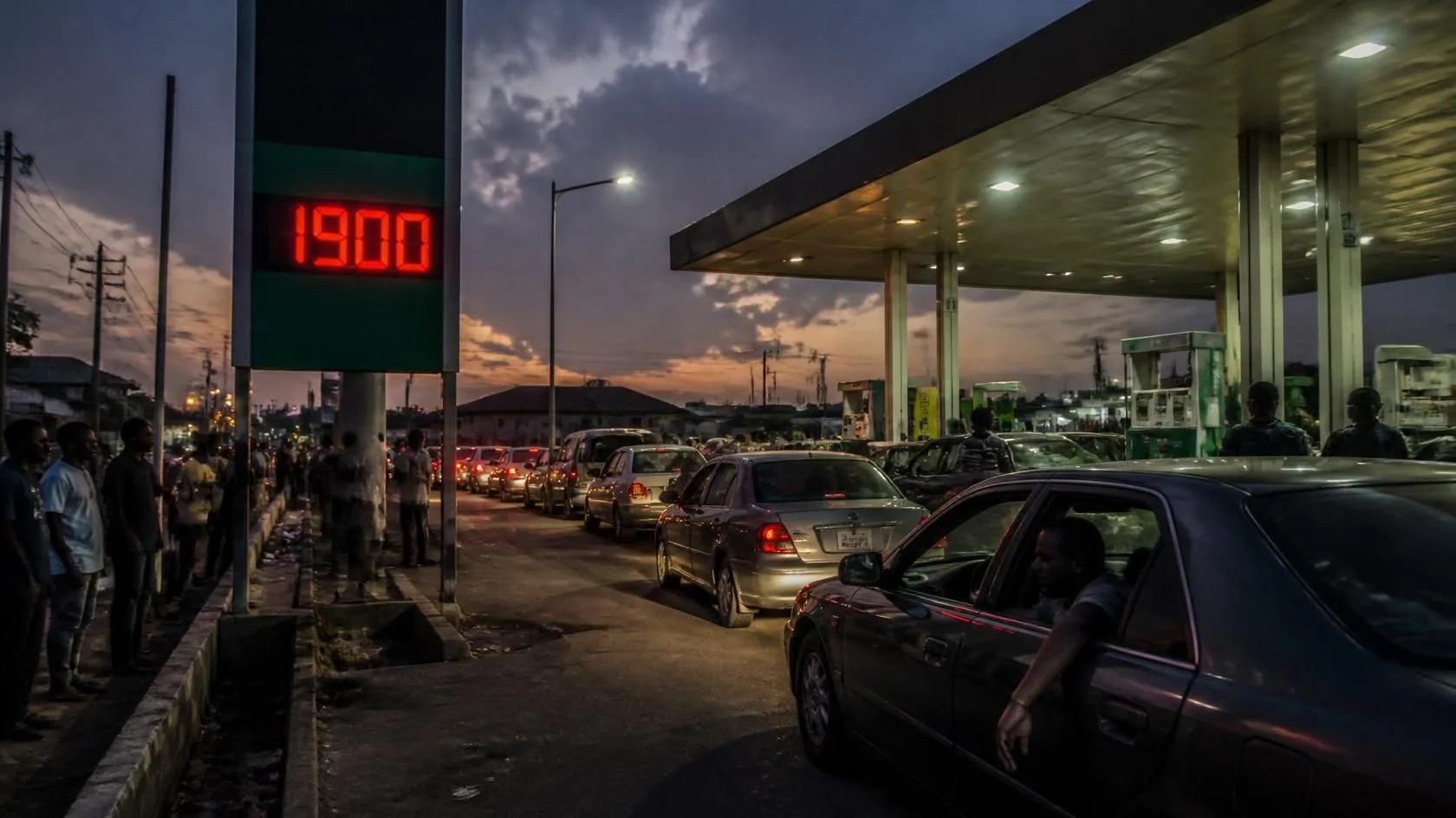
Nigerians hoped for a breather at the pumps this October. Instead, private petroleum depots pushed wholesale fuel prices to a staggering ₦1,900 per litre in parts of the country. This massive hike directly clashes with the 30-day petrol discount recently announced by the Nigerian National Petroleum Company Limited (NNPC).
The situation creates a frustrating paradox for motorists. The federal government rolled out the temporary relief plan to ease the cost of living. Yet, market realities on the ground tell a completely different story.
The NNPC Discount vs. Market Reality
The NNPC initiated a 30-day window offering reduced pump prices. Customers using the NNPC Fuel App and digital payments theoretically qualify for cheaper rates at participating stations. The company meant well. They wanted to provide a buffer against volatile global crude prices.
But private depot operators didn't play along. By Friday, October 9, depots in Port Harcourt and Warri jacked up their wholesale rates. When wholesale prices climb this high, independent marketers have no choice. They pass the burden directly to consumers. The intervention failed to establish a uniform price across the nation.
Regional Price Disparities
Fuel costs now depend heavily on your location. The gap between Lagos and the Niger Delta is wider than ever.
Location | Average Depot/Pump Price (Oct 2026) | Market Situation |
Lagos | ₦1,350 - ₦1,400 | NNPC and major marketers maintaining lower caps |
Port Harcourt & Warri | Up to ₦1,900 | Severe wholesale price spikes at private depots |
Northern Nigeria | ₦1,435+ | Supply chain logistics adding extra premiums |
It baffles many that fuel costs more in the oil-producing Niger Delta than in the commercial capital. We saw early signs of this volatility when petrol prices surged past 1,400 naira earlier this year. Now, the baseline has shifted even higher.
Economic Ripple Effects
You can't isolate fuel prices from the broader economy. High petrol and diesel costs immediately infect transport fares and manufacturing overheads. Businesses running on diesel generators face brutal operational costs. They will inevitably raise the prices of their goods.
Currency valuation complicates things further. Crude oil trades globally in dollars, with Brent crude recently rising past $104 per barrel. With the naira dipping heavily at the parallel market, importing refined petroleum remains brutally expensive. The NNPC claims this discount is a commercial decision, not a backdoor government subsidy. Critics argue the math simply doesn't add up without someone absorbing the financial hit.
What Motorists Should Expect
The 30-day relief arrangement ends on October 31, 2026. Unless supply chain bottlenecks ease, pump prices will likely climb further in November. Nigerians are watching closely to see if local refining can finally stabilize this chaos. With the Dangote Refinery IPO opening soon, citizens hope domestic production will eventually break the grip of private import depots.
For now, the NNPC discount remains a lottery. If you live near a compliant major marketer in Lagos, you might save a few naira. If you buy fuel in Port Harcourt, you'll pay a massive premium. The government must address these wholesale price gouging tactics. A discount on paper means nothing if the depots simply rewrite the rules.
Comments (0)
Keep exploring
Related posts
 News
NewsUS Targets Birth Tourism Facilitators with Visa Bans
 News
NewsCrypto Community Mourns 21-Year-Old Levi's Sudden Death
 News
NewsTerrorist Massacre in Plateau State: 54 Lives Lost
 News
News