
FG's 30-Day Petrol Discount: A Quick Fix or Real Relief?
The Federal Government announced a 30-day petrol discount at NNPC stations to help public transporters. We break down what this means for Nigerians.



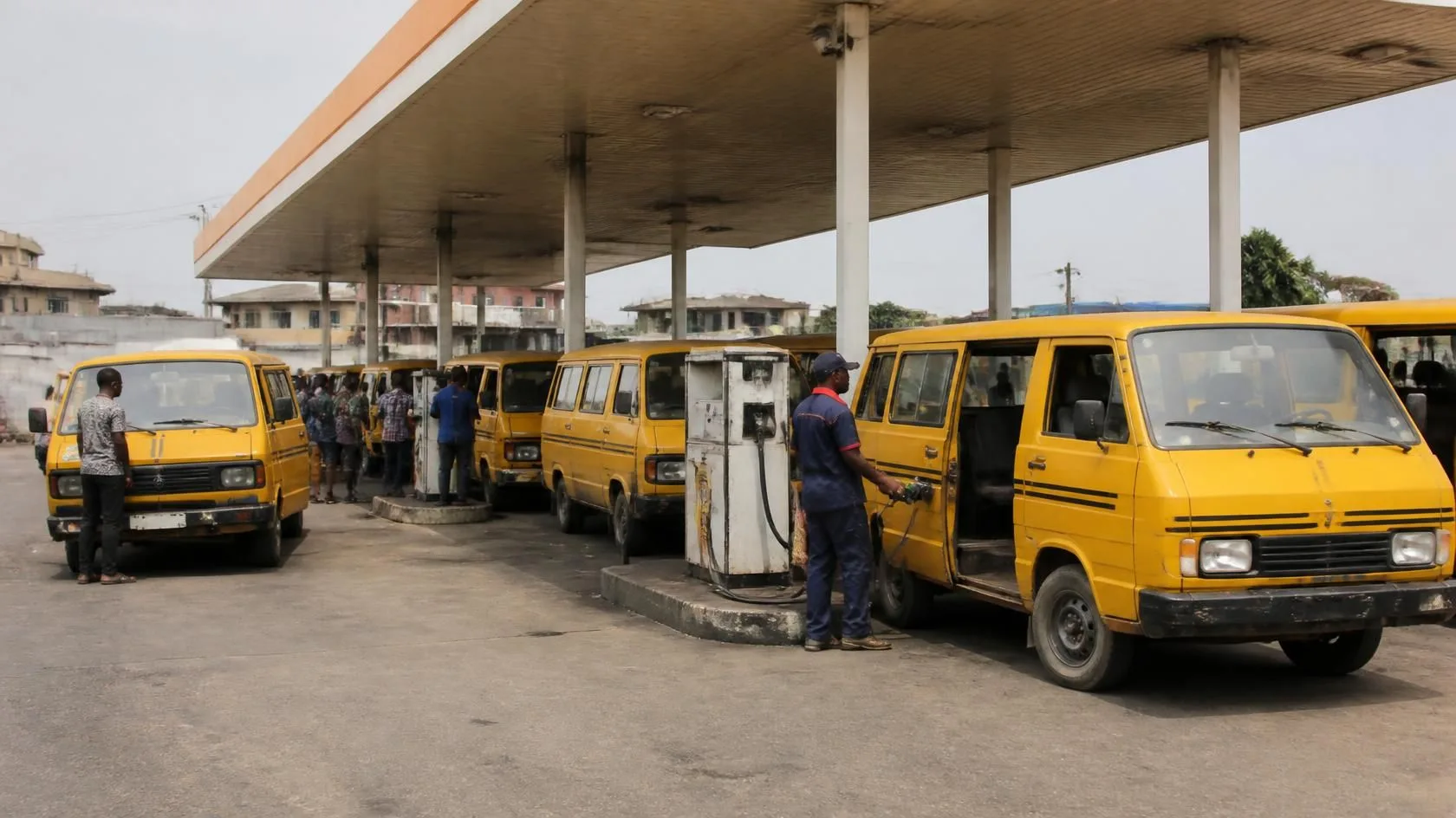
The recent jump in petrol prices left most Nigerians speechless. Just as drivers were adjusting to the reality of petrol prices surging past 1,400 Naira, the Federal Government announced a sudden pivot. They are now offering a 30-day discount on petrol dispensed through NNPC Limited retail outlets.
This move is generating intense debate. Is it a genuine relief effort, or just a temporary political band-aid?
Understanding the 30-Day Offer
Minister of Finance and Coordinating Minister of the Economy, Taiwo Oyedele, broke the news. According to his statement, NNPC will sell petrol at a discounted rate for one month. The directive heavily prioritizes public transport operators across the country.
The mechanics are relatively straightforward. The government negotiated a price ceiling of ₦1,350 per litre on the ex-gantry or landing cost. Oyedele insists this is not a return to the subsidy era. Instead, NNPC is essentially selling the product at cost and temporarily suspending its profit margins.
When the landing costs exceed this ₦1,350 mark, importers and refineries will carry the shortfall and recover it later. The government hopes this 30-day window will stabilize pump prices and prevent a total collapse of the transport sector.
The Backlash and Opposition
Not everyone is buying the government's explanation. The political opposition immediately criticized the policy. Representatives from Atiku Abubakar’s camp dismissed the discount as a "Greek gift" and a panic-driven media stunt.
Critics argue that a 30-day price freeze does nothing to address structural problems in Nigeria's oil sector. They point out that the initial removal of the fuel subsidy in 2023 was abrupt, and temporary discounts fail to cushion the long-term economic blow.
Citizens are also skeptical. If you visit any NNPC Limited station right now, you usually face massive queues. Giving priority to commercial buses and taxis sounds great on paper. In reality, managing those dedicated lines without chaos or extortion is a massive logistical nightmare.
Economic Pressures Keep Mounting
We have to look at the broader economy to understand why this discount happened now. The cost of living is suffocating average families. Food inflation is tied directly to haulage and transport costs. When commercial drivers pay astronomical amounts for fuel, the price of yams and rice skyrockets.
Currency struggles compound the fuel crisis. With the Naira dipping to 1,382 against the dollar, importing refined petroleum remains incredibly expensive. A 30-day discount provides a brief breathing room. Commercial drivers can save a little money and pass some savings down to daily commuters. Yet, 30 days pass quickly.
The federal government claims it is investing in a national strategic fuel reserve. They plan to release refined products into the market when hoarding or supply shocks threaten price stability. This reserve system needs to become operational fast.
Nigerians cannot build businesses or household budgets around monthly price fluctuations. We need permanent solutions, stable local refining, and transparent pricing models that extend far beyond a quick 30-day fix.
Comments (0)
Keep exploring
Related posts
 News
NewsEFCC's Crackdown on Corrupt Clerics & The Pastor Tobi Saga
 News
NewsUS Targets Birth Tourism Facilitators with Visa Bans
 News
NewsCrypto Community Mourns 21-Year-Old Levi's Sudden Death
 News
News