Mentorship: Nigeria's Fashion Industry Missing Link
Discover why mentorship is crucial for emerging Nigerian fashion designers to bridge the gap between raw talent and commercial business success.



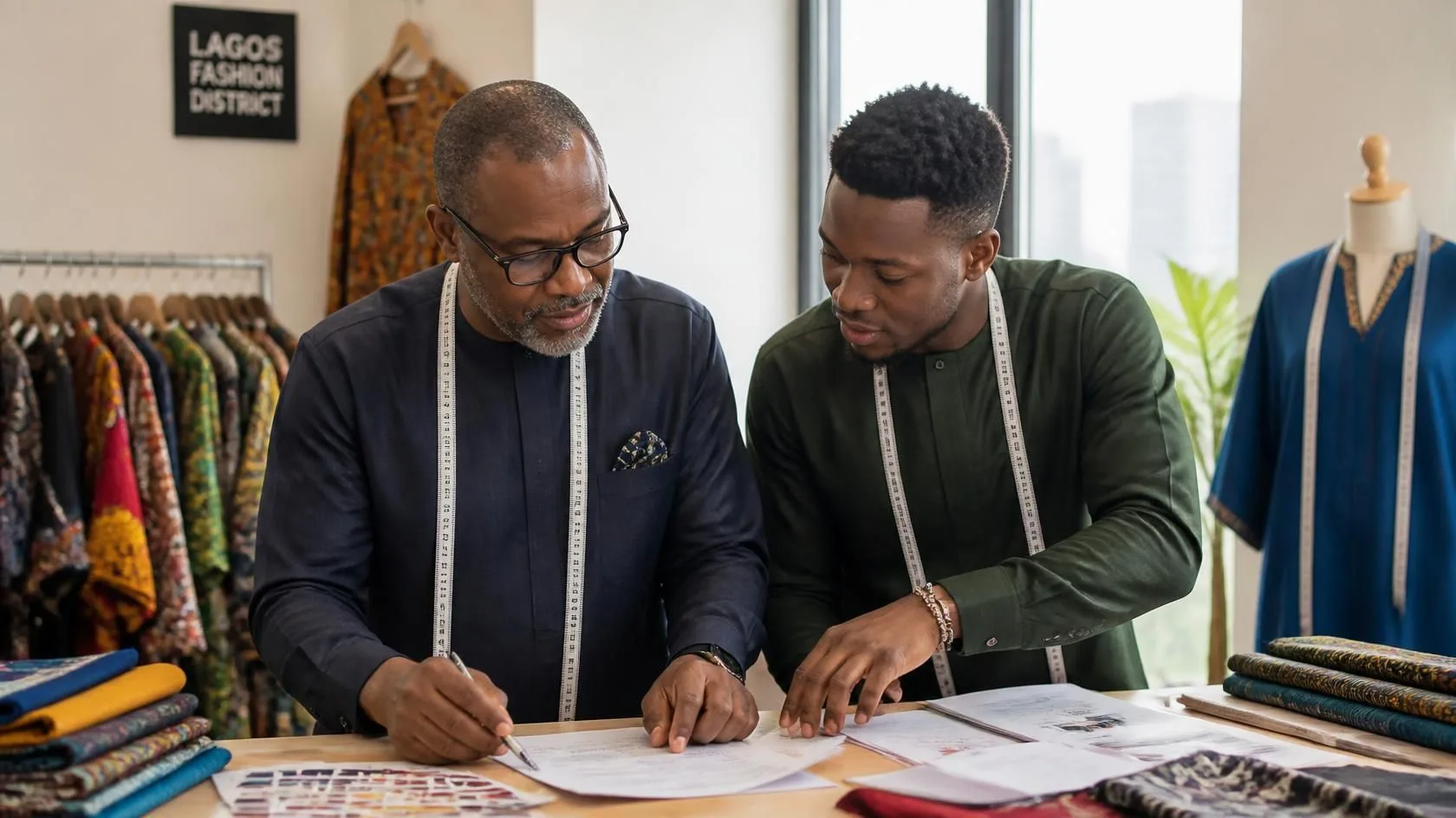
Nigeria's fashion scene is globally recognized for its bold aesthetics and cultural richness. You see the vibrant prints and innovative cuts on international runways and in major music videos. Yet, behind the glamour, a quiet crisis exists. Many local fashion labels do not survive their first five years.
The problem isn't a lack of creativity. The Nigeria fashion industry is overflowing with raw talent. The real issue is a severe gap in business acumen. Building a sustainable fashion brand requires more than just designing beautiful clothes. It demands a deep understanding of supply chains, pricing structures, and retail strategy.
This is where mentorship steps in. Industry veterans and structured programs are now stepping up to bridge the divide between creative passion and commercial reality.
The Gap Between Talent and the Fashion Business
Most emerging designers Nigeria produces start their brands driven entirely by creative passion. They know how to draft stunning patterns. They understand color theory and fabric manipulation. But running a fashion house is a grueling commercial enterprise.
You need working capital. You have to manage unreliable power supplies and negotiate with textile suppliers. You must hire and retain skilled tailors. Without proper guidance, talented creatives quickly burn through their initial funding.
They often underprice their garments because they fail to calculate overhead costs. They might miss crucial wholesale deadlines because they don't understand the international fashion calendar. Talent gets you noticed, but business systems keep you open.
A seasoned mentor has already made these expensive mistakes. They can look at a young designer's business model and immediately spot the leaks. They teach the vital principles of the fashion business Nigeria needs to scale its local brands.
How Mentorship Drives Commercialisation
Mentorship fundamentally changes how a designer approaches their brand. It shifts the focus from purely making art to building a scalable product. The impact on commercialization is immediate and measurable.
Here is a breakdown of how mentorship transforms a fashion brand's operations:
Area of Operation | Without Mentorship | With Mentorship |
|---|---|---|
Pricing Strategy | Guessing based on competitor prices. | Calculating exact cost-per-wear and profit margins. |
Production Run | Making single custom pieces slowly. | Standardizing sizing for ready-to-wear collections. |
Buyer Relations | Sending unstructured Instagram DMs. | Presenting professional line sheets and lookbooks. |
Fabric Sourcing | Buying expensive retail yardage locally. | Connecting with wholesale mills for bulk discounts. |
Mentors force emerging designers to answer hard questions. Who is your target customer? What is your customer acquisition cost? Are your production costs eating your profit margins?
When designers can answer these questions, they become attractive to investors and international buyers. They move from being local tailors to running viable enterprises. This business-first approach is essential for the broader African fashion industry to compete on a global scale.
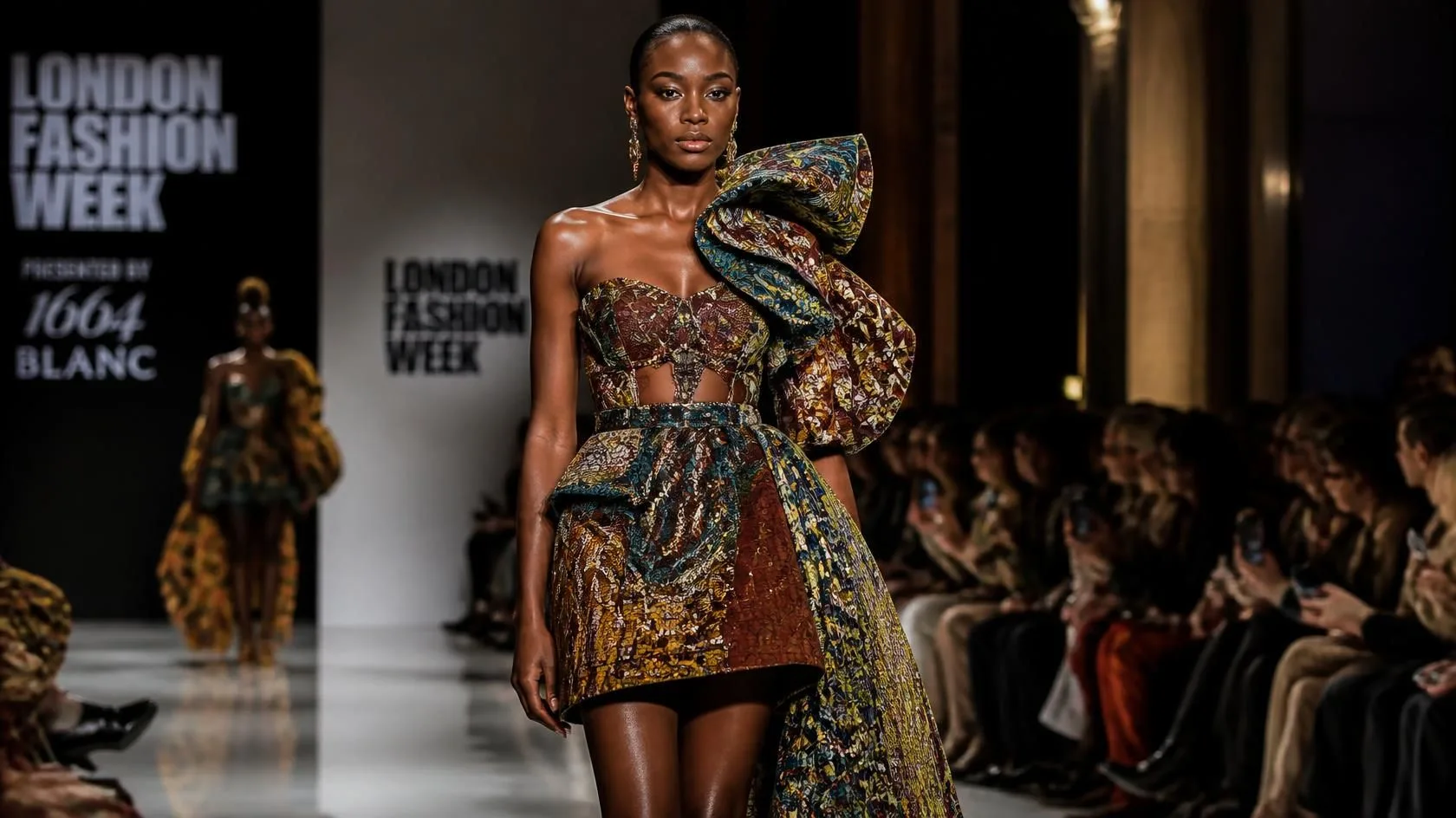
While established names are already proving their worth globally, like Nigerian designer Adedayo Ilori at African Fashion Week London, getting to that international stage requires rigorous, behind-the-scenes business training.
Programmes Leading the Charge in Nigeria
Thankfully, the industry is recognizing this need. Several structured initiatives now prioritize business education and mentorship over mere runway exposure.
Lagos Fashion Week and Fashion Focus Africa
Lagos Fashion Week has evolved far beyond a seasonal event. It now functions as a crucial incubator for talent. The organizers understand that a runway show is useless if the designer cannot fulfill the orders it generates.
Through initiatives like Fashion Focus Africa, they provide a year-long incubation program. This isn't just about critique on garment construction. It involves intensive workshops on retail strategy, financial auditing, and brand positioning. Young designers are paired with established industry figures who guide them through the realities of the market.
British Council Interventions
The British Council has also been instrumental in shaping the local creative economy. They frequently run enterprise programs tailored for creative entrepreneurs. These initiatives often include cross-cultural exchanges, allowing Nigerian fashion designers to learn from retail experts in the UK.
They focus on the mechanics of exporting garments, understanding international sizing standards, and protecting intellectual property. This kind of knowledge is incredibly difficult to acquire independently.
Regional and Local Showcases
Mentorship is also spreading beyond Lagos. As the capital gears up for events like Nigeria Fashion Week 2026 in Abuja, the emphasis is shifting nationwide. These regional platforms are increasingly incorporating masterclasses and panel discussions into their schedules. They connect established veterans with fresh talent from across the country.
What Emerging Designers Actually Need
If the Nigeria fashion industry is going to maximize its potential, the culture of mentorship must deepen. Emerging designers need specific, actionable support.
Financial Literacy: Understanding cash flow, balance sheets, and how to secure loans without crippling interest rates.
Supply Chain Logistics: Knowing how to source quality hardware and fabrics consistently despite import restrictions.
Quality Control: Standardizing finishes and stitching so a size medium is identical every single time.
Digital Marketing ROI: Moving beyond simply getting likes on social media to actually driving trackable e-commerce sales.
A talented designer with a brilliant collection can still fail if their website crashes or their payment gateway fails during a product launch. Mentors provide the operational blueprint to prevent these disasters.
Sustaining the Future of Nigerian Fashion
The path forward requires a collective effort. Established designers who have navigated the murky waters of local production need to pull the next generation up. The knowledge gap is the only thing standing between local talent and global market dominance.
When you look at the brands that survive past a decade, you usually find a strong mentor working quietly in the background. They provide the tough love, the industry contacts, and the strategic foresight that turns a good eye for style into a profitable empire.
Mentorship isn't just a nice addition to the fashion ecosystem. It is the fundamental infrastructure required to sustain it.
What specific business skill do you think young Nigerian creatives struggle with the most today?
Comments (0)
Keep exploring
Related posts
 Fashion
Chinese Retail Stores Bring Affordable Clothing to Nigeria
 Fashion
Nigerian Designer Adedayo Ilori to Showcase at African Fashion Week London
 Fashion
Glamgirl by Sefiya Unveils Bold Cinematic Couture
 Fashion