Chinese Retail Stores Bring Affordable Clothing to Nigeria
Chinese mega-stores like Sinomart are disrupting the Nigerian fashion market. Discover why shoppers love the affordable clothing and why local traders are worried.


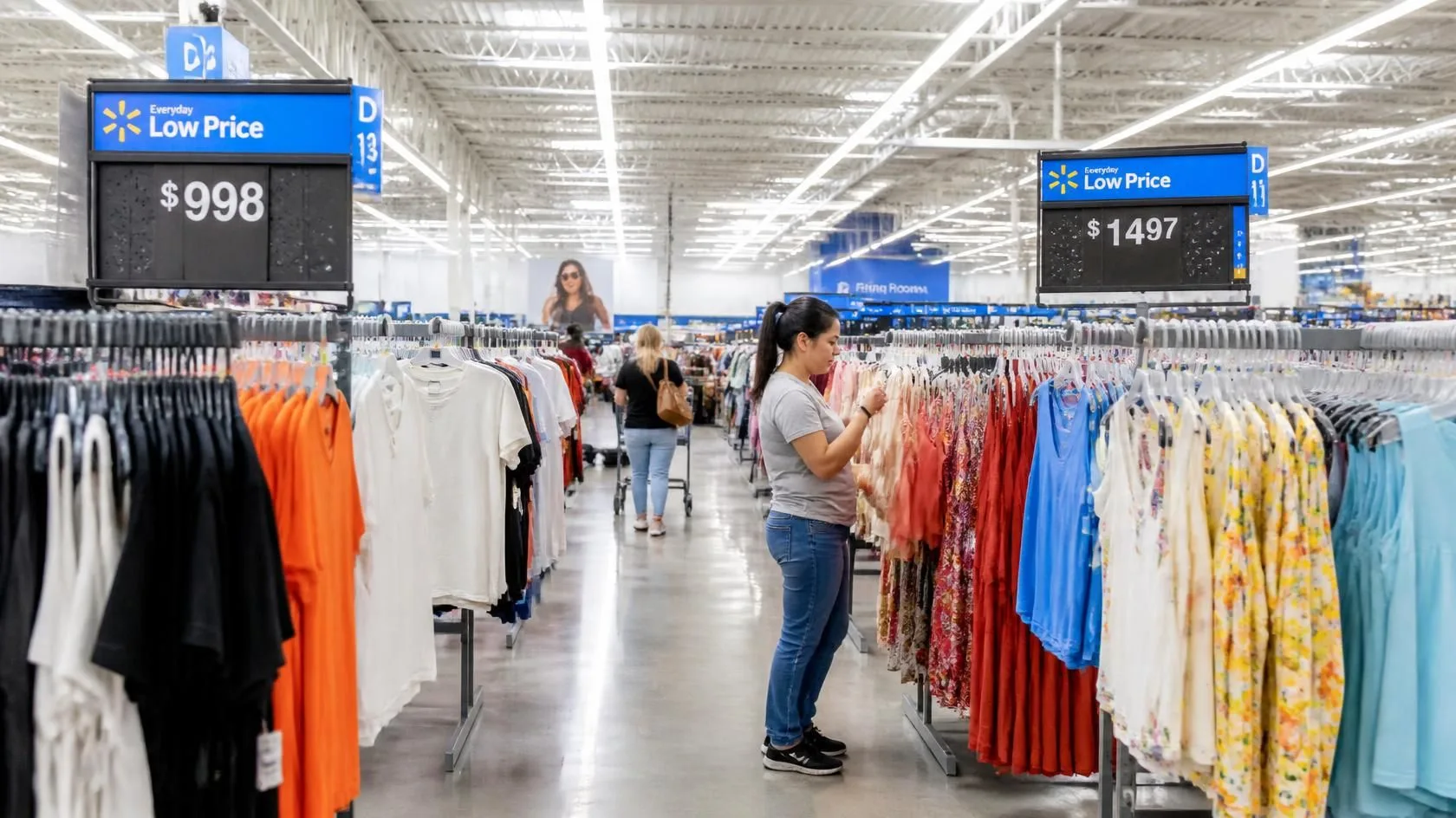
The Nigerian retail scene is changing fast. If you walked into the Palms Mall in Lekki recently, you probably noticed the massive crowd at Sinomart. This Chinese retail giant opened its doors and completely disrupted how Lagosians shop for affordable fashion.
Many shoppers are already calling it the physical version of Temu or AliExpress. You walk in for basic groceries, but you leave with five trendy t-shirts and a pair of sneakers. The clothing section is huge, well-organized, and surprisingly cheap.
For years, Nigerians relied heavily on online platforms to get budget-friendly Chinese fashion. We waited weeks for deliveries. Sometimes the clothes didn't even fit. Now, these brands are setting up physical shops right in our backyards. Sinomart even recently expanded to Ibadan. This proves it isn't just a Lagos trend.
This shift brings mixed reactions. Consumers are absolutely thrilled. High inflation has made imported European or American brands completely unaffordable for the average worker. Finding a decent dress or a sharp casual shirt for a fraction of the usual mall price feels like a massive win. You can revamp your wardrobe without emptying your bank account.
But local traders are getting nervous. Markets like Balogun and Trade Fair have always been the go-to hubs for cheap imported clothes. Now, they face direct competition from well-lit, air-conditioned mega-stores. A recent Nairaland discussion highlighted this exact fear. Small business owners worry these Chinese retail giants will eventually push them out of the market.
Despite these concerns, the convenience is hard to beat. These stores offer a one-stop shopping experience that matches global retail standards. They provide fresh variety, decent quality, and prices that actually reflect the current economic reality.
This trend also poses a challenge to local creators. If Chinese imports become even cheaper and more accessible, Nigerian designers must find new ways to stand out. We need a stronger push to support home-grown talent. Bridging the gap through mentorship in the Nigerian fashion industry is a crucial missing link right now. Local brands have to focus on unique African aesthetics because they simply cannot compete on price alone.
Ultimately, affordable clothing is a necessity. As the cost of living bites harder, shoppers will always follow the best bargains. Chinese retail stores are simply answering that demand.
Here is a quick look at how these new retail giants compare to traditional shopping hubs:
Feature | Chinese Mega-Stores (e.g., Sinomart) | Traditional Markets (e.g., Balogun) |
Pricing | Fixed, highly affordable | Negotiable, varies by seller |
Environment | Air-conditioned, organized shelves | Crowded, outdoor, chaotic |
Product Variety | Broad (clothing, tech, groceries) | Highly specialized by zone |
Try-on Options | Fitting rooms usually available | Rare, often guess-and-buy |
Whether you love them or hate them, these stores are here to stay. They understand the assignment. They give the people what they want, at a price they can actually pay.
Comments (0)
Keep exploring
Related posts
 Fashion
Nigerian Designer Adedayo Ilori to Showcase at African Fashion Week London
 Fashion
Glamgirl by Sefiya Unveils Bold Cinematic Couture
 Fashion
Nigerian Artist Crochets Functional QR Code Bible Sweater
 Fashion