Nigeria Fashion Week 2026: Abuja's Global Style Bid
Nigeria Fashion Week 2026 hits Abuja this October. Discover how the event plans to turn local fashion into a global creative economy powerhouse.



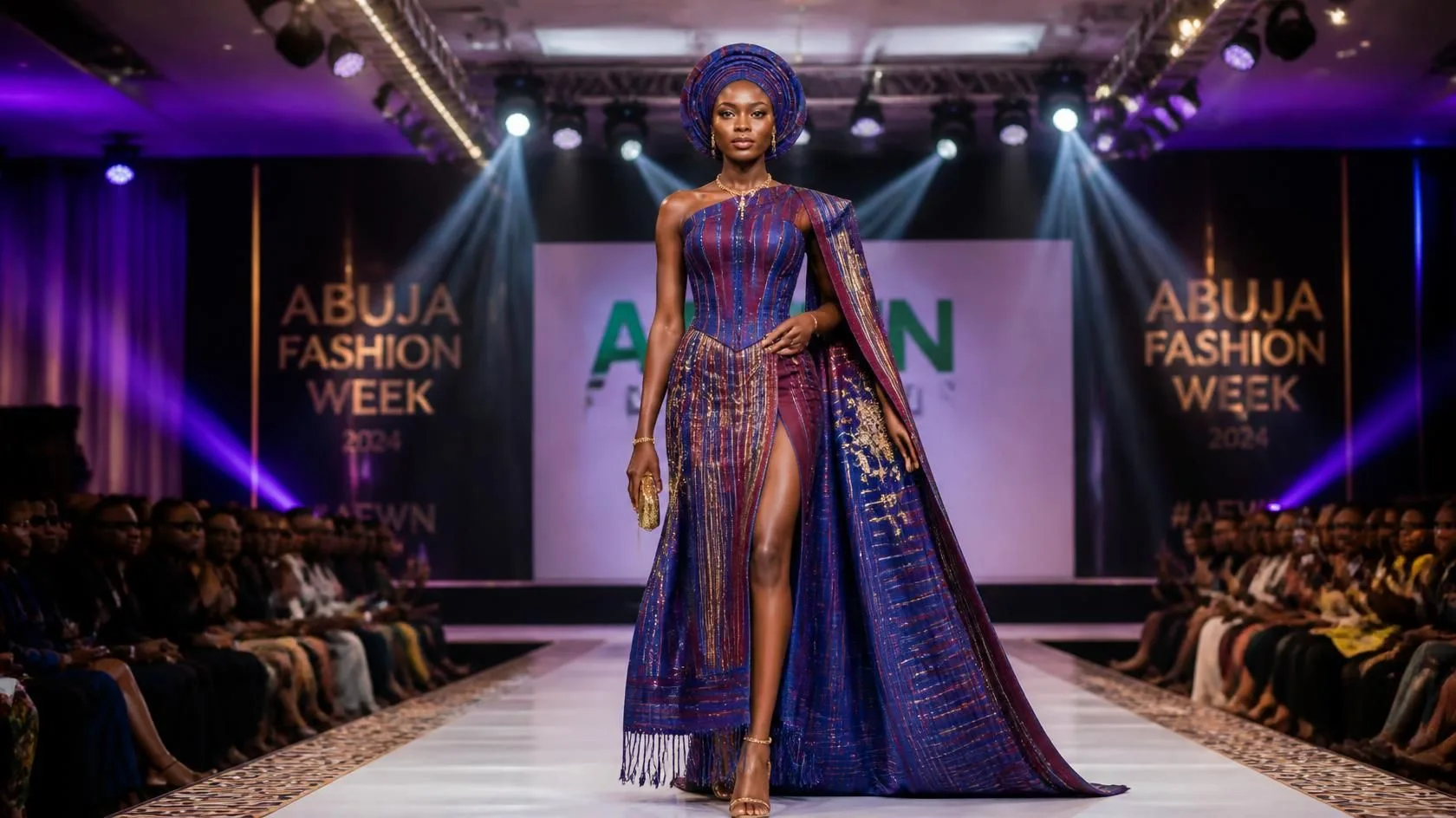
The runway is shifting. For years, Paris, Milan, and New York dictated global style. Now, the spotlight is aggressively panning towards West Africa.
Nigeria Fashion Week 2026 kicks off from October 2 to 4 in Abuja. But anyone expecting just another parade of pretty garments is missing the bigger picture. This event is a calculated power move. Organisers are positioning it as a launchpad for global fashion and creative-economy leadership. It bridges raw talent with hard trade, offering a masterclass in how culture scales.
Redefining Nigerian Fashion on a Global Scale
African fashion is no longer a niche curiosity. It commands prime global retail space. Nigerian designers are dressing international pop stars, securing major stockists, and winning heavy-hitting industry awards.
Nigeria Fashion Week 2026 aims to consolidate this momentum. The goal is simple. Keep the creative control and the financial benefits local while exporting the finished product global. We are seeing a distinct shift from exporting raw inspiration to exporting finished, premium brands.
You will see this clearly in the buyer strategy. The event heavily targets international retailers. By bringing global buyers directly to Abuja, the organizers cut out the middlemen. This gives local creators direct access to international markets and better profit margins.
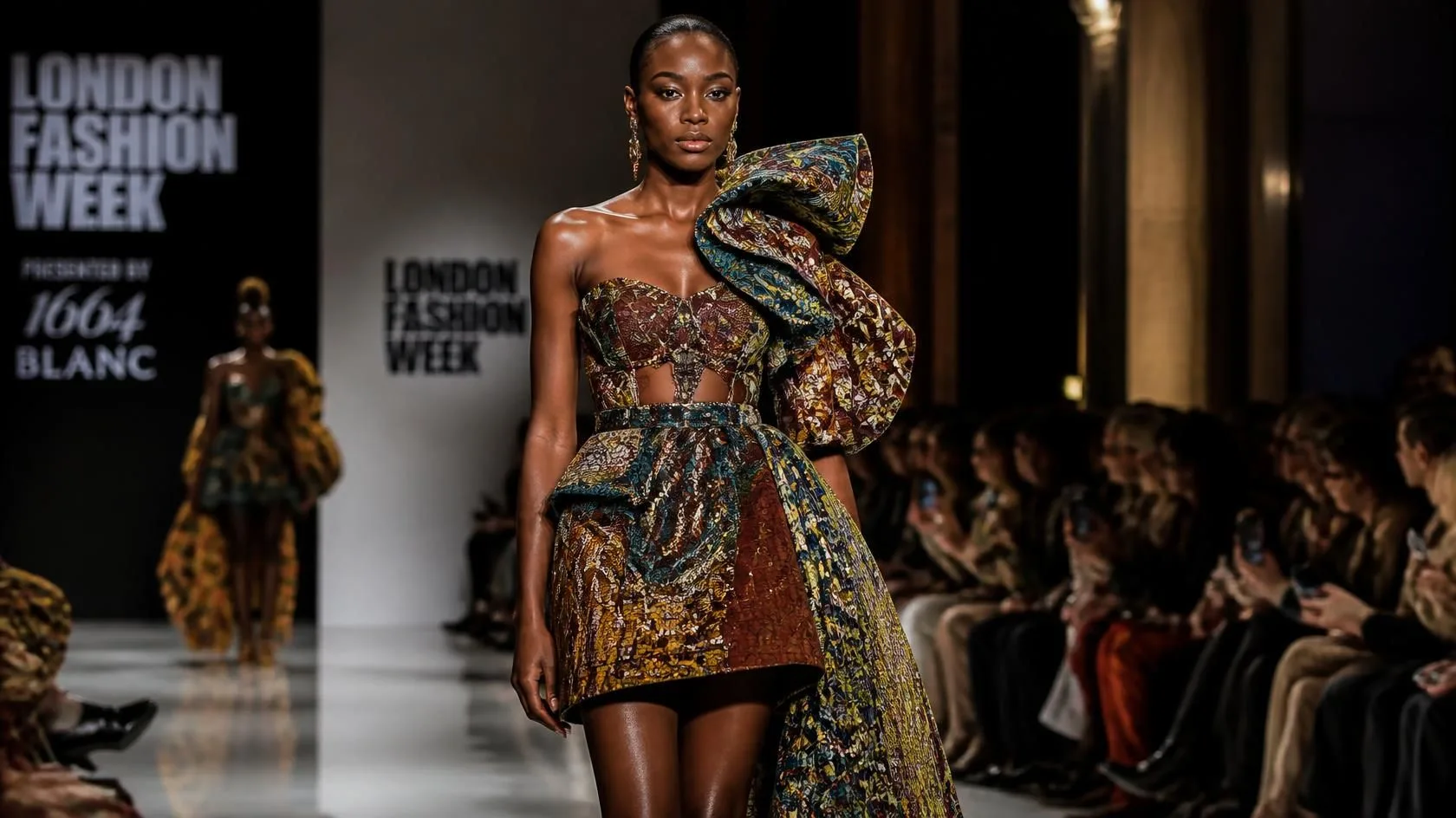
The appetite for our aesthetics abroad is undeniable. Nigerian designer Adedayo Ilori recently made waves at African Fashion Week London, proving the massive commercial viability of local talent. This aligns perfectly with ongoing efforts seen at Africa Fashion Week London, an organization that has long championed African creatives on the European stage.
The Engine of the Nigerian Creative Economy
Fashion does not exist in a vacuum. It requires weavers, tailors, photographers, makeup artists, and logistics experts. This interconnected web forms the backbone of the Nigerian creative economy.
Abuja's October event puts this entire ecosystem on display. A single runway collection can employ dozens of artisans. Multiply that by 50 designers, and the economic impact becomes obvious.
Organisers have baked trade and commerce into the event's DNA. Masterclasses and B2B networking sessions will run alongside the glamorous evening shows. It is about building bankable businesses. A designer might have a viral aesthetic, but can they fulfill an order for 5,000 units from a European department store? The event provides the infrastructure and knowledge sharing to make that happen.
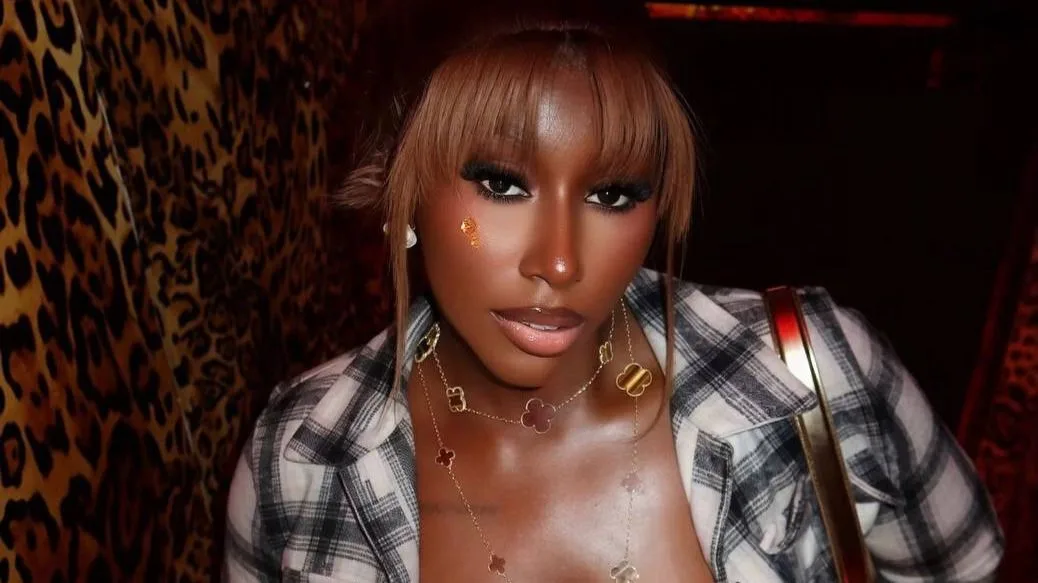
We also cannot ignore the crossover between industries. Global music stars are the ultimate billboards for Nigerian fashion. Consider Ayra Starr's recent Billboard debut and NFL London halftime show. When our music travels, our fashion travels with it. The creative economy moves as one unified front.
Pushing Sustainable Fashion in Nigeria
Global fashion has a massive waste problem. The industry is under immense pressure to clean up its act. Here, Nigerian fashion holds a unique, historical advantage.
Sustainable fashion Nigeria is not a new corporate buzzword. It is a generational practice. Traditional dyeing techniques like Adire use natural elements. Handwoven textiles like Aso Oke are built to last decades, not just a single fleeting season.
The 2026 event will heavily highlight these indigenous, zero-waste practices. Designers are actively repurposing deadstock fabrics and prioritizing ethical labor. They are showing the world that luxury does not have to equal environmental destruction.
We expect to see dedicated showcases focusing entirely on upcycled and ethically sourced collections. This answers a direct demand from conscious global consumers. They want to know exactly who made their clothes, how they were made, and what impact they had on the earth.
Tackling Supply Chain and Logistics
Let's talk about the hard stuff. Creativity has never been Nigeria's problem. Infrastructure is the bottleneck. How do you move textiles from Kano to a workshop in Lagos, and then ship the finished garments to a boutique in London?
This is where the trade aspect of the week shines. The event includes dedicated panels addressing supply chain logistics. By bringing in policymakers, customs officials, and tech innovators, the fashion week seeks to solve these practical nightmares.
They want to make exporting as seamless as creating. If the logistics fail, the global takeover stalls. Addressing this head-on shows a level of maturity that previous fashion events often lacked.
What to Expect: Abuja Fashion Week Schedule
The choice of the capital is deliberate. Abuja offers world-class venues, high security, and a structured layout perfect for international delegates. Calling it an Abuja Fashion Week experience elevates the city’s status as a cultural hub. It pulls focus slightly away from the traditional Lagos dominance, showing the breadth of the country's capacity.
The three-day schedule is tightly packed and deeply intentional.
Date | Focus Area | Key Activities |
October 2 | Culture & Heritage | Opening gala, traditional textile exhibitions, local artisan workshops. |
October 3 | The Business of Fashion | Trade fairs, B2B meetings, supply chain panels, emerging designer runway. |
October 4 | Global Future | Sustainable fashion showcases, international buyer negotiations, closing runway. |
Reclaiming the Narrative
For too long, outside voices defined African art and style. International luxury houses routinely "borrowed" African prints and silhouettes without crediting the source.
Events like this completely change the power dynamic. When the platform is locally owned, the narrative remains authentic. The Guardian recently noted that Nigeria Fashion Week 2026 targets the global spotlight, but it is crucial that it does so on its own terms.
It forces the global fashion elite to come to Nigeria. They must experience the culture firsthand, eat the food, and meet the creators in their own studios. This builds mutual respect instead of simple extraction.
Looking Ahead to October
The impact of this three-day event will ripple outward for years. By focusing on the intersection of culture, trade, and sustainability, the organizers are building a durable blueprint for the future.
Designers will secure vital funding. Artisans will get fair wages. The world will get fresh, undeniable talent that breaks the monotony of European fashion weeks.
Nigeria Fashion Week 2026 is ready to prove a point. The future of global style is being sketched, stitched, and styled right here in West Africa. The world just needs to pay attention.
Comments (0)
Keep exploring
Related posts
 Fashion
Chinese Retail Stores Bring Affordable Clothing to Nigeria
 Fashion
Nigerian Designer Adedayo Ilori to Showcase at African Fashion Week London
 Fashion
Glamgirl by Sefiya Unveils Bold Cinematic Couture
 Fashion