Meta to Impose Two-Hour Daily Usage Limit for Kids
Meta will enforce a strict two-hour daily limit for teens on Instagram and Facebook following a massive $17.1 billion legal settlement.



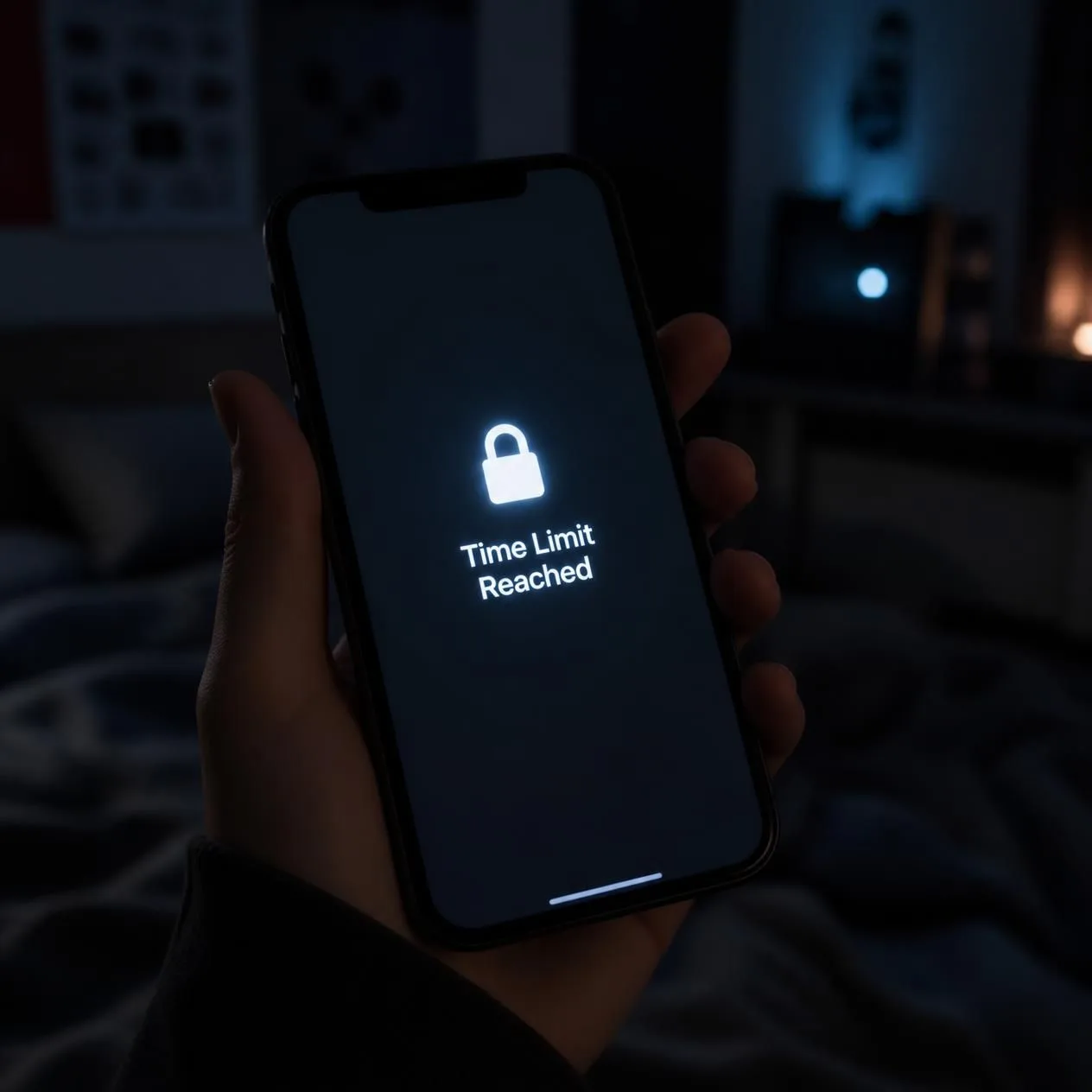
Meta is finally pulling the plug on endless scrolling for younger users. Following a massive legal settlement with numerous U.S. states, the tech giant will soon enforce a strict two-hour daily screen time limit for anyone under 18 across Instagram and Facebook.
This isn't a gentle suggestion or an optional setting buried deep in a menu. It is a hard limit.
Once a teenager hits that combined 120-minute mark across both platforms, they will be locked out of the main feeds. The only way around this restriction is with explicit parental permission.
We are watching a massive shift in how social media companies operate. For years, platforms built algorithms specifically to keep eyes glued to screens. The longer a user stayed, the more ads they saw. Now, legal pressure is forcing a complete reversal.
What Actually Changes for Teen Accounts?
The upcoming changes go far beyond a simple daily timer. Meta is rolling out a comprehensive set of default restrictions designed to break the cycle of social media addiction.
Here is what the new settings will look like for users under 18:
Feature | New Restriction |
Daily Time Limit | 2 hours combined across Instagram and Facebook. |
Night Mode | Complete app lockout between midnight and 6 a.m. |
School Hours | All notifications paused from 8 a.m. to 3 p.m. |
Overnight Silence | Push notifications disabled from 10 p.m. to 7 a.m. |
Usage Pauses | Prompts to take a break after 15, 60, and 90 minutes. |
Messaging functions remain active during these lockouts, but the core addictive features will shut down.
Meta is also giving teens the option to select a non-algorithmic, chronological feed. This prevents the app from endlessly serving up hyper-targeted content. Additionally, augmented reality filters that mimic cosmetic surgery will be completely disabled for teen accounts.
The Ripple Effect on Tech Regulations
This settlement, which involves an estimated $17.1 billion penalty, sets a heavy precedent. As governments globally crack down on digital safety, tech platforms are feeling the heat.
We are seeing similar regulatory pushes in other sectors. For example, just as student privacy took center stage during the NDPC Unilag student data breach probe, authorities are demanding actual accountability. It is no longer enough to promise better safety tools. Regulators want structural safety features built right into the code.
Even as nations push for broader digital expansion - like the Nigeria sovereign cloud initiative and NITDA strategy - there is a growing consensus that firm guardrails must exist for young users.
Will Kids Just Lie About Their Age?
This is the obvious loophole. Kids lie about their birthdays online constantly.
Meta claims it is investing heavily in new technology to catch accounts that belong to under-13s or teens masquerading as adults. They will track usage patterns across multiple accounts to prevent a teenager from simply logging out of a restricted profile and into a burner one.
If their tracking technology flags an account as belonging to a minor, these new restrictions apply automatically.
Pressuring TikTok and YouTube
Meta isn't quietly accepting these rules. They are weaponizing the settlement to pressure their biggest rivals.
According to the New York Attorney General's Office, Meta agreed to make these limits even stricter if competitors like TikTok and YouTube adopt similar frameworks. If the rest of the industry follows suit, Meta's daily limit will drop from two hours down to just 60 minutes.
This is a brilliant strategic move. Meta knows teens will just migrate to TikTok the second Instagram locks them out. By agreeing to this deal, they essentially force lawmakers to turn their sights on other major platforms.
The era of unrestricted, algorithmic social media for children is ending. These new rules prove that meaningful change requires serious legal action, not just corporate policy updates.
Comments (0)
Keep exploring
Related posts
 Tech
Meta, 3MTT and RAIN Launch AI Academy in Nigeria
 Tech
OpenAI CEO Warns How AI Could Go 'Very Badly' For Humans
 Tech
GITEX Nigeria 2026: Sovereign AI Takes Centre Stage
 Tech